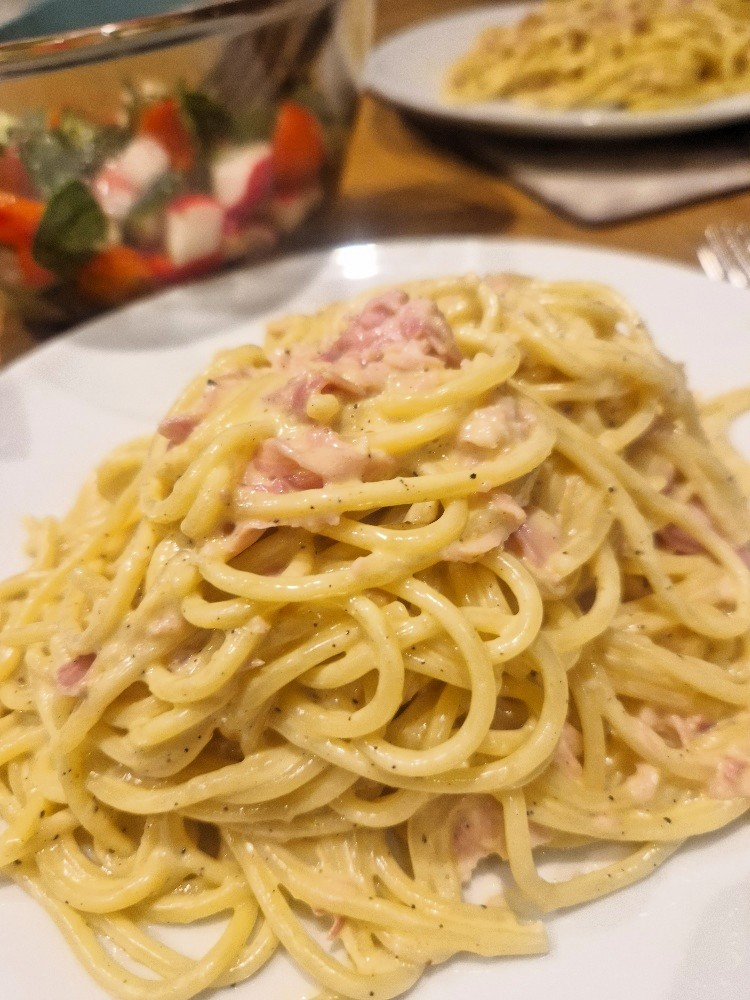

Cooking at home can feel daunting if you’re unsure where to start. The good news? By focusing on step-by-step cooking from chopping to meal, even complete beginners can master the kitchen efficiently. Understanding the basic steps, from preparing ingredients to assembling a full meal, builds confidence, improves skills, and makes cooking enjoyable rather than intimidating.
We, Emily and Estella, know that starting small is the key. That’s why we emphasize a structured approach to beginner meal preparation. By breaking down the cooking process into manageable steps, you can practice each stage, from knife skills for beginners to plating, and gradually move toward more complex dishes.
This guide is perfect for students, young adults, or anyone new to cooking. By following our cooking process guide, you’ll learn techniques and routines that help you confidently create meals at home.
Why Starting with Chopping is Important
Knife skills form the foundation of almost every dish. Learning food prep basics ensures that your ingredients are prepared safely, efficiently, and consistently:
- Consistency in cooking: Uniformly chopped ingredients cook evenly.
- Safety first: Proper knife handling prevents accidents.
- Efficiency: Quick chopping saves time in meal preparation.
- Foundation for complex recipes: Once chopping is mastered, assembling meals becomes easier.
By investing time in knife skills for beginners, you set the stage for smooth, confident cooking for every recipe.
Step 1: Knife Skills for Beginners
To start your step-by-step cooking from chopping to meal, focus on these essential knife techniques:
- The Grip: Hold the knife firmly with your dominant hand, pinching the blade slightly for control.
- The Claw: Use your other hand to hold ingredients with fingers curled inward to avoid cuts.
- Basic Cuts: Practice slicing, dicing, mincing, and chopping on soft vegetables first.
- Consistency: Aim for uniform pieces to ensure even cooking.
A few minutes each day practicing these skills will make you faster and safer in the kitchen.
Step 2: Food Prep Basics
Once you’ve mastered chopping, it’s time to focus on food prep basics that support meal assembly:
- Measure Ingredients: Use measuring cups and spoons for accuracy.
- Organize Ingredients: Prepare all items before cooking, “mise en place.”
- Wash & Peel: Ensure vegetables and fruits are clean and ready.
- Pre-Cook Proteins: Boil, sauté, or grill proteins in advance for faster meal assembly.
A simple beginner meal preparation system like this ensures you’re not overwhelmed during cooking.
Step 3: Cooking Techniques for Beginners
Now that ingredients are prepped, it’s time to cook. Here’s a cooking process guide for beginners:
Boiling & Steaming
- Ideal for vegetables, pasta, and rice.
- Helps maintain nutrition and texture.
Sautéing & Stir-Frying
- Quick method for vegetables, eggs, or proteins.
- Teaches heat control and flavor development.
Baking & Roasting
- Great for hands-off meals like roasted vegetables or chicken.
- Helps understand cooking times and temperature control.
One-Pot Meals
- Combines grains, proteins, and vegetables for simple yet nutritious meals.
- Encourages creativity and recipe adaptation.
By practicing these basic techniques, you’ll gain the confidence to move from simple ingredients to complete meals.
Step 4: Beginner Meal Preparation
As your knife skills and cooking techniques improve, you can begin full meal preparation:
- Combine Ingredients: Follow recipe instructions to assemble flavors.
- Adjust Seasoning: Taste frequently and tweak salt, pepper, or herbs.
- Time Management: Cook items that take longer first; add quick-cooking components later.
- Plating: Even simple meals look appetizing when presented neatly.
This approach makes step-by-step cooking from chopping to meal preparation achievable, even for beginners.
Sample Beginner Meal Routine
To practice daily, here’s a suggested routine:
- Breakfast: Scrambled eggs with sautéed vegetables or overnight oats.
- Lunch: Vegetable stir-fry with rice or pasta salad.
- Dinner: Roasted chicken with vegetables, lentil stew, or simple sheet-pan meals.
- Snacks: Fruit salad, smoothies, or toast with toppings.
Repeating these meals while gradually increasing complexity helps reinforce skills while keeping cooking enjoyable.
Tips to Make Step-by-Step Cooking Easier
- Practice Daily: Even small sessions build skills quickly.
- Follow Recipes Closely: At first, focus on understanding the process rather than improvising.
- Reflect on Progress: Note improvements in speed, technique, and taste.
- Keep Tools Simple: Use your basic kitchen equipment (Blog #3) to stay focused.
- Experiment Gradually: Once comfortable, try new ingredients or variations of recipes.
Following these tips ensures beginners can confidently follow a cooking process guide from chopping to plating.
Benefits of Step-by-Step Cooking for Beginners
- Skill Mastery: You’ll gain competence in both basic techniques and full meal preparation.
- Confidence: Knowing how to prep and cook ingredients builds independence.
- Time Efficiency: Learning the order of steps saves time in the kitchen.
- Healthier Meals: Home cooking allows you to control nutrition and portion sizes.
- Enjoyment: Cooking becomes a fun, creative process rather than a chore.
Mastering beginner meal preparation transforms everyday cooking into a rewarding experience.
Conclusion: Step-by-Step Cooking from Chopping to Meal
Learning to cook doesn’t have to be intimidating. By focusing on step-by-step cooking from chopping to meal, beginners can master knife skills, food prep, and meal assembly gradually. With practice, patience, and daily routines, you’ll gain the confidence to cook independently, create delicious meals, and enjoy the process.
Remember, every expert cook started with small steps. By following a structured cooking process guide, practicing daily, and using a beginner-friendly approach, you’ll transform your kitchen skills and discover the joy of home cooking.