
Cooking at home doesn’t require a fancy kitchen or expensive gadgets. If you want to learn to cook with basic kitchen equipment, all you need is a few essential tools and a clear plan. With these, beginners can start preparing delicious meals, build confidence, and enjoy the satisfaction of home-cooked food every day.
We, Emily and Estella, know that starting in the kitchen can feel intimidating. That’s why we focus on making cooking accessible, fun, and achievable with a beginner cooking setup. By learning with the right tools and a simple approach, you’ll develop skills that last a lifetime without breaking the bank.
Whether you’re a student, teen, or young adult starting your culinary journey, this starter kitchen guide will help you understand which tools are essential, how to use them effectively, and how to practice daily to build your skills.
Why Basic Kitchen Equipment is Enough to Start Cooking
Many beginners feel they need professional-grade gadgets to cook well, but that isn’t true. Here’s why a home cooking tools approach works:
- Focus on skills, not gadgets: Understanding techniques is more important than owning expensive equipment.
- Saves money: You can practice and cook effectively with minimal investment.
- Reduces clutter: A simple kitchen setup makes cooking less intimidating.
- Encourages creativity: Fewer tools encourage improvisation and skill-building.
By choosing the right essential kitchen tools list, you’ll be able to prepare a wide range of dishes and learn to cook step by step with basic kitchen equipment.
Essential Kitchen Tools for Beginners
Here’s a curated essential kitchen tools list that every beginner needs:
- Chef’s knife: Versatile and crucial for chopping, slicing, and dicing.
- Cutting board: Protects surfaces and ensures safe cutting.
- Saucepan: Perfect for boiling, steaming, or making sauces.
- Frying pan/skillet: Ideal for sautéing, stir-frying, or frying eggs.
- Measuring cups and spoons: Accuracy is key for baking and cooking.
- Mixing bowls: Useful for combining ingredients or marinating.
- Wooden spoon and spatula: For stirring without scratching pans.
- Baking tray: For roasting vegetables or baking simple dishes.
- Colander: Drains pasta, rice, and washed vegetables.
- Peeler and can opener: Time-saving basic tools.
With these simple items, you can start almost any recipe and practice a beginner cooking setup effectively.
How to Use Your Starter Kitchen Setup
A starter kitchen guide helps beginners use basic tools efficiently:
- Chef’s knife: Practice chopping evenly, starting with soft vegetables like tomatoes and peppers.
- Saucepan & frying pan: Begin with boiling pasta or sautéing vegetables to understand heat control.
- Measuring tools: Follow recipes carefully at first, then experiment with adjustments.
- Mixing bowls: Combine wet and dry ingredients separately before cooking for better results.
- Wooden spoons & spatulas: Use them to stir sauces, scramble eggs, or toss salads without damaging cookware.
By mastering these tools, you’ll see how much you can learn to cook with basic kitchen equipment without needing anything fancy.
Building a Beginner Cooking Routine at Home
To become comfortable with your home cooking tools, a daily routine is helpful. Here’s a beginner-friendly approach:
- Daily Practice: Cook at least one meal a day, even if it’s just breakfast or a snack.
- Skill Focus: Each day, concentrate on one technique (chopping, boiling, sautéing).
- Recipe Repetition: Repeat simple recipes until you feel confident with each step.
- Note-taking: Write down tips, timings, and personal adjustments for each dish.
- Weekly Reflection: Review progress and plan new skills to learn next week.
A structured approach like this allows beginners to learn step by step, improving steadily without frustration.
Beginner-Friendly Recipes Using Basic Equipment
You can practice effectively with just basic kitchen tools. Here are some ideas:
- Breakfast: Scrambled eggs, overnight oats, or avocado toast.
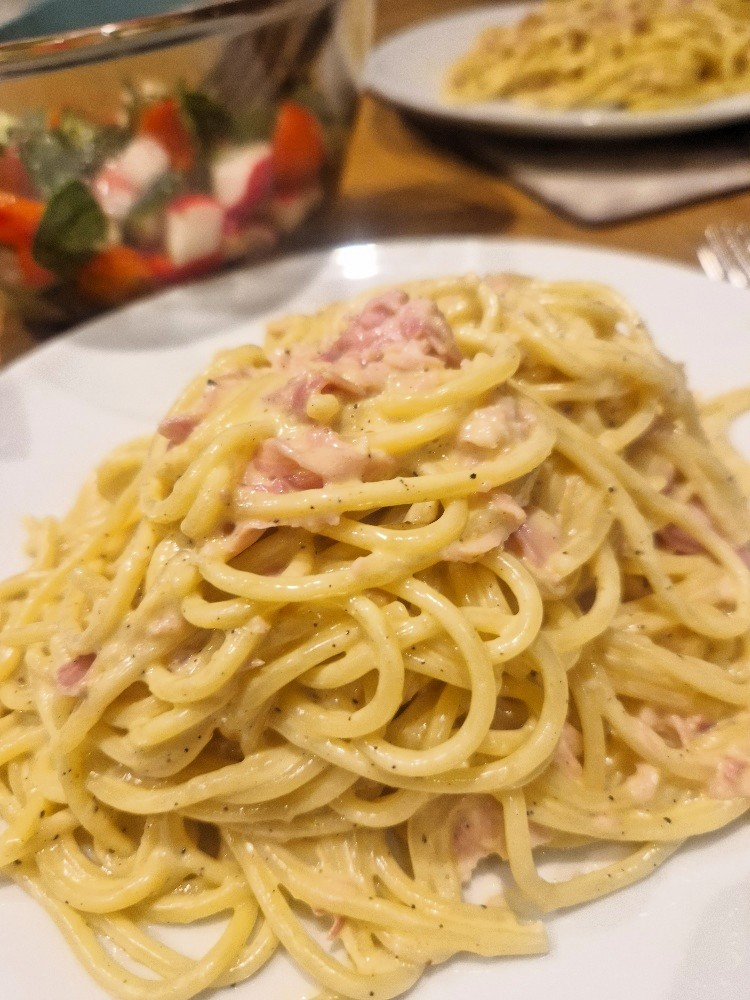
- Lunch: Simple sandwiches, pasta with tomato sauce, or veggie stir-fry.
- Dinner: Baked chicken with roasted vegetables, one-pot chili, or lentil soup.
- Snacks: Fruit salad, smoothies, or simple baked muffins.
These meals are easy to prepare and teach fundamental cooking techniques while keeping your beginner cooking setup simple.
Tips for Cooking with Basic Kitchen Equipment
- Start simple: Don’t overwhelm yourself with complex recipes.
- Clean as you go: Keeps your workspace organized and efficient.
- Use multi-purpose tools: For example, a saucepan can boil pasta, cook grains, or make soups.
- Practice knife safety: Focus on proper grip and cutting techniques.
- Experiment gradually: Adjust spices and flavors once you’re comfortable with the basics.
Following these tips ensures that even a small set of tools is enough to practice daily and learn to cook step by step with basic kitchen equipment.
Benefits of Learning to Cook with Basic Kitchen Equipment
- Confidence: Using the tools effectively gives beginners the courage to try new recipes.
- Independence: You won’t rely on takeout or pre-made meals.
- Skill Building: Core cooking techniques can be mastered without gadgets.
- Flexibility: You can cook anywhere, even with limited space or budget.
- Creativity: Minimal tools encourage innovation and problem-solving in cooking.
Even with a simple beginner cooking setup, you can prepare meals for yourself, friends, or family while developing lifelong culinary skills.
Conclusion: Learn to Cook with Basic Kitchen Equipment
Starting in the kitchen doesn’t need fancy gadgets. With a starter kitchen guide and a few essential tools, anyone can learn to cook with basic kitchen equipment. By practicing daily, focusing on techniques, and using simple recipes, beginners can build confidence, develop independence, and create delicious meals at home.
Remember, cooking is about practice, patience, and enjoyment. Even with a minimal setup, you can achieve incredible results; all it takes is a clear plan, a willingness to try, and the guidance of a beginner-friendly home cooking guide.