


Skills you will learn in this recipe
Skinning sausages & frying sausagemeat; making a slow-cooked, well-reduced pasta sauce.
Links to the last recipe
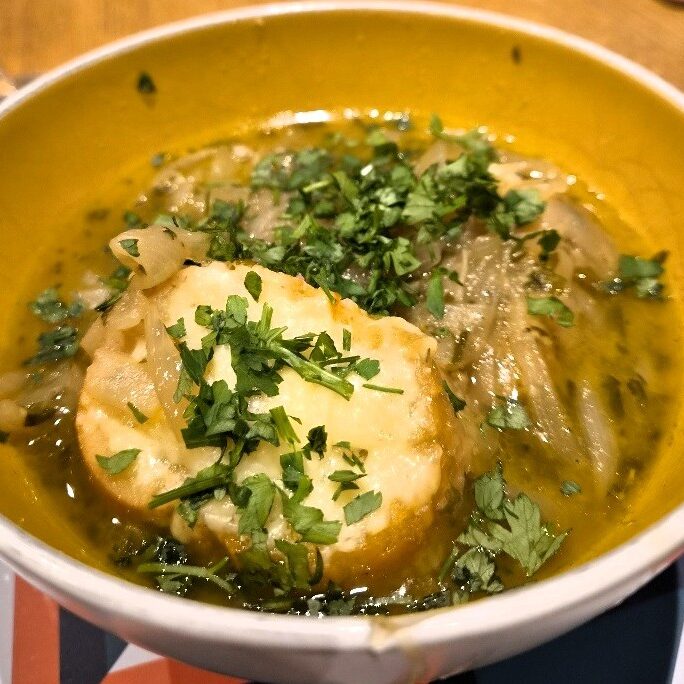
Making a tomato-based sauce; flavouring with fennel.
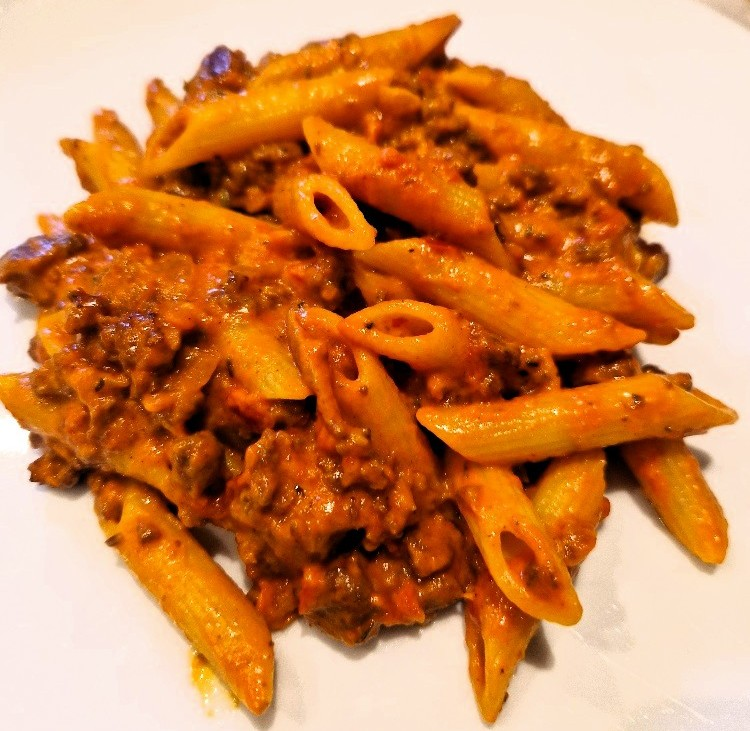
We make several versions of sausage pasta, but this one is the clear favourite! It’s the sort of dish that if you don’t know what you fancy for dinner, you can suggest this and get a resounding ‘yes!’
We make some sausage pastas that are quite quick to cook, and often cream-based. But this one is slow cooked in red wine & tomato, with just a little cream added at the end. We flavour it with chilli flakes, bay, fennel & nutmeg, and you can make it as spicy or as subtle as you like (we like it medium spicy). The key is the long, slow cook. It makes for a pasta sauce that is very rich, but also full of flavour and very delicious. We challenge you to not have second helpings!
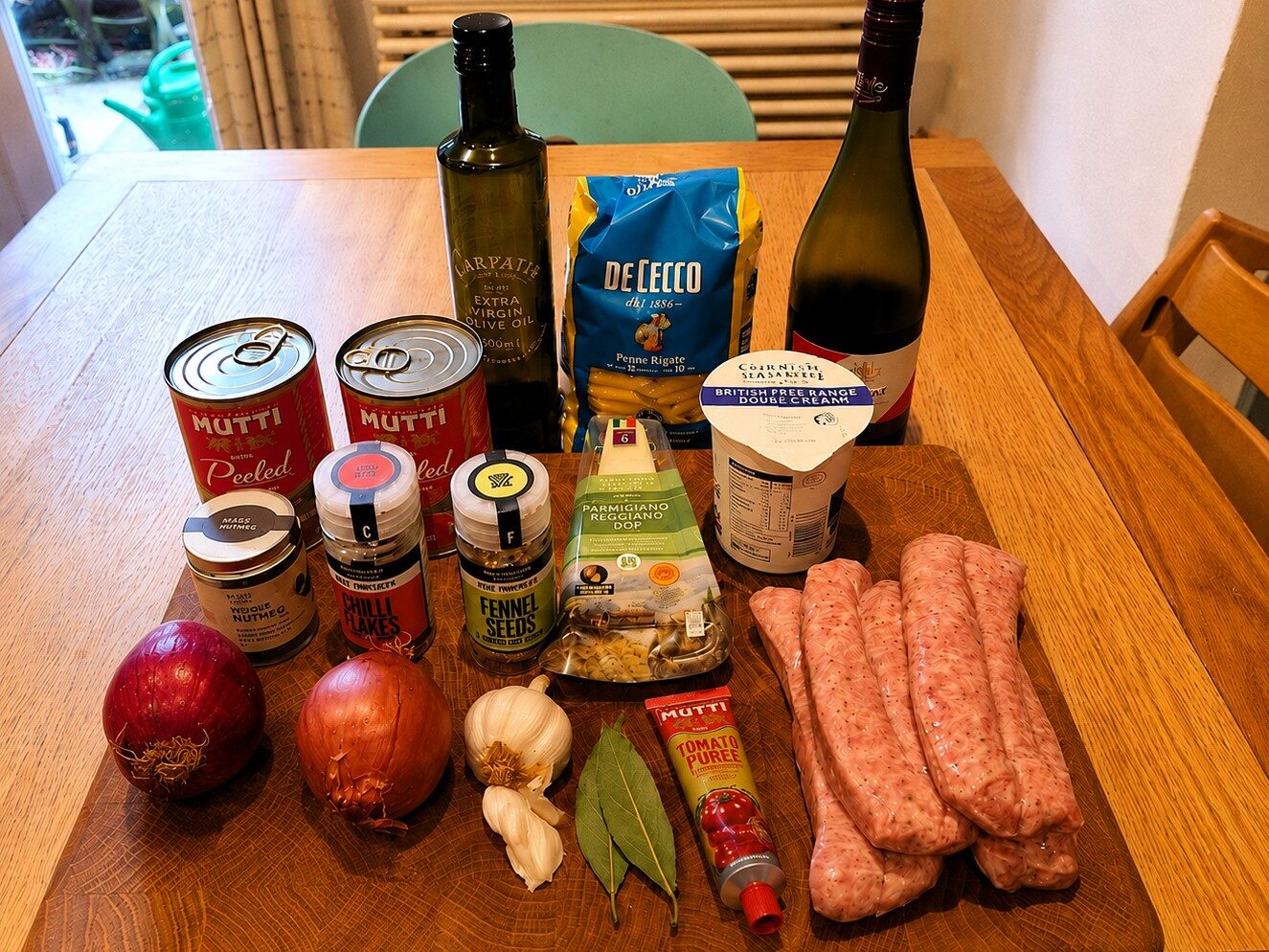
You can use any sausages in this dish; we like fairly plain but meaty ones. Today we had some Cumberlands.
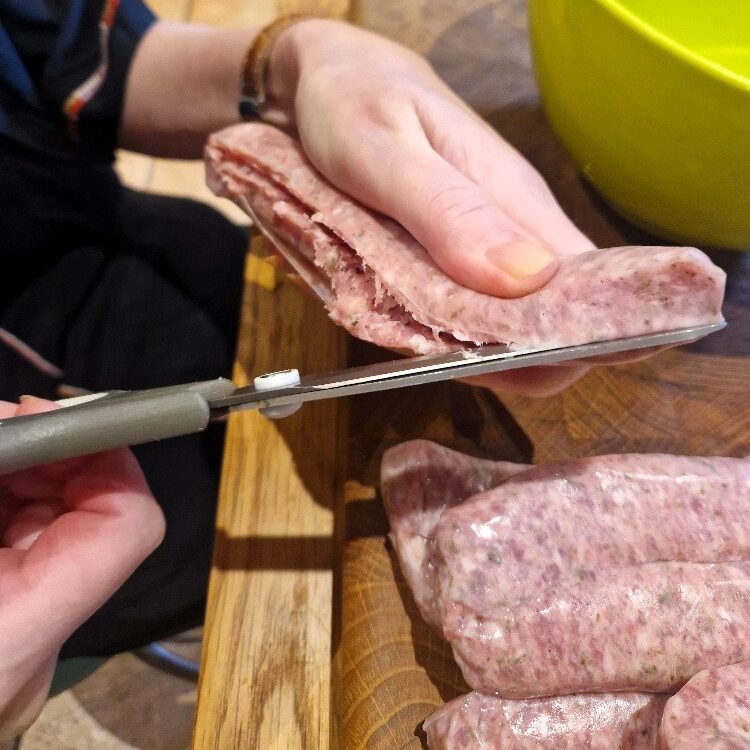
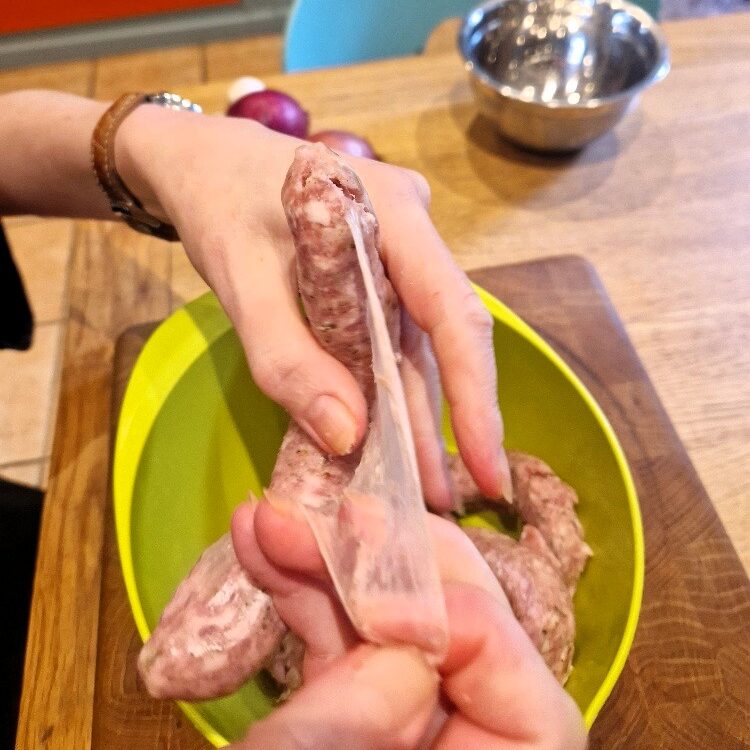
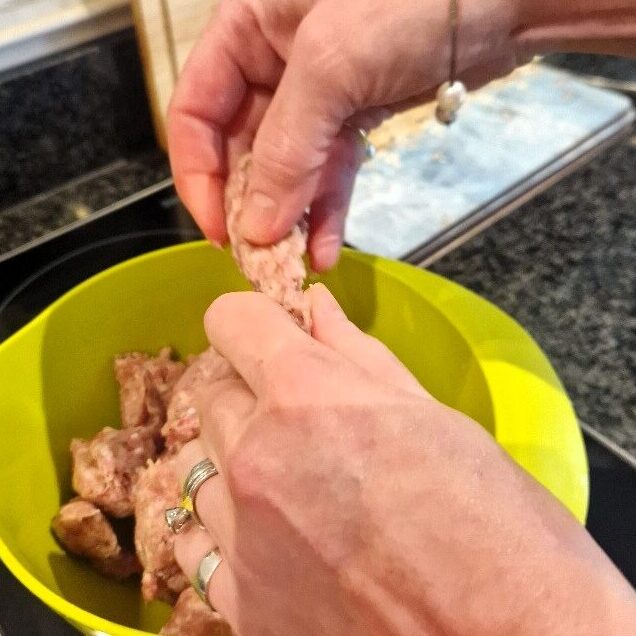
Start by removing the sausagemeat from the skins. Cut down the sausage through the skin with scissors and peel the skin off. Break the sausagemeat up a little into bite-sized chunks. You need about 6 to 8 sausages, depending on size, to serve about 4 to 6 people.
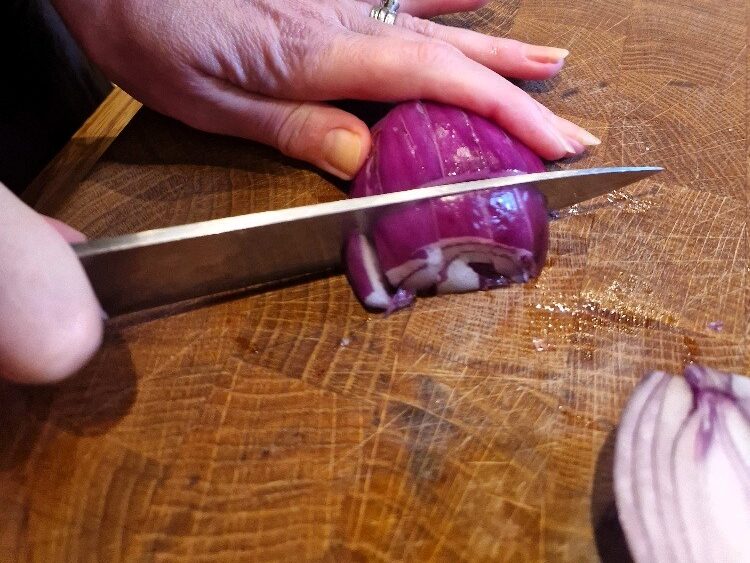
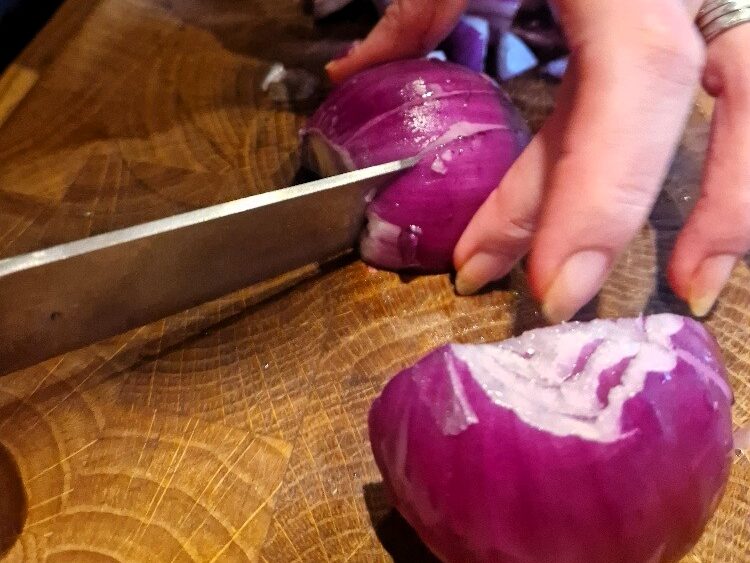
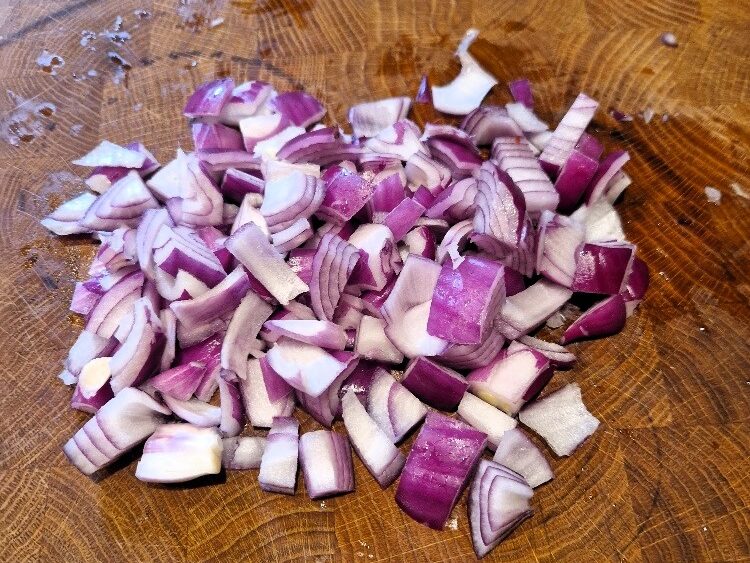
Next chop one or two onions, depending on size, into medium pieces. See our onion Tip. We usually use red onions in this sausage pasta, but any onions you have will do.
Also chop the garlic. See our garlic Tip. You can use as much or as little as you prefer. Today we used 3 cloves.
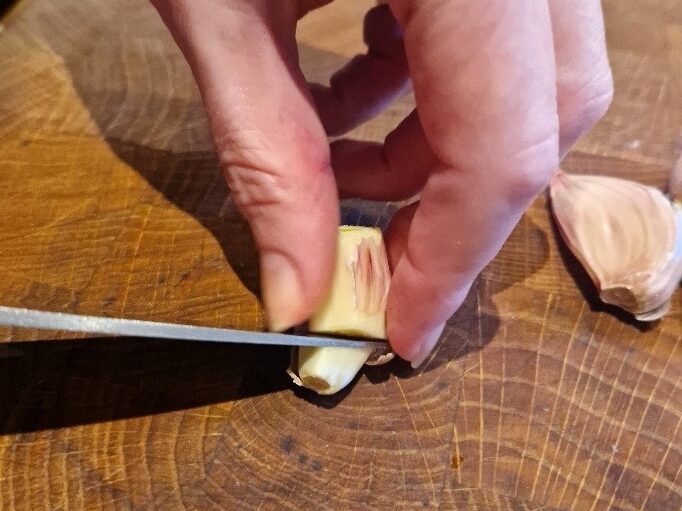
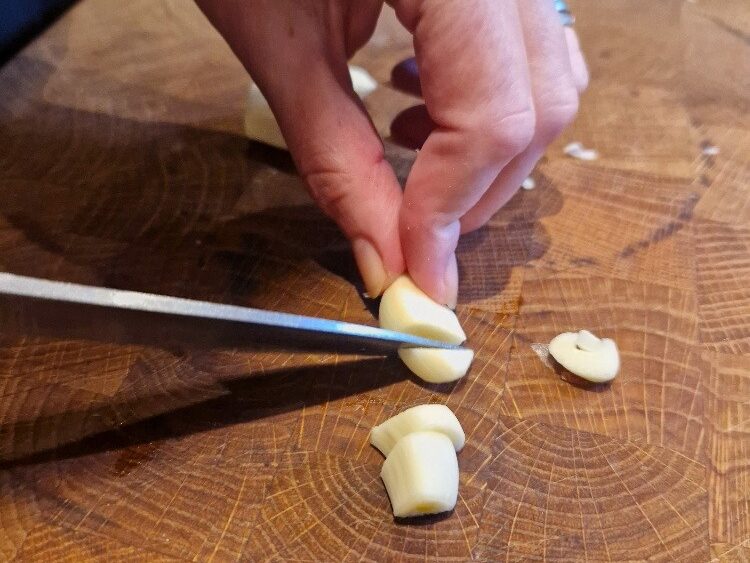
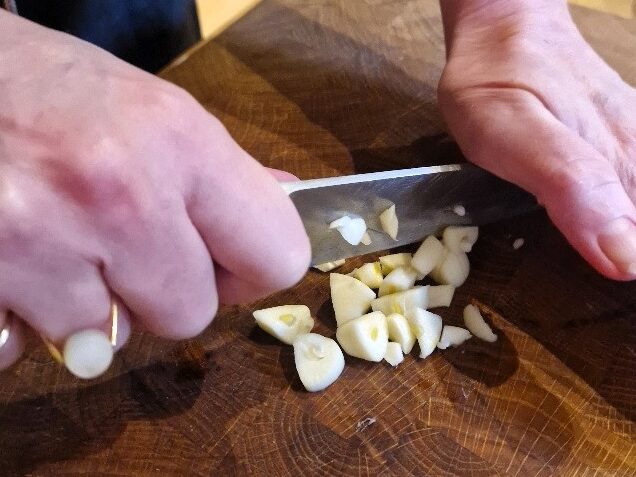
This is your preparation pretty much done! We said it was an easy sauce.
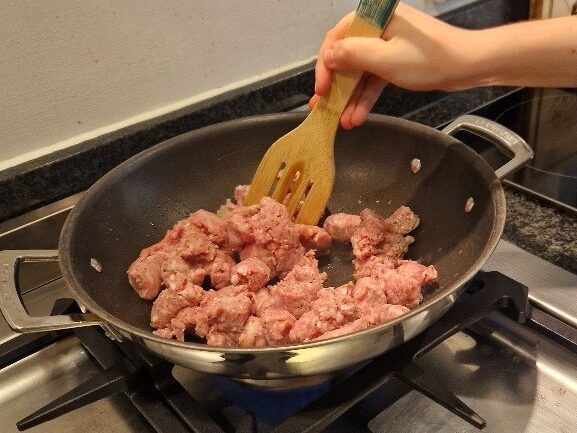
When you are ready to cook the sauce – bearing in mind it needs to cook for at least an hour in total, and ideally 1.5 hours – add a little olive oil to a high-sided frying pan, wok or large saucepan. You shouldn’t need much oil as you are frying the sausagemeat first, and this will have fat in. When the oil is hot – test it by hovering your hand above the pan – add the sausagemeat.
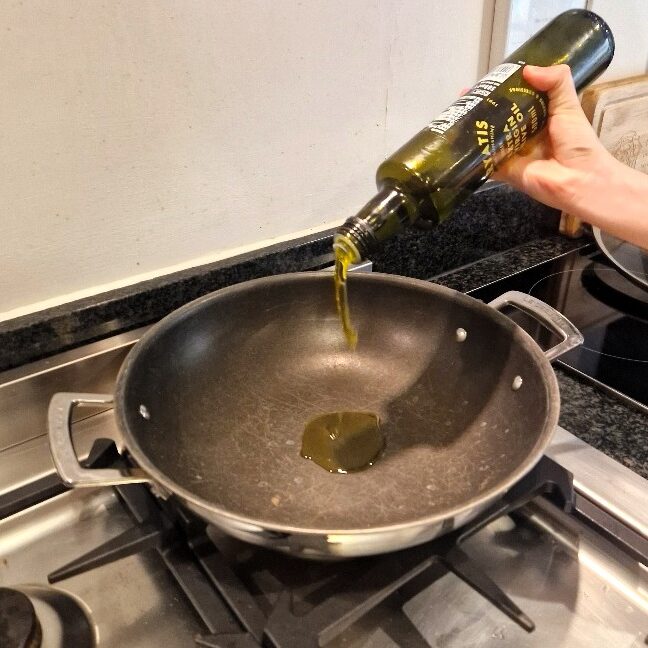
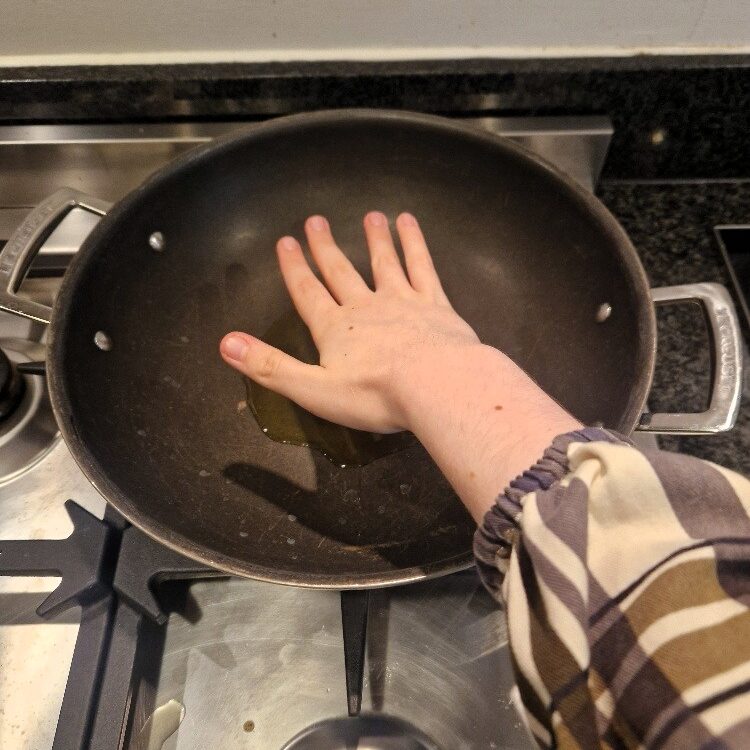
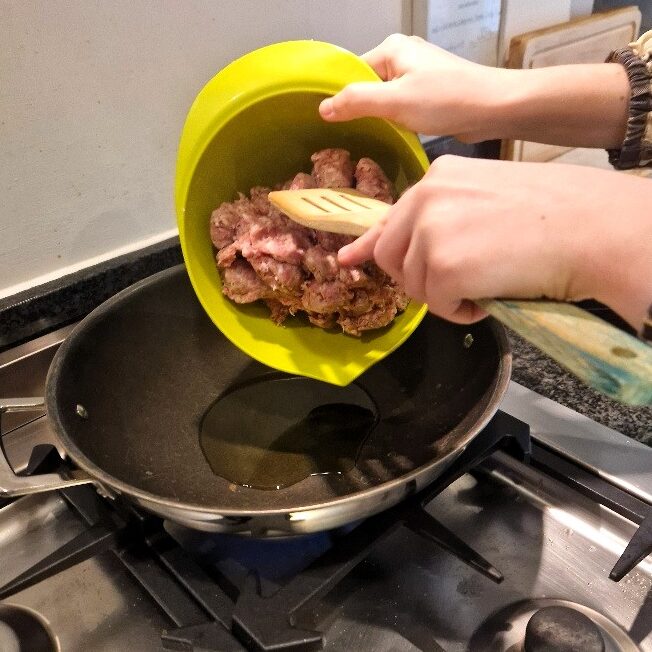
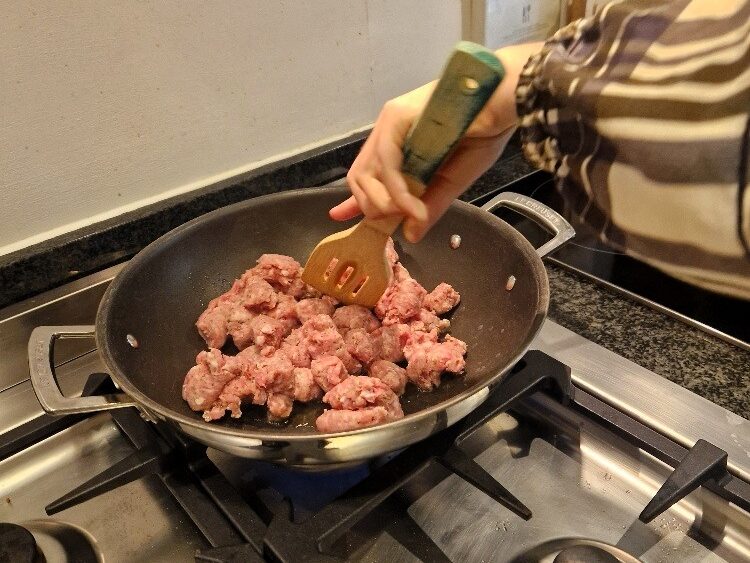
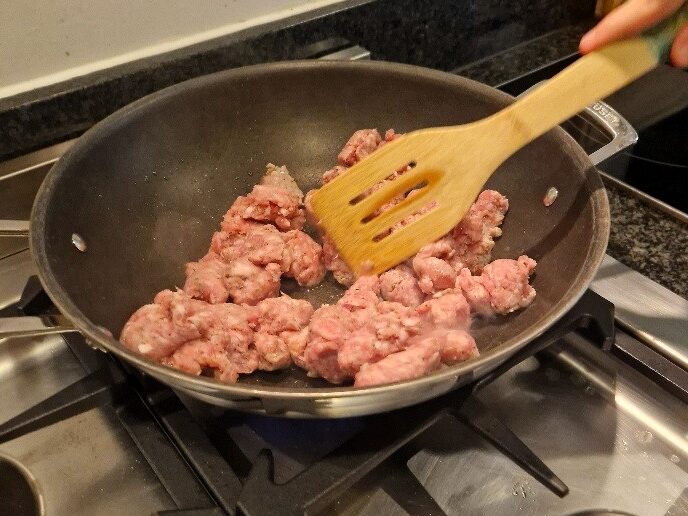
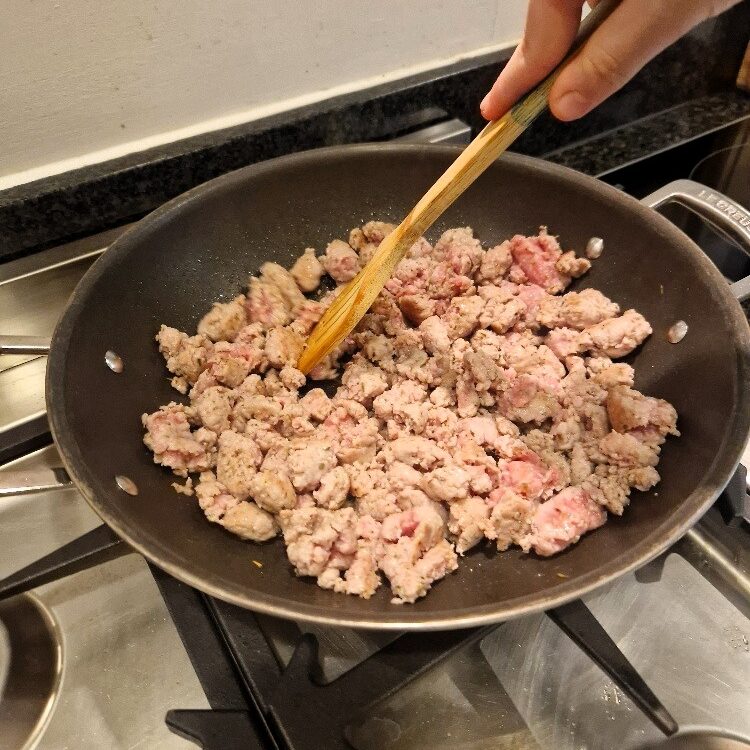
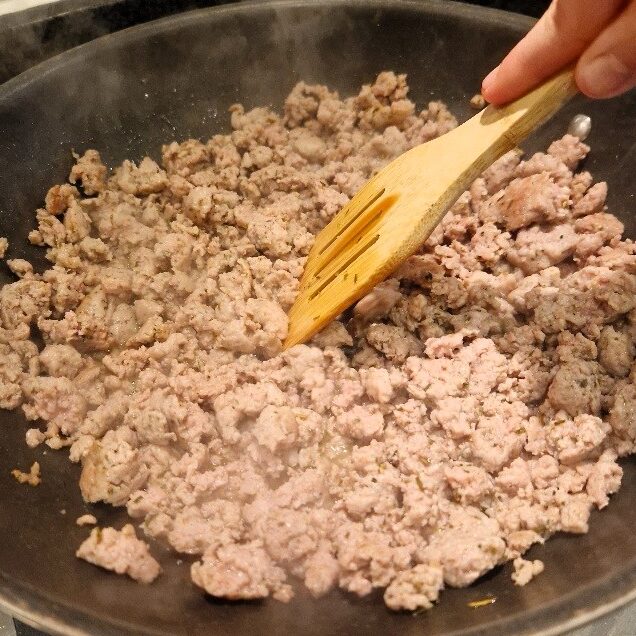
The sausagemeat needs to brown fully in the pan. Keep stirring it so the meat browns evenly, breaking up any larger pieces with your spoon or spatula, until it is all light brown in colour, and no pink or red remains. See the final picture below. The meat is ready when it is fully brown, any liquid has evaporated, and the fat in the sausages has started to run.
Jake sticks his nose in
Good quality, meaty sausages shouldn’t release much or any liquid/water on frying. But if yours do, and it doesn’t all evaporate, spoon as much of it out as you can and discard.
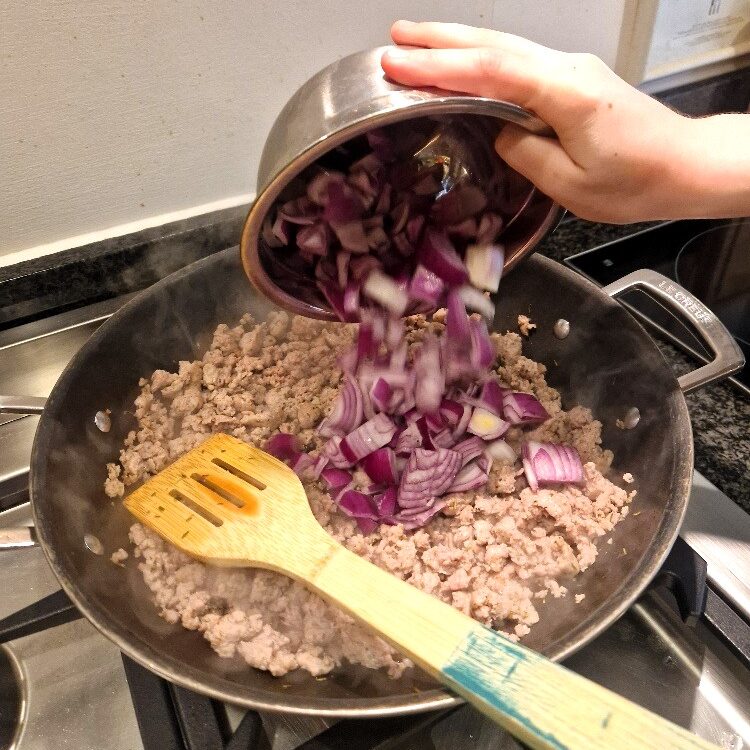
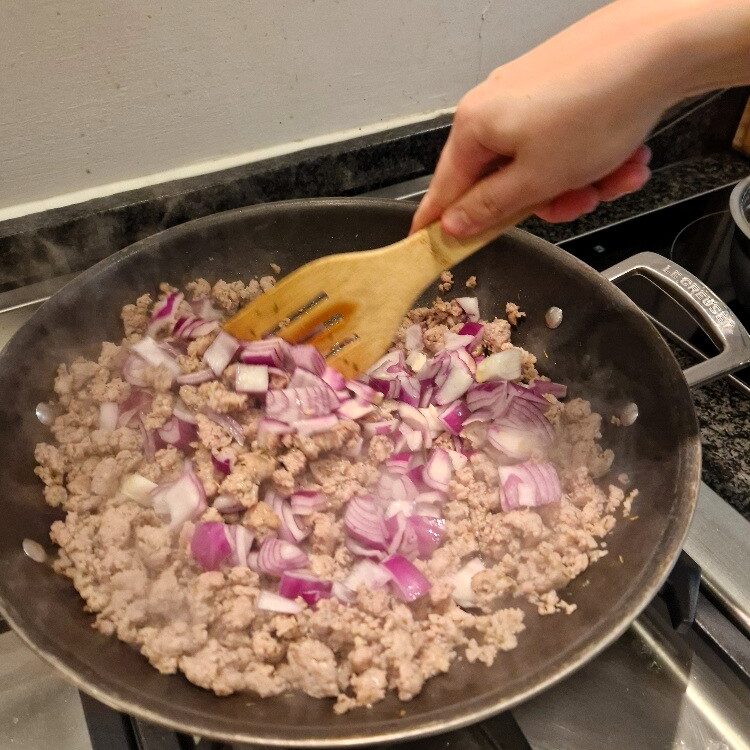
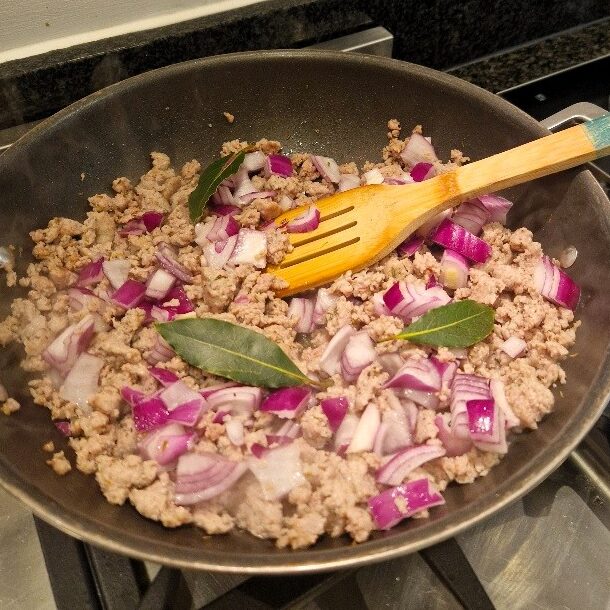
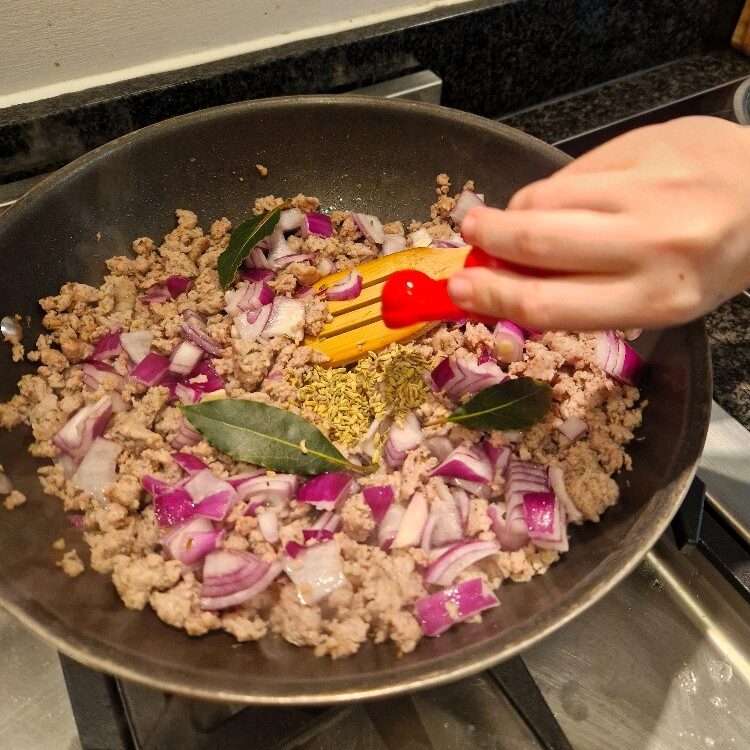
When the sausagemeat is fully browned, add the chopped onions. Add a little more oil if you think it needs it; the fat from the sausages should be enough. We didn’t need to add any extra today. Stir well, then add the bay leaves. You can use fresh or dried, two or three of them depending on size. Fry, stirring often, until the onions start to soften a little, a few minutes.
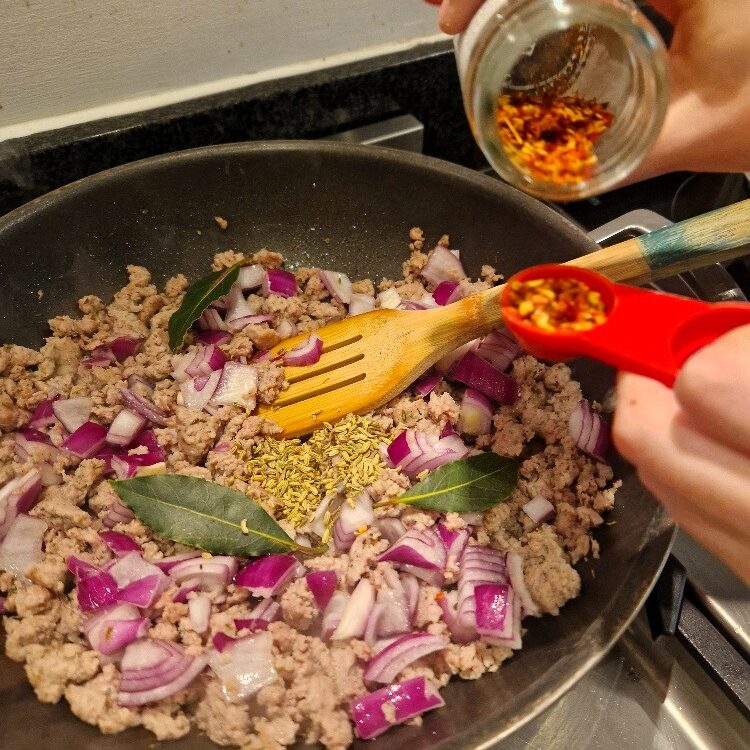
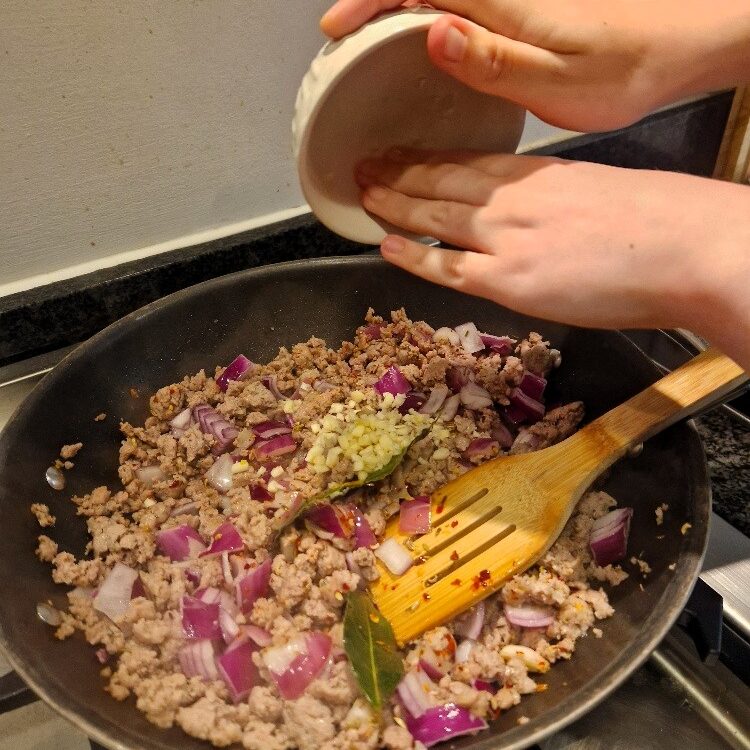
Next add the fennel seeds & chilli. We like to use chilli flakes in this sausage pasta sauce. How much you add depends on personal taste and how spicy you want the sauce. We like it medium spicy (we love spice, but in this tasty dish we don’t want it to overwhelm) so we add about two scant teaspoons. Fennel seed is another strong flavour so again you don’t want too much. We add about a teaspoon. Also add the garlic and stir well to combine everything.
Jake sticks his nose in
In the last recipe, Fennel à la Grecque, we made a dish with the fennel bulb, and used some of the fronds to flavour the garnish. This time, we are using the fennel seeds.
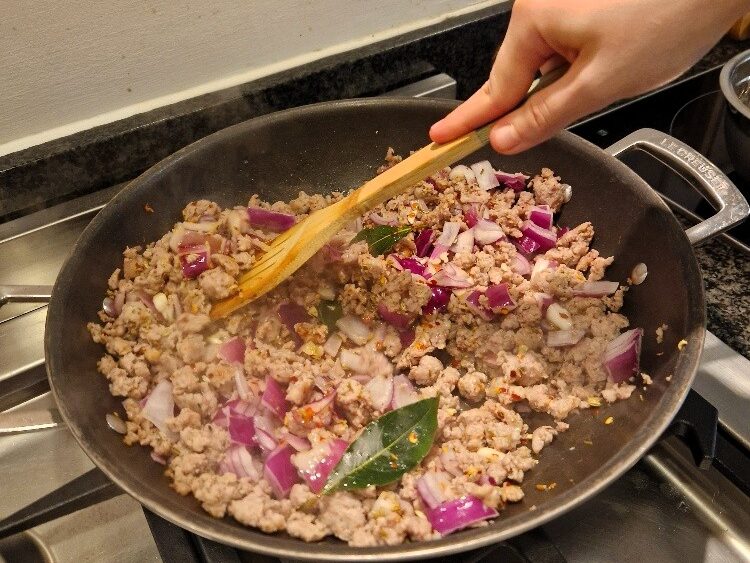
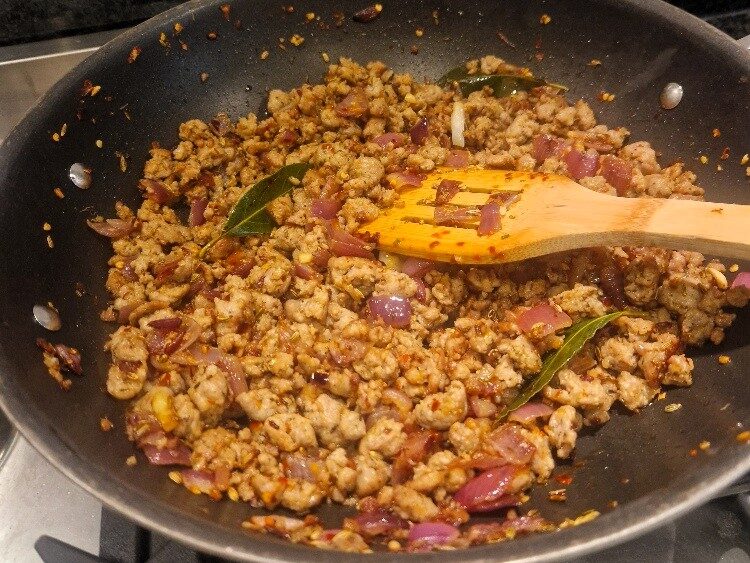
Cook over a low to medium heat until the onions are soft and a little brown, and the whole sauce base takes on a nice golden colour, as below. This will take about 20 minutes, stirring occasionally, or sometimes up to about 30 minutes. You can see how the colour changes below.
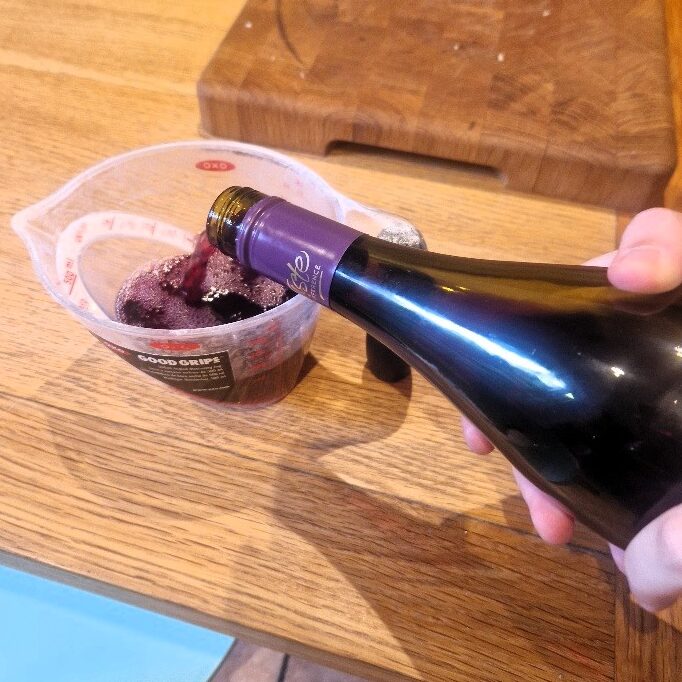
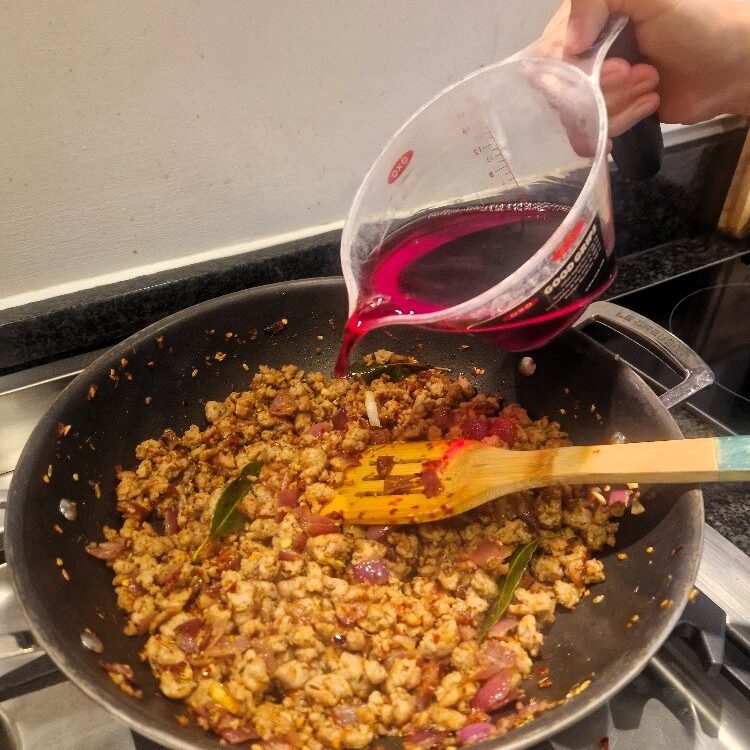
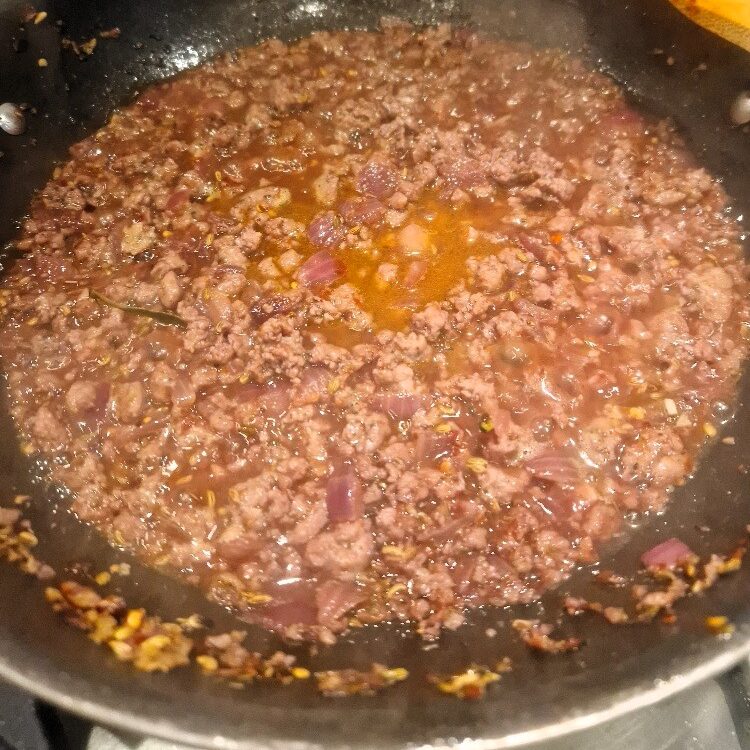
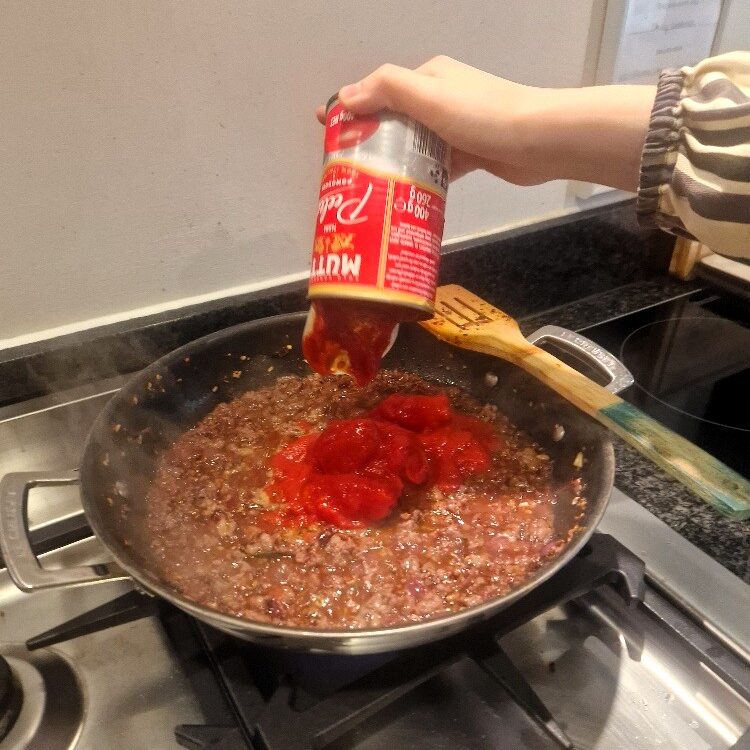
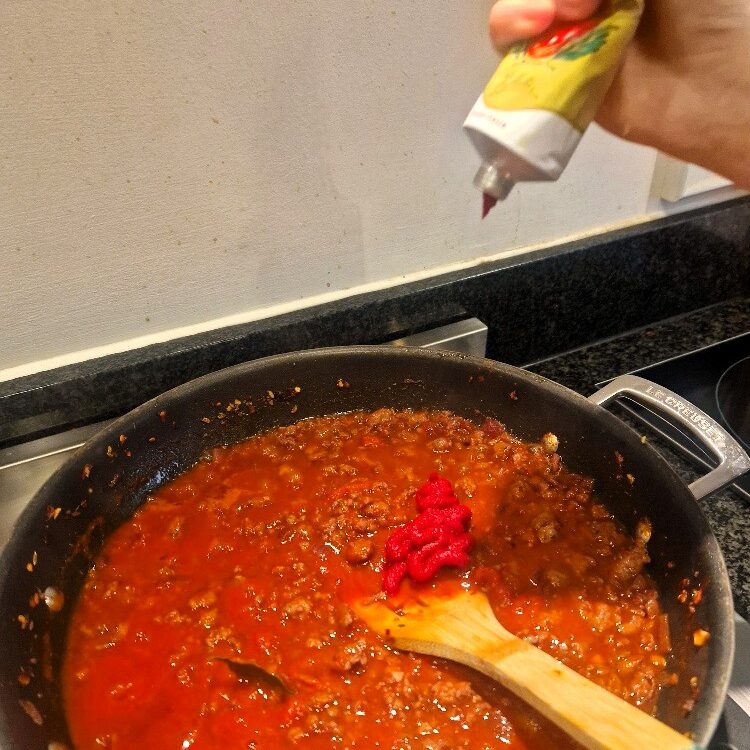
Measure out the wine, we use about 300ml. Any red wine will do, though a fairly fruity, robust one is best. Turn the heat up under the pan, and when hot add the wine. Cook, stirring, until the wine evaporates, a few minutes. Then, with the heat still high, add the canned tomatoes (we use two tins), and a generous squeeze of tomato purée. If your tomatoes are whole, as ours were today, break them up with your spoon. Stir well, then turn the heat down to low and simmer.
Jake sticks his nose in
The alcohol from the wine will cook off with the heat – especially with such a hot early cook, and then such a long simmer – so this dish is fine for children or non-drinkers (if they are happy). However, if you do not use alcohol at all you can leave it out. There isn’t really a good substitute that we know of, but the sauce will still be very nice, just a bit different.
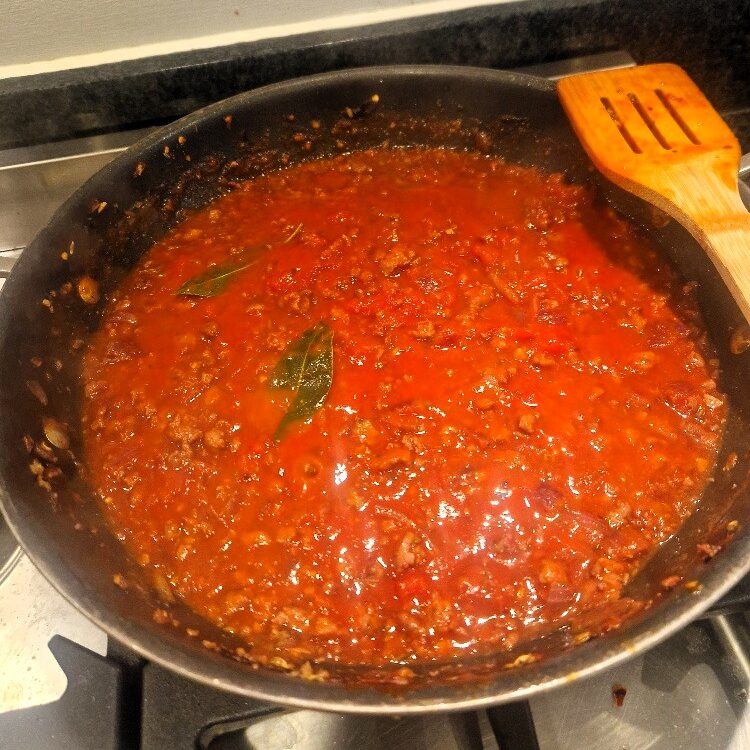
The sausage pasta sauce now needs a really good long cook for the flavours to soften and develop. We like to cook it for an hour, or even longer. But it really needs at least 45 minutes. Stir it occasionally. The sauce will darken and reduce, becoming quite thick when ready.
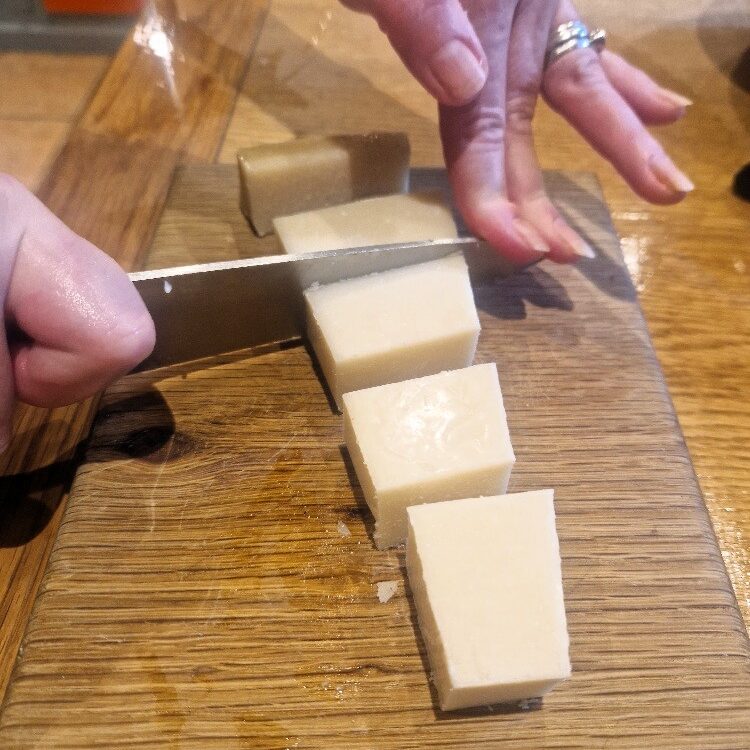
While the sauce is cooking, grate some parmesan. We add some to the sausage pasta sauce, and reserve some for serving, if people wish to add more. This means we tend to grate most of a small block, or about 150g. Grate fairly fine, and reserve.
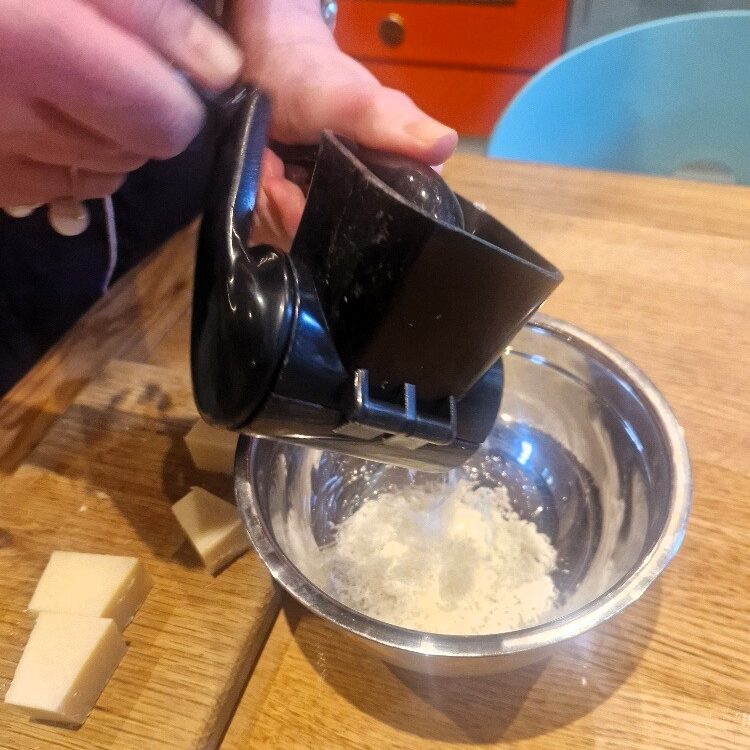
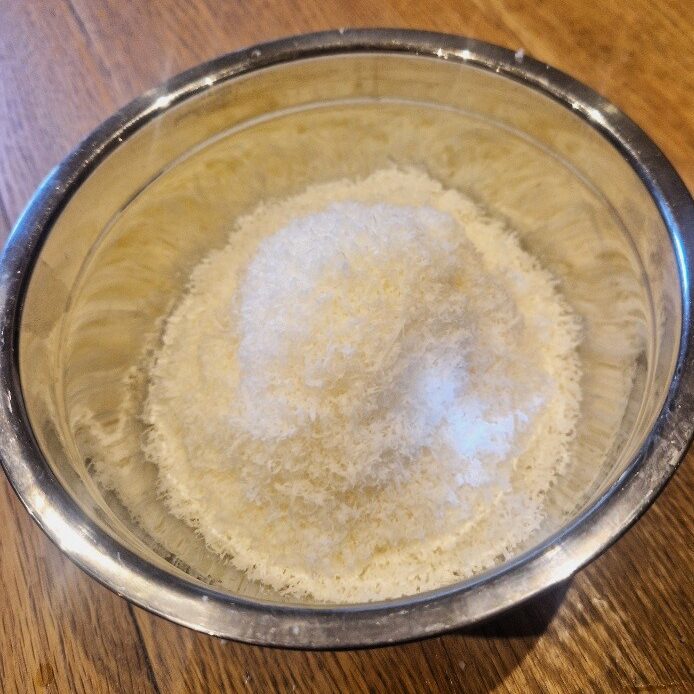
Towards the end of the sauce’s cooking time, you’ll need to think about getting the water for your chosen pasta on to boil. Check how long the pasta says it will take, then allow at least another 10 minutes for your water to boil. We add some cold water from the tap to a large pan and get this on to boil over a high heat, while also boiling a kettle.
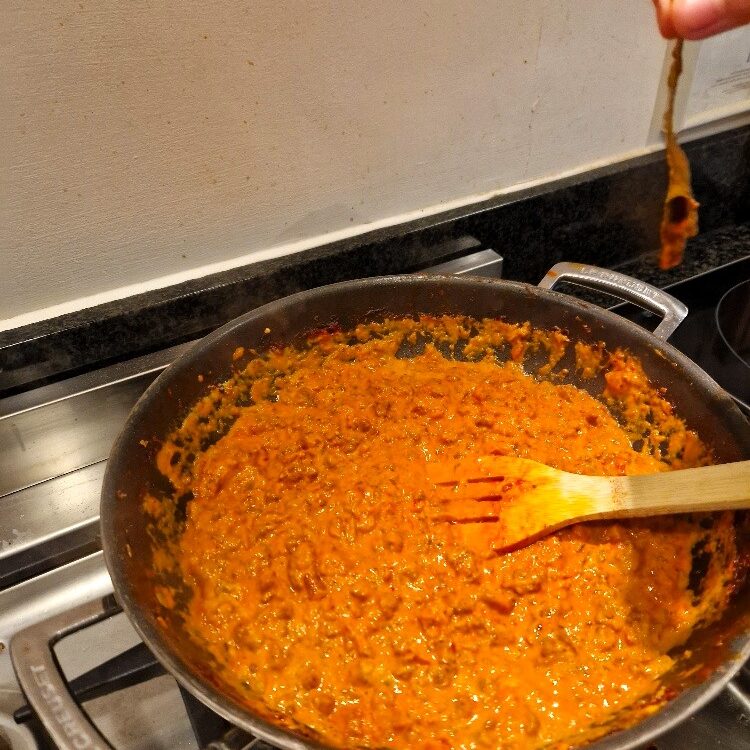
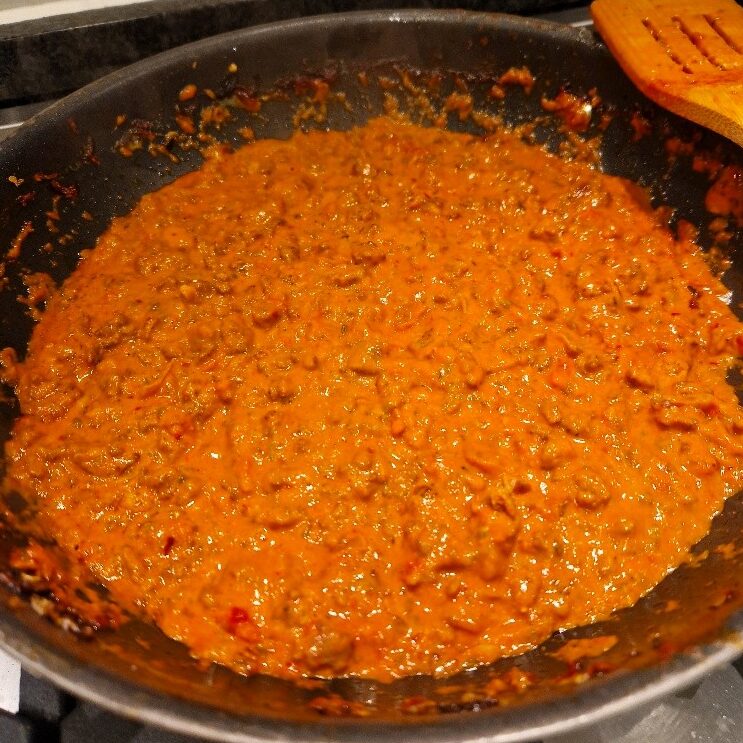
When the pasta sauce is done, you’ll also need to finish it with the final ingredients. You can see below how nice & thick the sausage pasta sauce looks after its long slow cook.
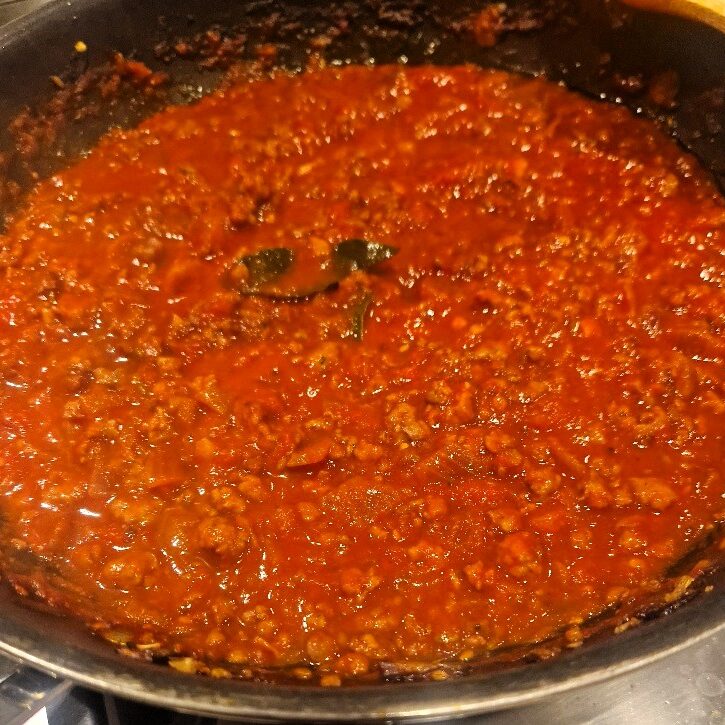
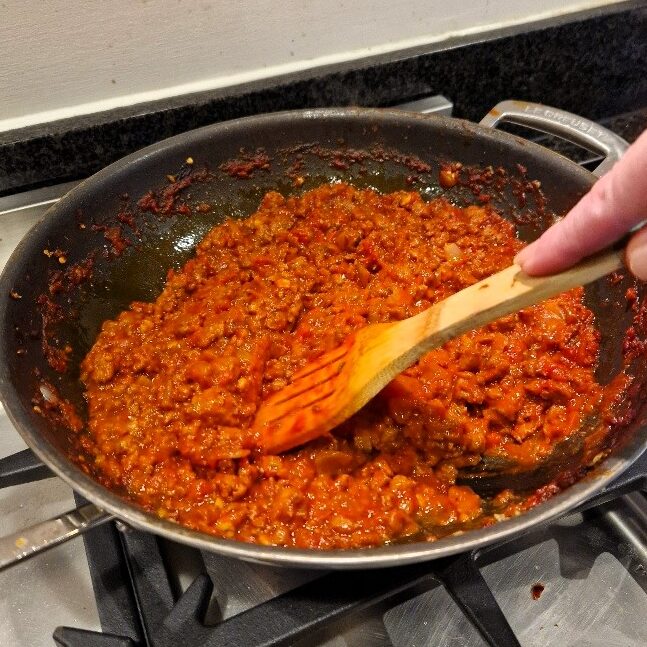
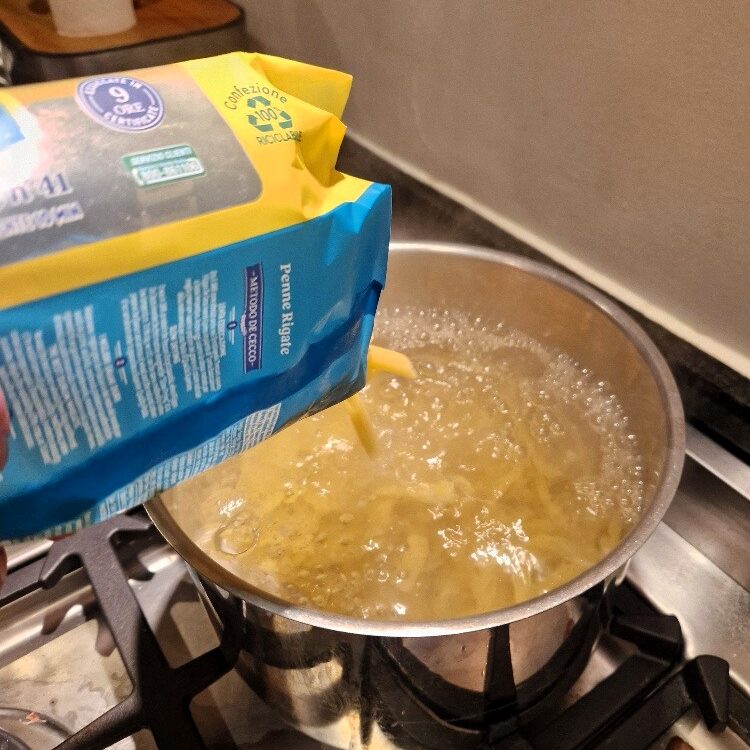
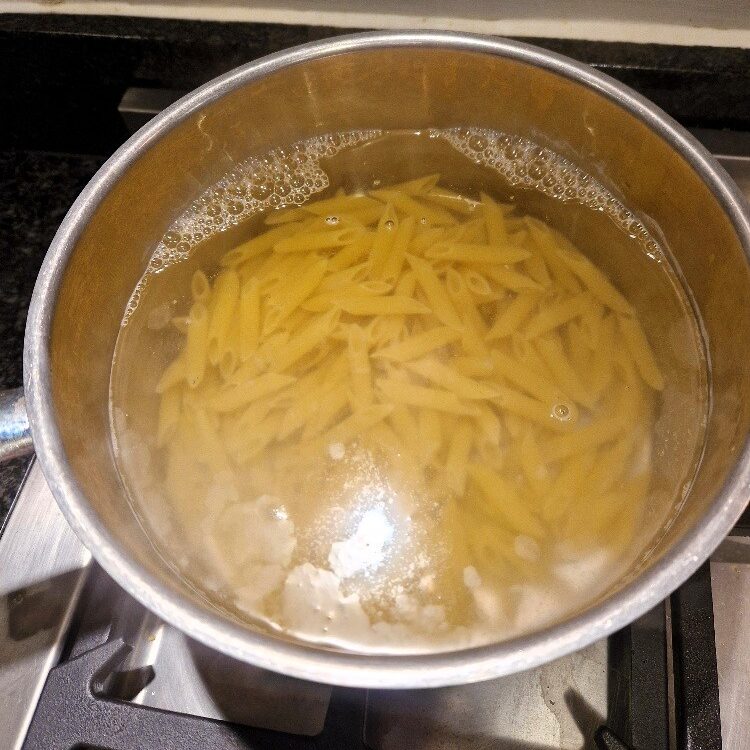
When the water has boiled, get the pasta on to cook. We like penne with this sauce, but you can use any shape you like or have to hand. Shorter, firmer shapes that will hold some of the sauce work best, however.
Jake sticks his nose in
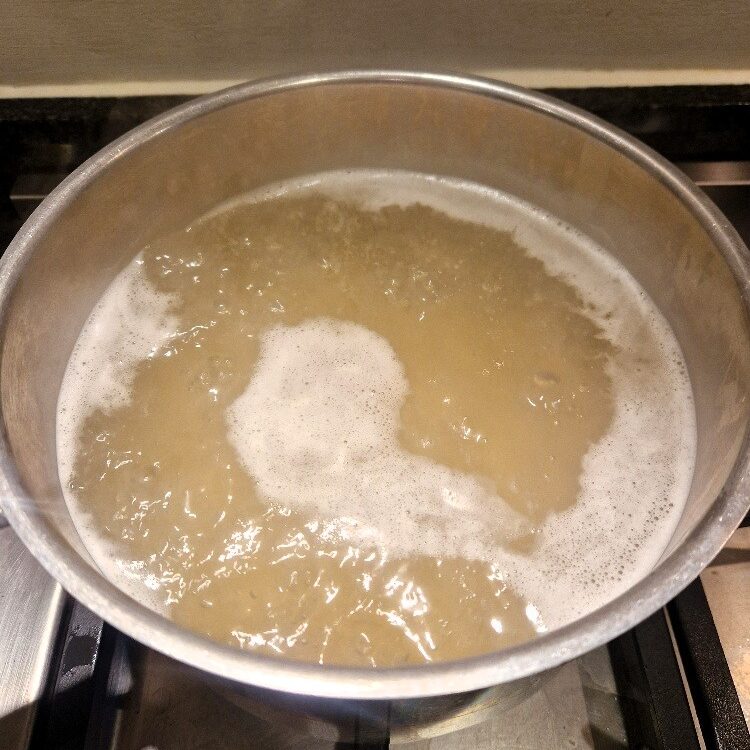
Always cook pasta in plenty of salted, boiling water and in a large pan. Keep it at a rolling boil all the time too. Most pasta has two cooking times; the lower one will give you a firmer feel, and the upper one softer cooked. We personally like pasta at the firmer end in this particular dish.
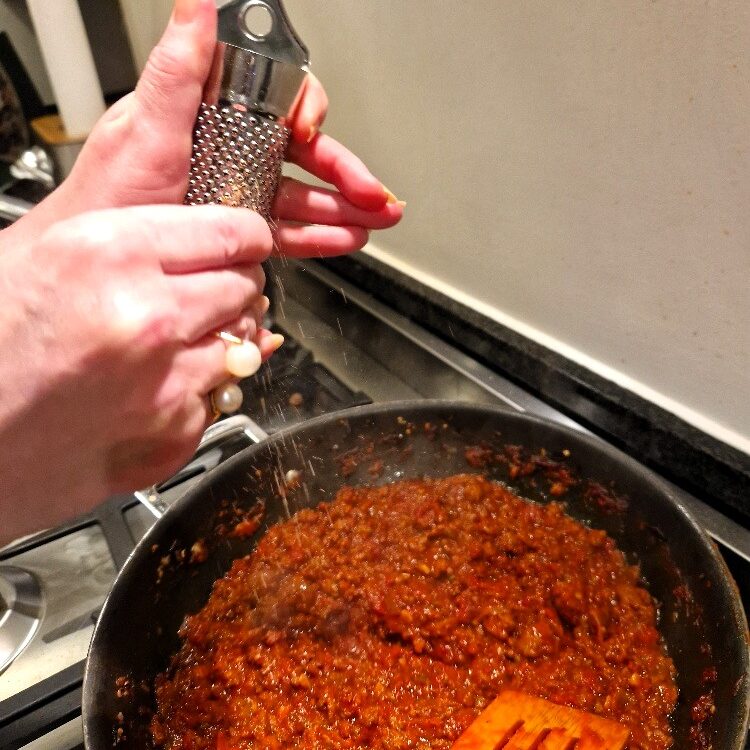
Just before you are ready to serve the sausage pasta, finish the sauce. Grate in a little nutmeg – you don’t want too much in this dish or it will take over. Then add about 150ml of double cream. Stir well.
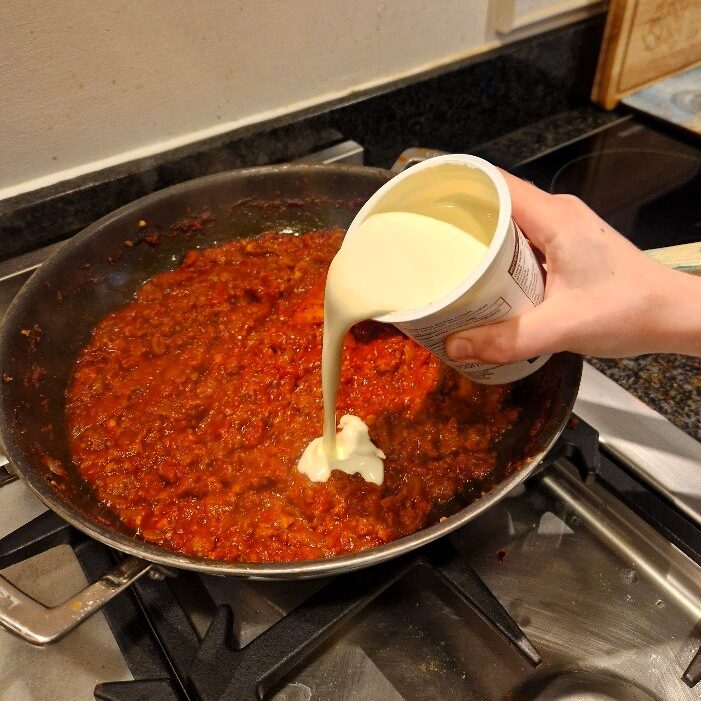
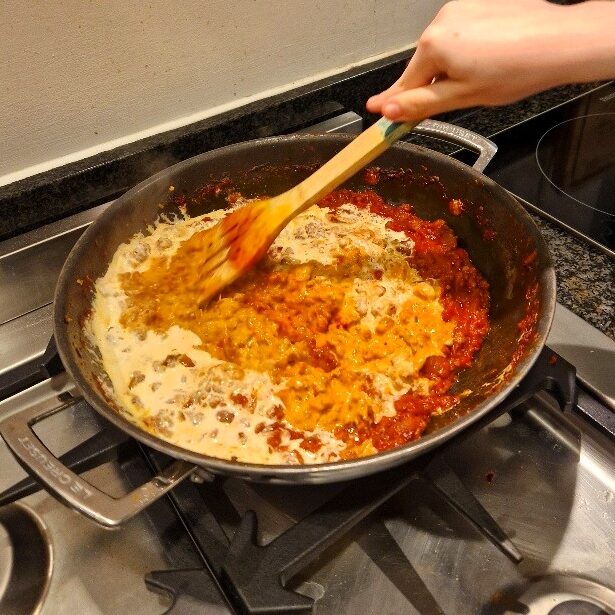
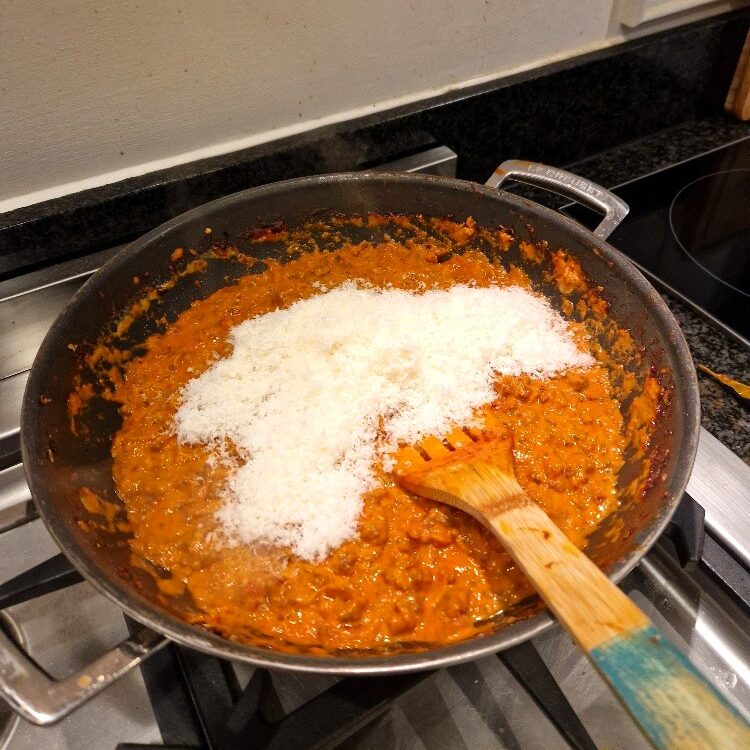
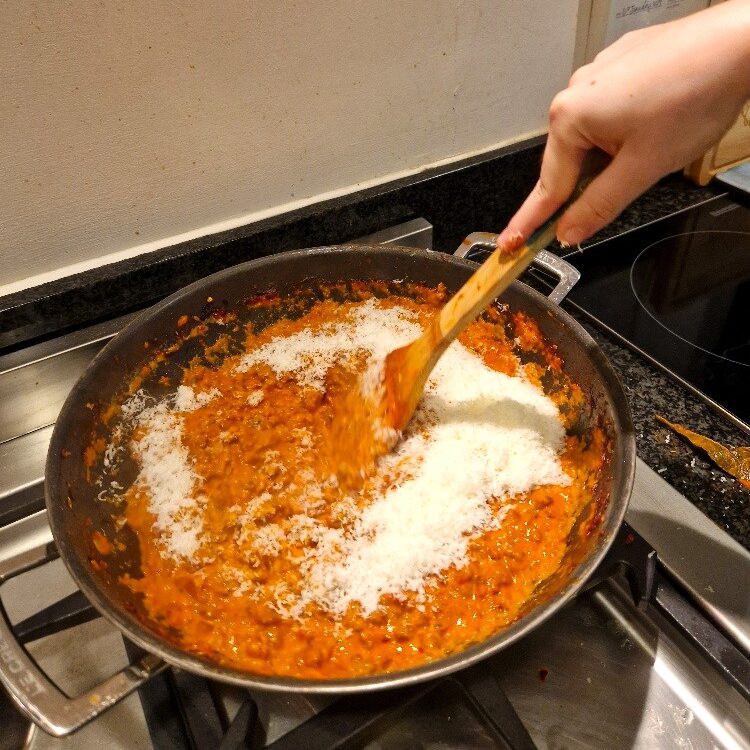
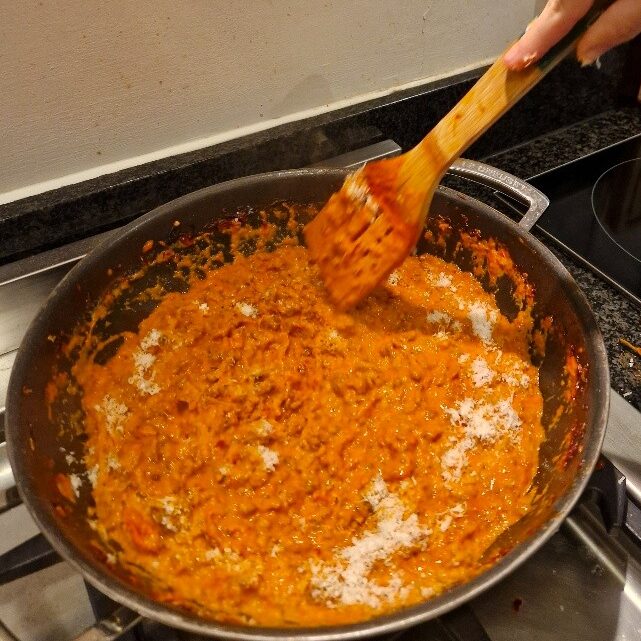
Now remove the bay leaves and add a generous handful of the grated parmesan. Stir really well until the sauce is well combined and glossy. Taste, and season with salt or pepper, if needed. Our sauce didn’t need extra seasoning today.
Drain the pasta in a colander or large sieve, then add to the pan with the sauce.
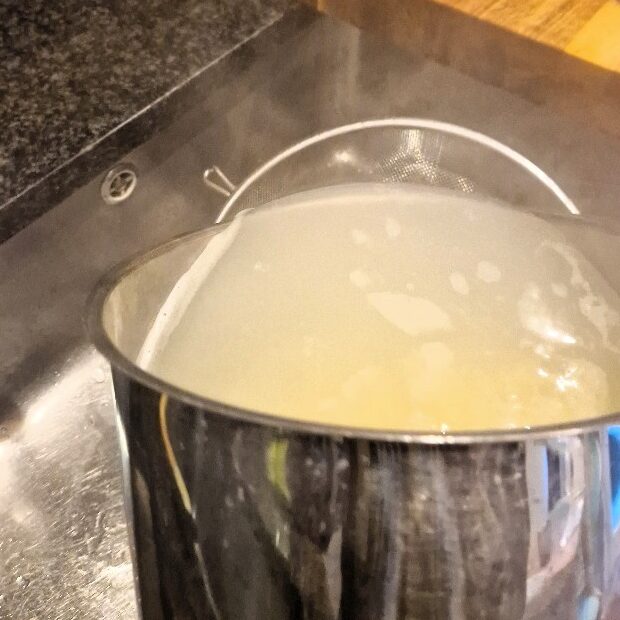
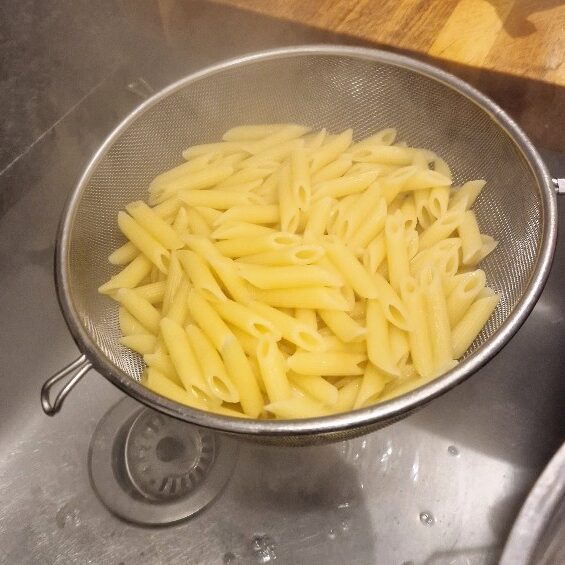
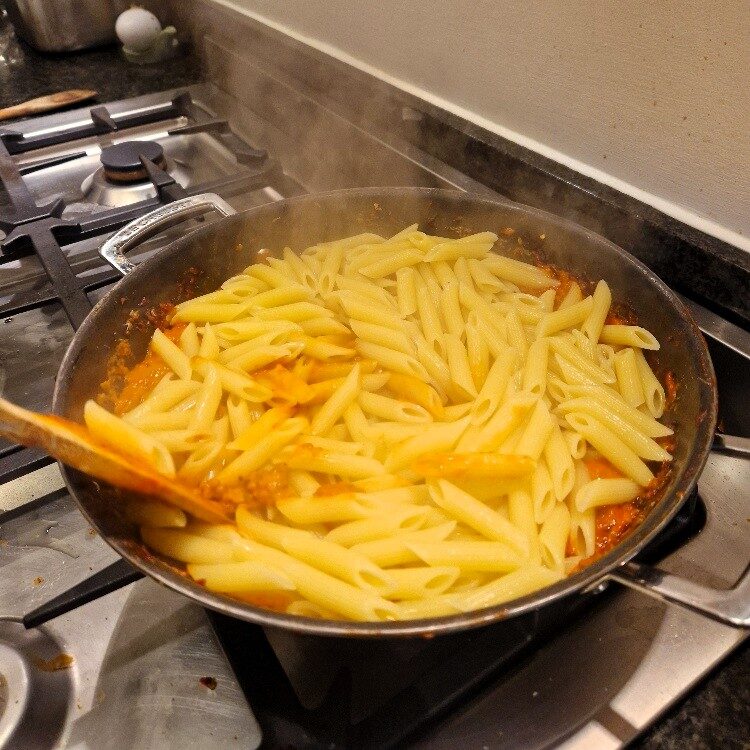
Stir really well so the pasta is well coated in the sauce. You can add a little pasta water to loosen the sauce if needed. We didn’t need to today as enough water came in on the pasta.
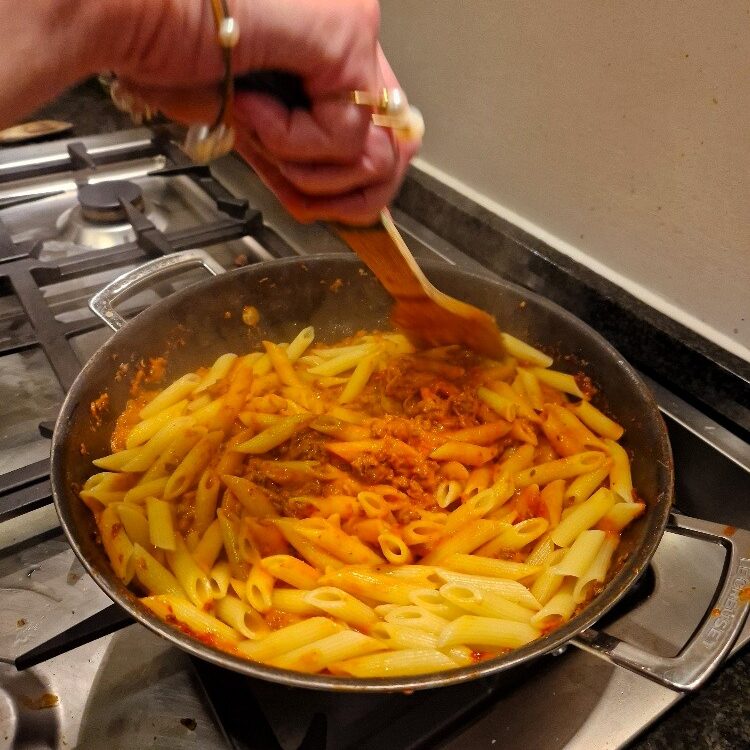
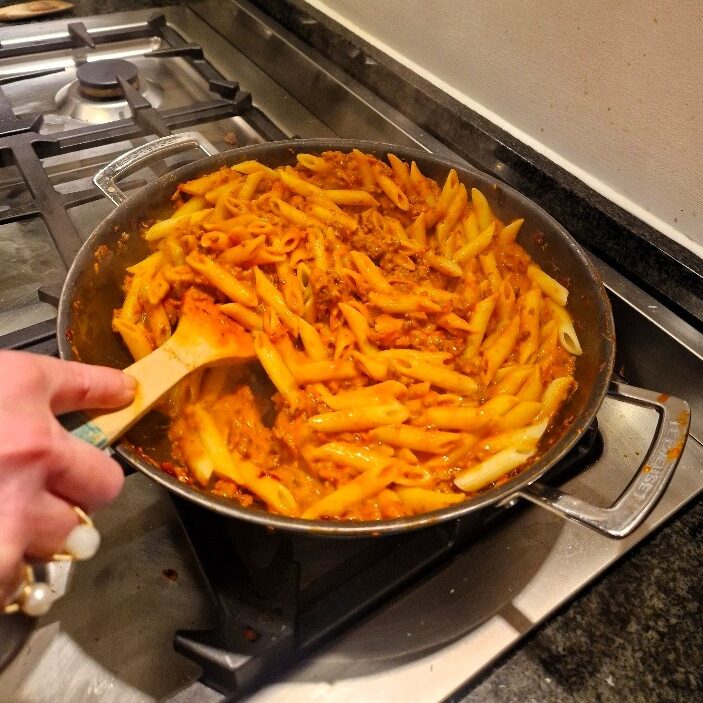
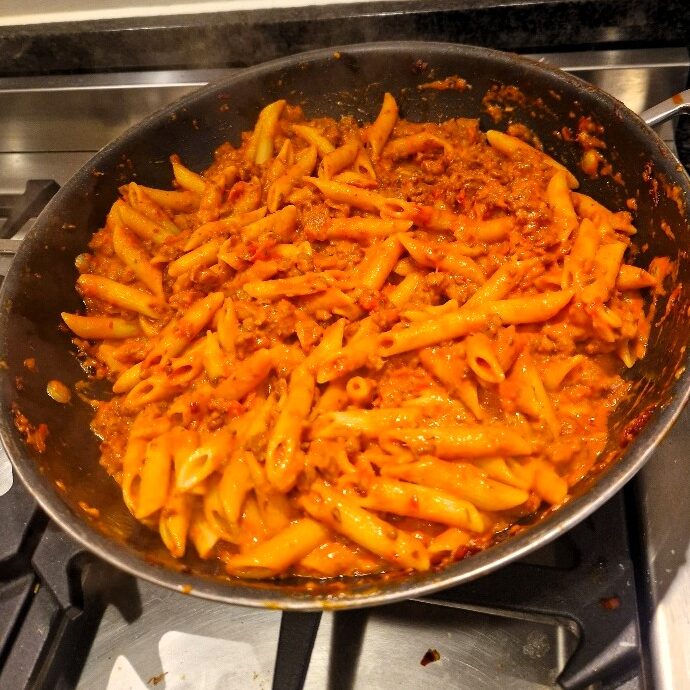
Serve immediately.
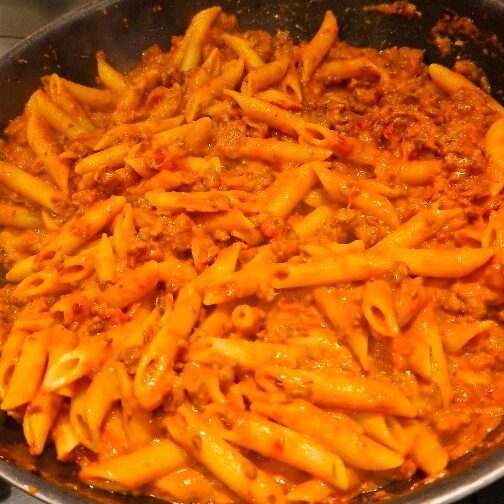
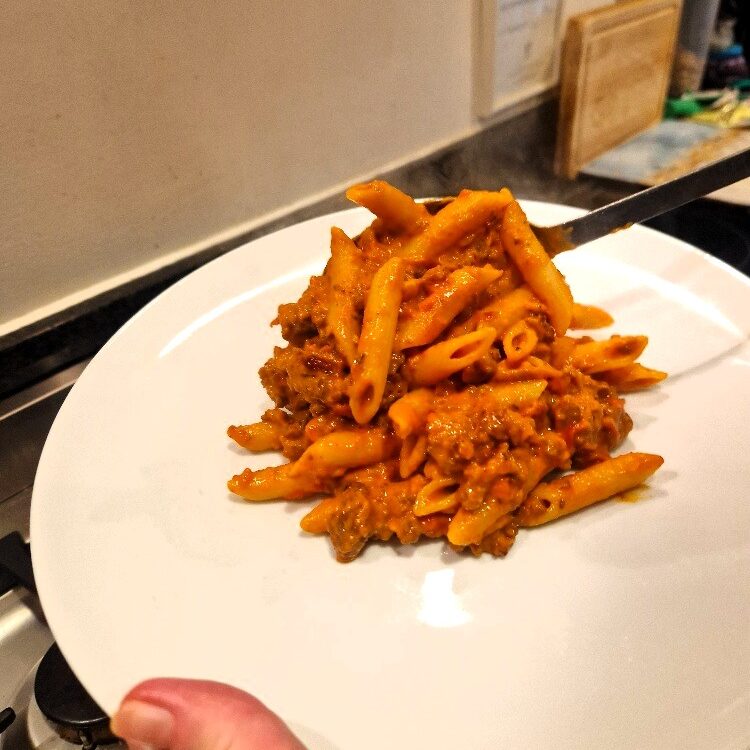
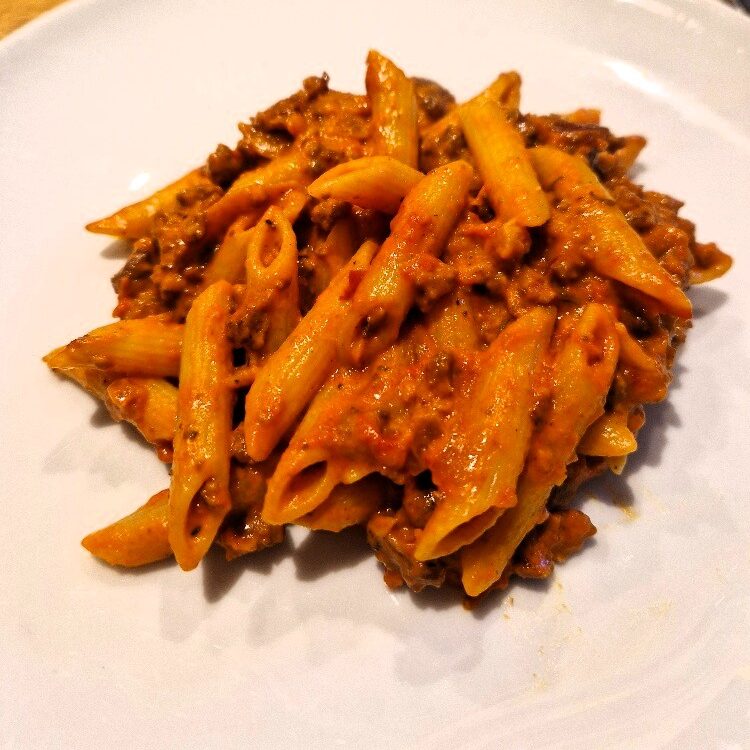
Top with a little more grated parmesan, if liked. Place a bowl with some cheese on the table so your guests to add more (or not) to taste, bearing in mind there is parmesan already in it.
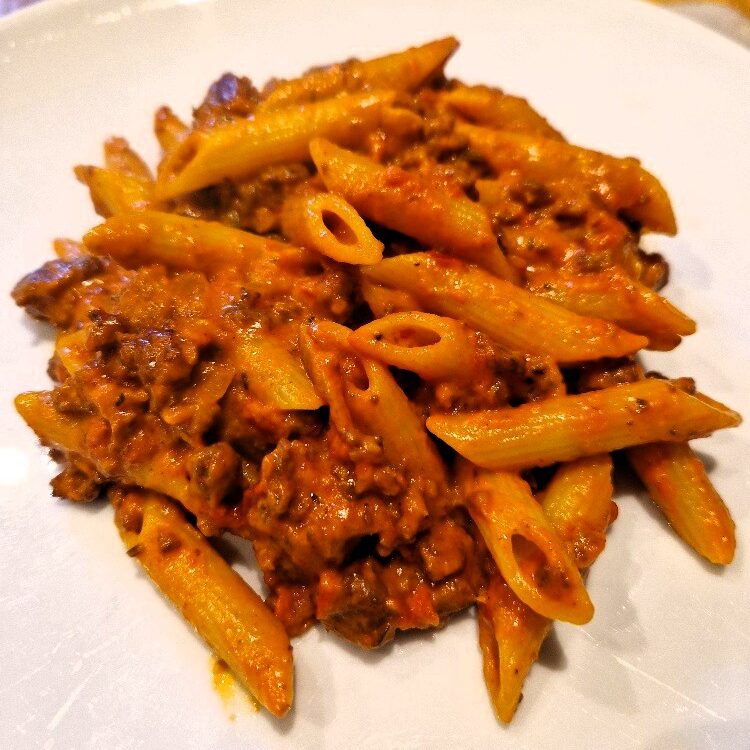
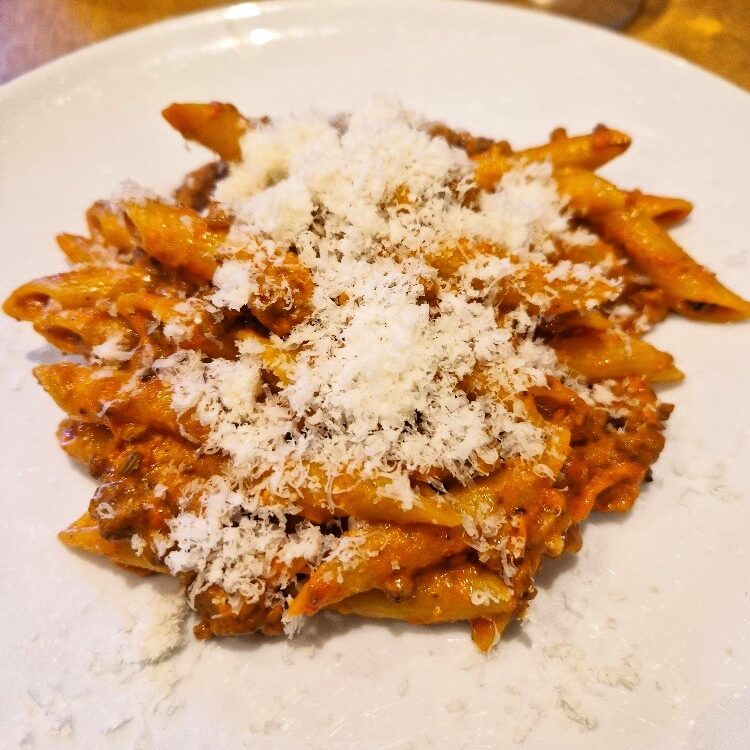
Enjoy your slow-cooked sausage pasta!
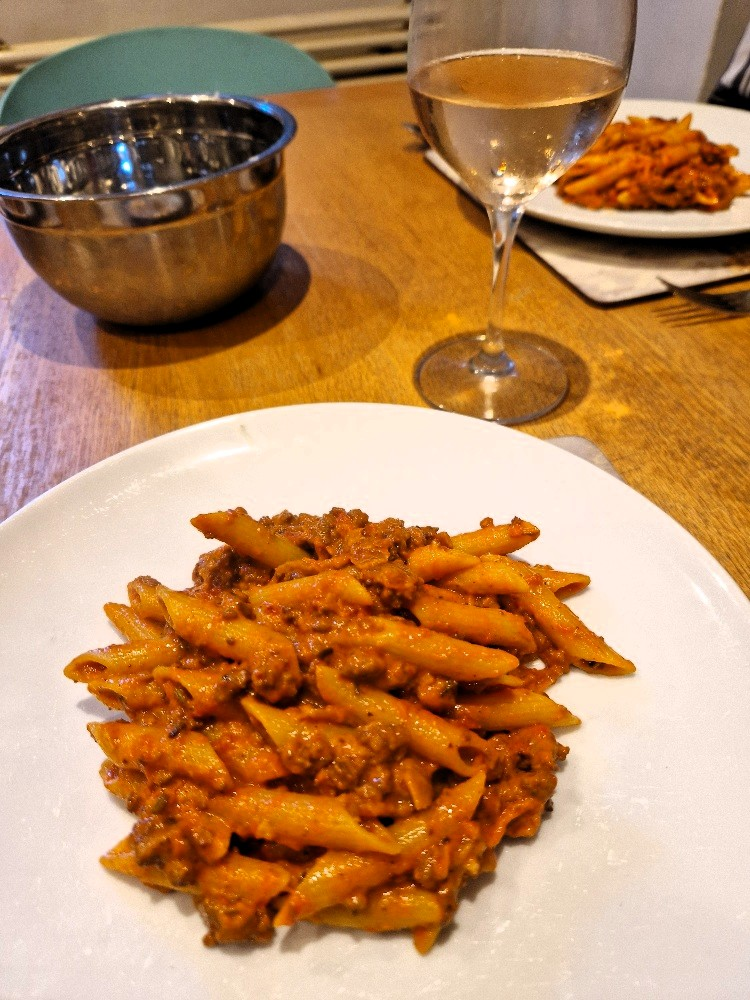
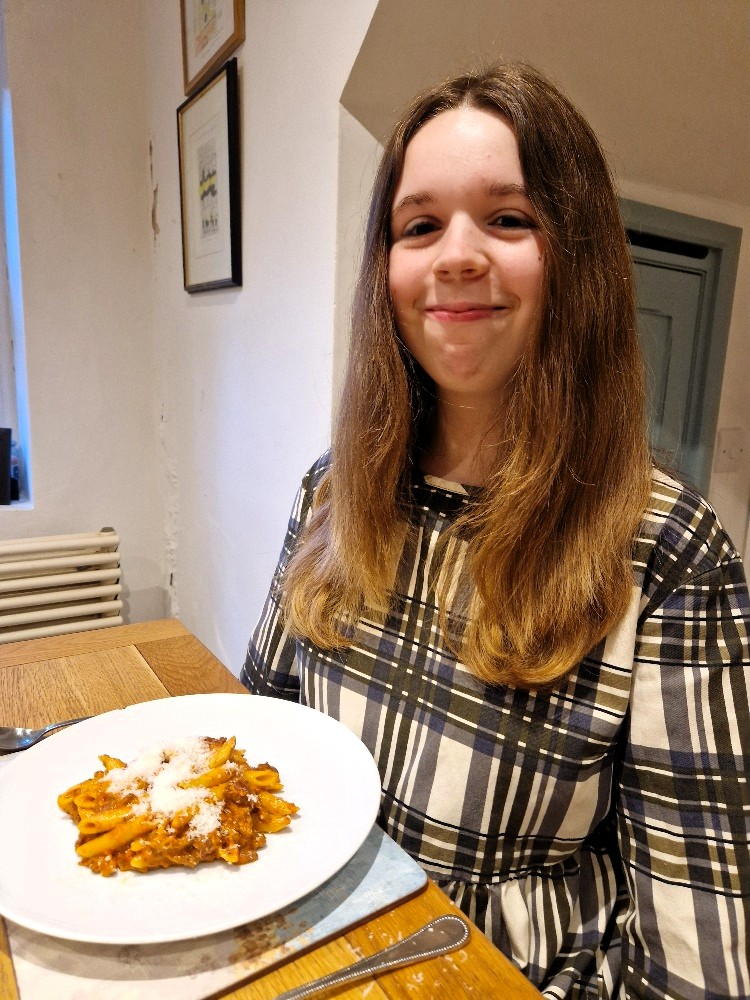
Subtly Spiced, Slow-Cooked Sausage Pasta
Ingredients
Equipment
Method
- Remove the sausagemeat from the skins – slice through the sausages, then peel the skin off. Break the sausagemeat into bite-sized chunks.
- Chop the onions into medium pieces. See our onion Tip. Also chop the garlic. See our garlic Tip.
- Heat a little olive oil in a large wok, high-sided frying pan or saucepan. You shouldn't need much oil as there is fat in the sausages. When the oil is hot, add the sausagemeat and cook, stirring, until it is completely brown and no pink or red remains. Break up any larger pieces with your spoon or spatula as you stir.
- When the meat is brown, add the onions and bay leaves and fry for a few minutes until the onions just soften. Only add more oil if you think it needs it. Add the chilli flakes, fennel seeds and garlic and stir well. Fry over a low heat until the onions are soft and slightly browned, about 20 minutes. The sauce base should look golden when cooked.
- When the base has cooked, turn the heat up. Add the red wine, and stir for a few minutes so it evaporates. Then, with the heat still up, add the canned tomatoes and a good squeeze of tomato purée. Stir well, then turn the heat down to simmer the sauce. It really needs a long, slow cook for the flavours to soften and develop – at least 45 minutes, and ideally an hour or more. The sauce should be reduced and quite thick when done.
- While the sauce is cooking, grate the parmesan, quite finely.
- Boil some water in a large pan, add salt and then cook the pasta for the time specified on the packet – the lower time for firm pasta, the higher time for softer.
- While the pasta is cooking, finish the sauce. Grate in a little nutmeg – don't add too much, a small grating is enough. Add the cream, and stir well to combine. Remove the bay leaves, then add a generous handful of the grated parmesan, and stir well again. Taste, and adjust the seasoning with salt or pepper if needed.
- When the pasta is cooked, drain it and add to the pan with the sauce. Stir well so the pasta is well coated in the sauce. You can add a little pasta water to loosen it if needed.
- Serve immediately. Serve the rest of the parmesan separately for your guests to add extra (or not) if liked.
- Enjoy!