

Skills you will learn in this recipe
Making a two-texture pasta sauce
Links to the last recipe
Cooking with broad beans; finishing with Parmesan
Broad beans are a bit divisive in our family. Taid loved them, but Bibi hated them. Emily & Estella also love them – in fact they’re one of our favourite vegetables – but Philip is ambivalent. But love them or not, everyone agrees this simple broad bean pasta is delicious!
Many of the best pasta sauces are extremely simple – think cacio e pepe (another favourite) or aglio e olio. Or indeed our own Pasta with Lemon & Basil or Pasta Pesto from earlier in the Cookery Course. And this broad bean sauce has only five key ingredients – broad beans, red onion, garlic, parmesan & parsley. It’s based on a River Café recipe from a book we lost in a flood a long while ago, but it’s so simple we cook it from memory, with a few adaptations. It’s one of our all-time favourite pasta dishes, and it’s great for vegetarians, too.
We think the original recipe used fresh broad beans, in season (broadly May to August in the UK). And of course you can use these if you see them. But we tend to make it with frozen broad beans, usually baby ones – the quality of these is generally very good. We prefer the broad bean sauce with a long pasta, and tend to use linguine here. But spaghetti or bucatini would also work well.
Preparation
We don’t tend to double-pod the broad beans for this recipe, though some cooks swear by it. Double-podding is when you slip the individual broad bean out of its greyish skin as well as removing the outer large pod. This is fiddly and time-consuming, and frankly we prefer the slightly earthy flavour the skin brings, especially on baby or young beans where it isn’t too thick. But you can double-pod if you prefer – just plan time for it (and to get tired fingers)!
If using frozen broad beans, it’s a good idea to get them out of the freezer a little before you plan to start cooking, ideally about 30 minutes before. At the least, let them stand for the time it takes to prep the other ingredients to take the chill off a bit. Weigh them – we use about 500g for a decent serving for four people; it would serve six people as a good starter.
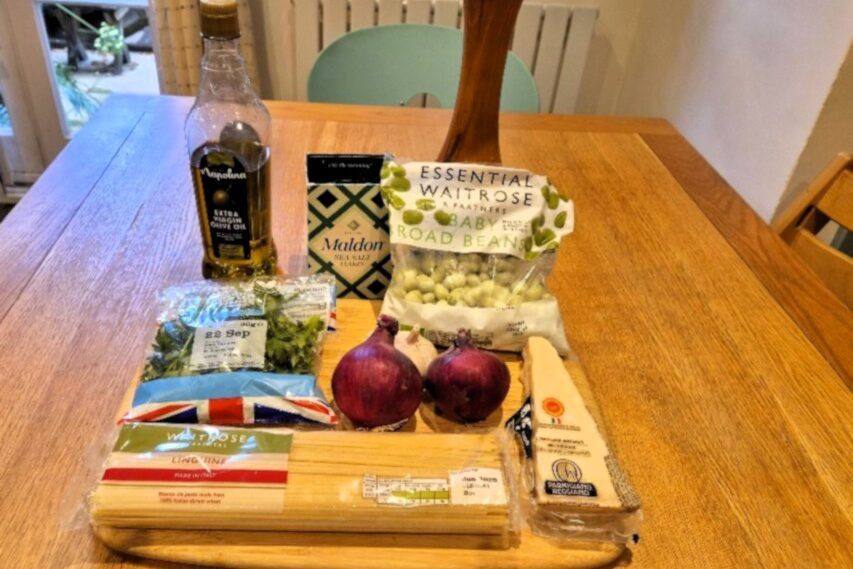
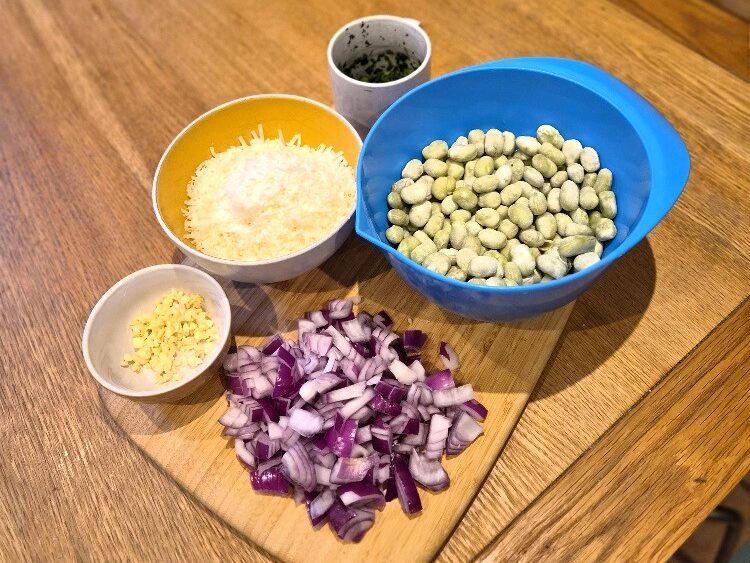
Start by peeling & chopping the onion, medium fine. See our onion Tip. We use a red onion in this dish as we like the bite & colour it brings (and the sauce isn’t that pale, so the colour works fine), but any onion will do. Our onions today were quite small, so we used two. One larger one would be enough.
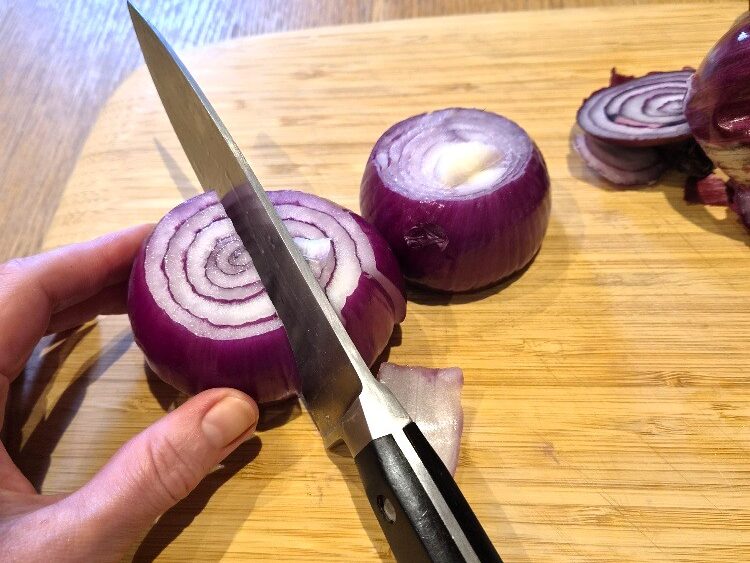
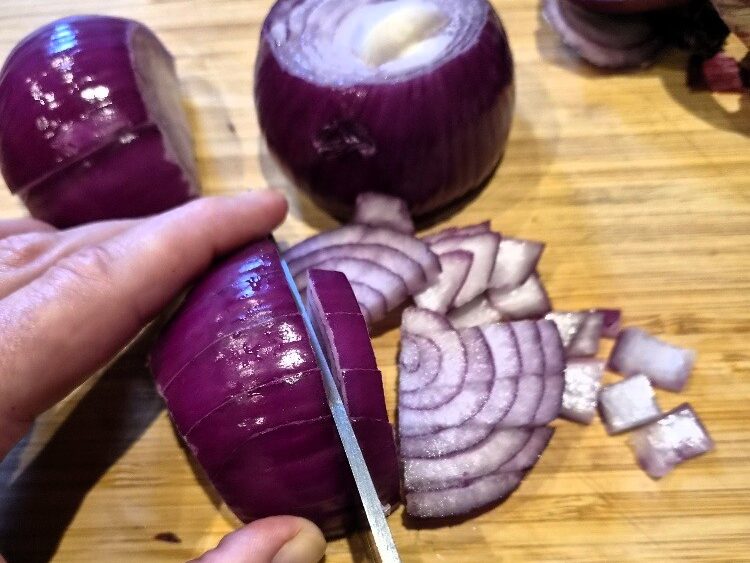
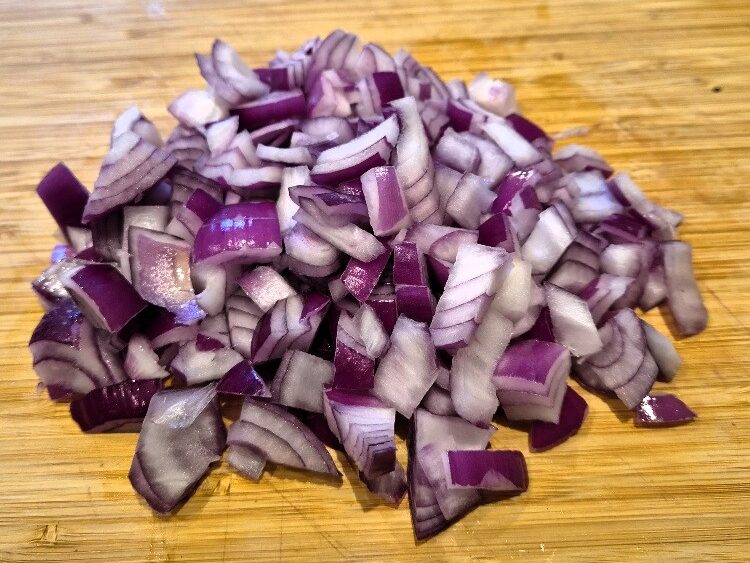
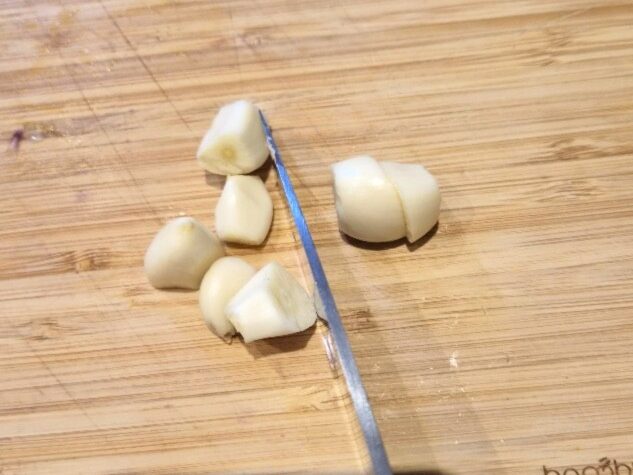
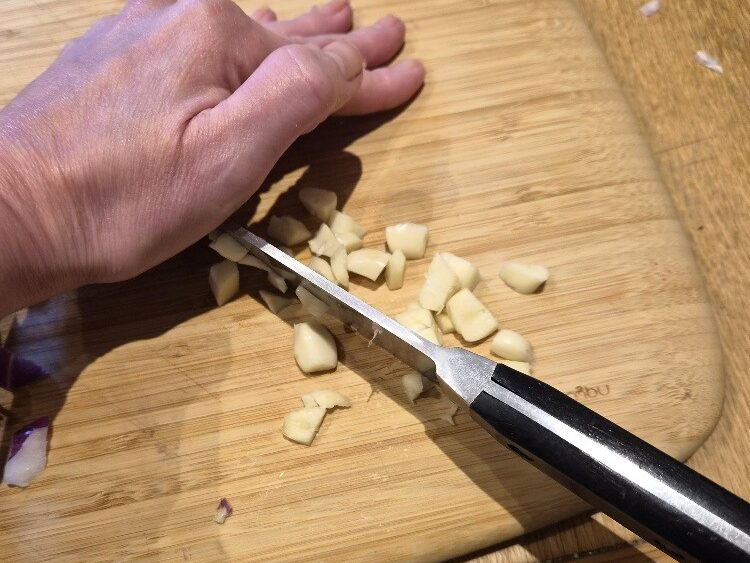
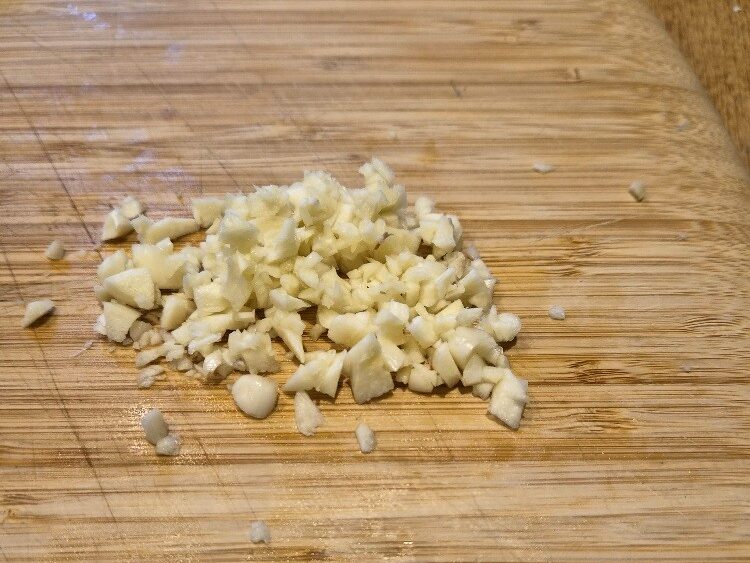
Also peel & chop some garlic, see our garlic Tip. Garlic is a key flavour in this dish so today we used four cloves, but two were quite small. Two or three fat cloves is about right, as you want to taste the garlic, but not to have it overwhelm the delicate flavour of the beans, which are the star.
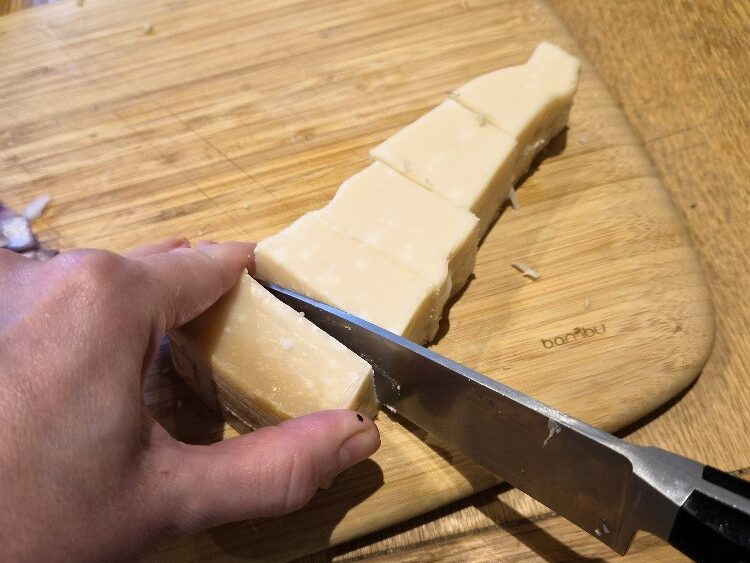
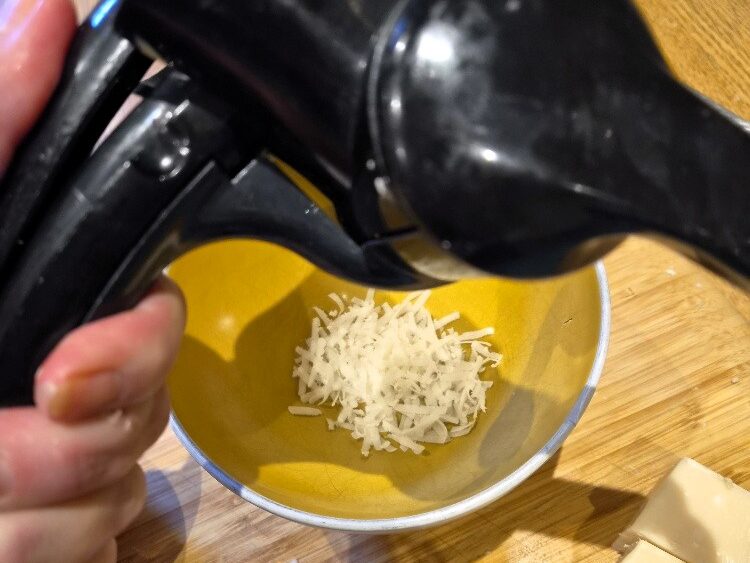
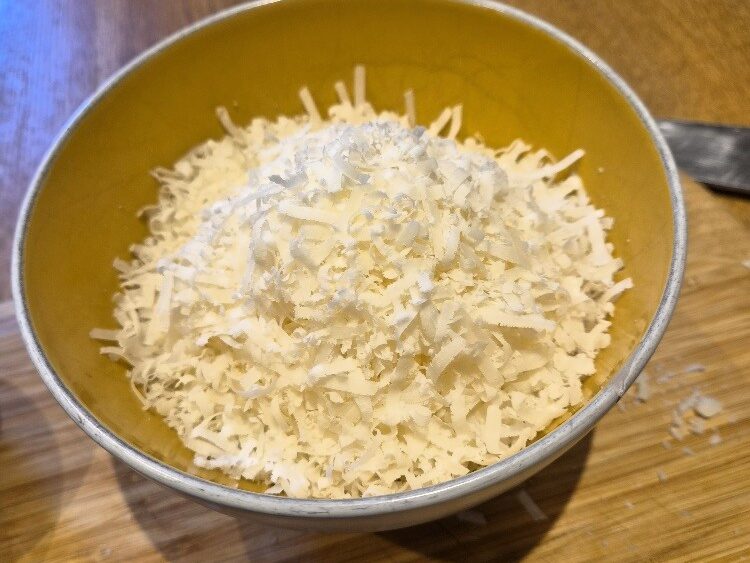
Now grate some Parmesan. You need enough for a good handful to go in the sauce, plus more to serve, if liked. We like a lot, so grated most of a small block – this also gave us some spare for the next day.
Next chop some parsley. See our herb Tip. We prefer flat leaf in this dish, but curly is fine. Again it is a key flavour, so we used most of a small bag.
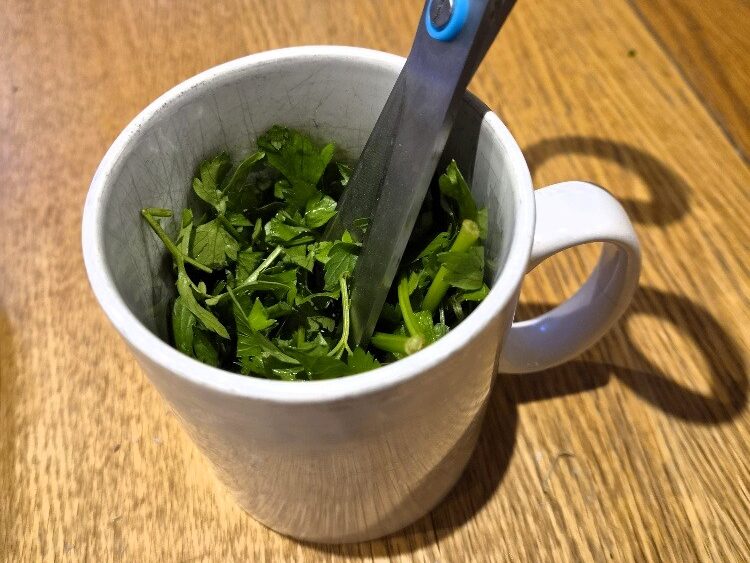
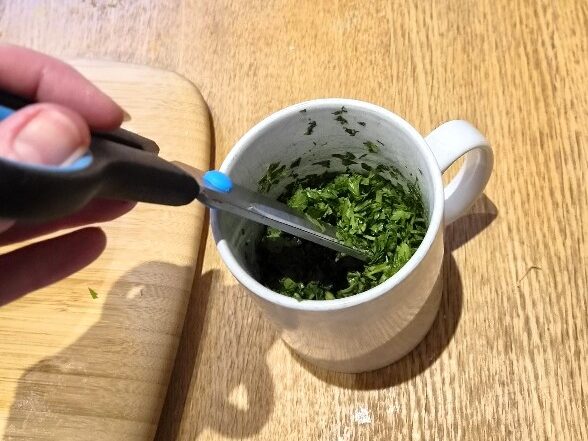
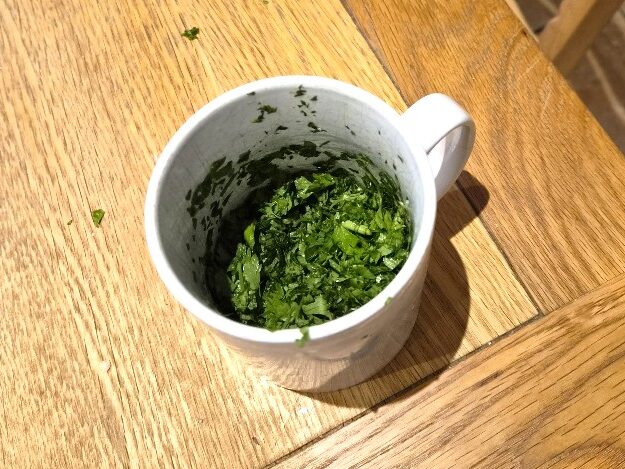
Your preparation is done.
Jake sticks his nose in
We keep the flavours in this dish very simple, to allow the beans to sing. We also like the flat, earthy & subtly savoury flavour of this simple combination. It’s also a nice contrast to some of our spicier, showier pasta sauces. But you could add a little lemon zest and/or juice if you like – the sauce will be less earthy, but brighter.
Making the broad bean sauce
Once your preparation is done, finishing the broad bean pasta is very quick. The longest timeline will be cooking the pasta – most long pastas take about 11 to 13 minutes to cook (but check the time on the packet). You’ll also need to allow time to bring a large pan of salted water to the boil. So, unless you are part-prepping the sauce ahead (see below), get the water on before you start the sauce.
We’ve given lots of tips for cooking pasta, especially long pasta, in previous recipes in our Cookery Course. So we won’t repeat them all here. Check out our previous recipes & pictures if you want a refresher or to learn more! See links below:
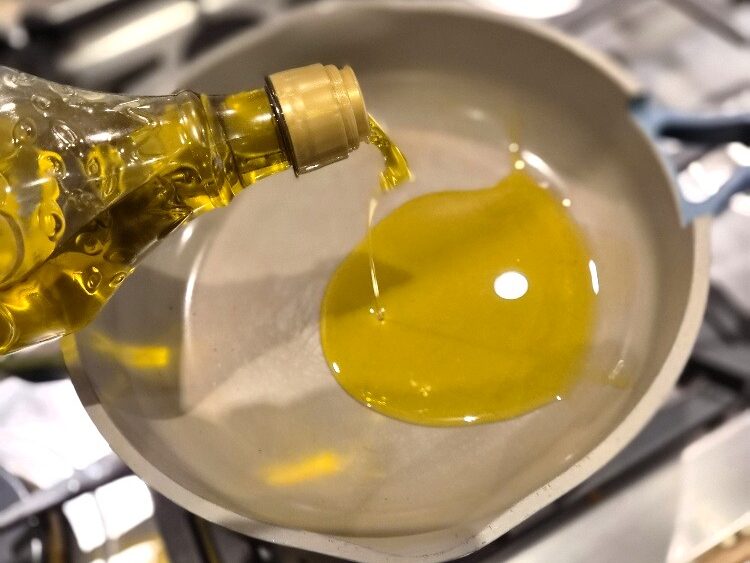
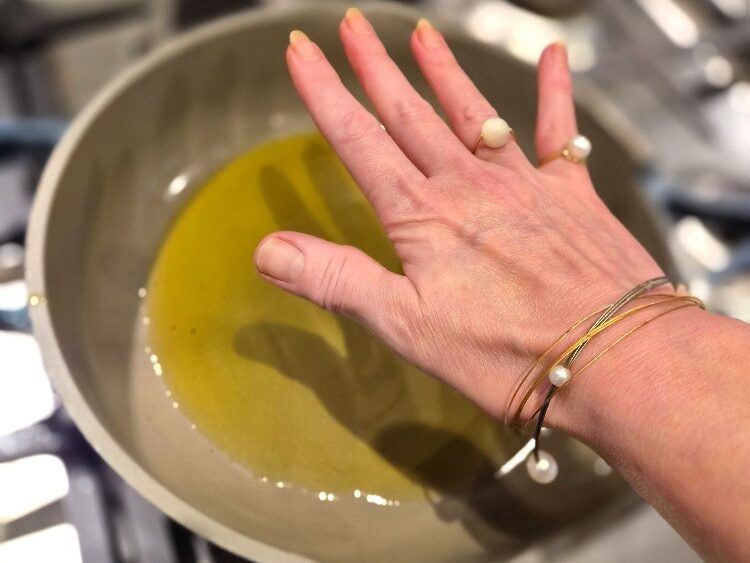
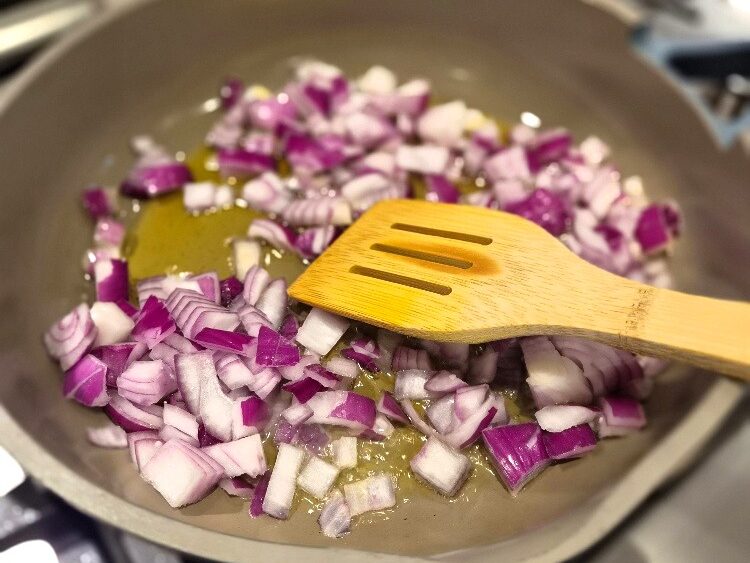
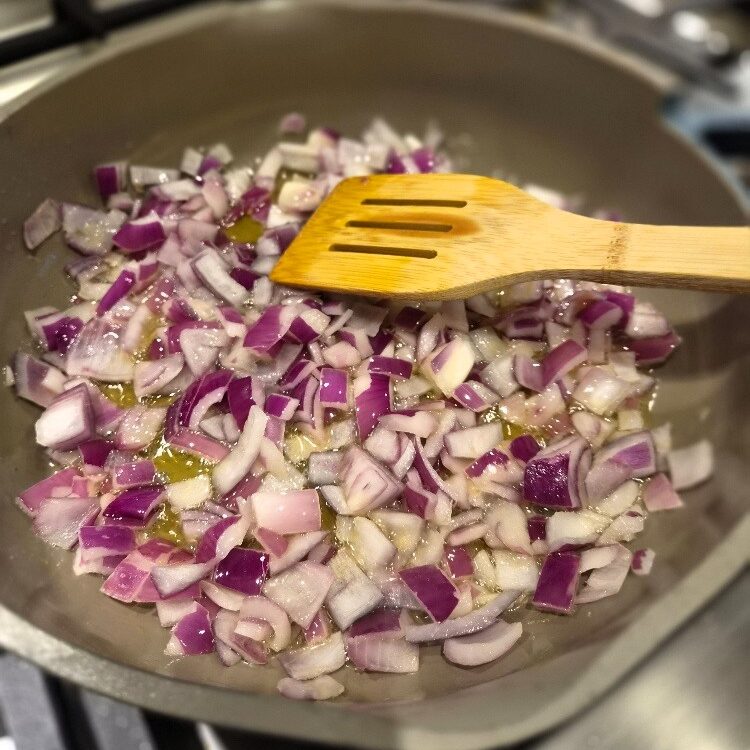
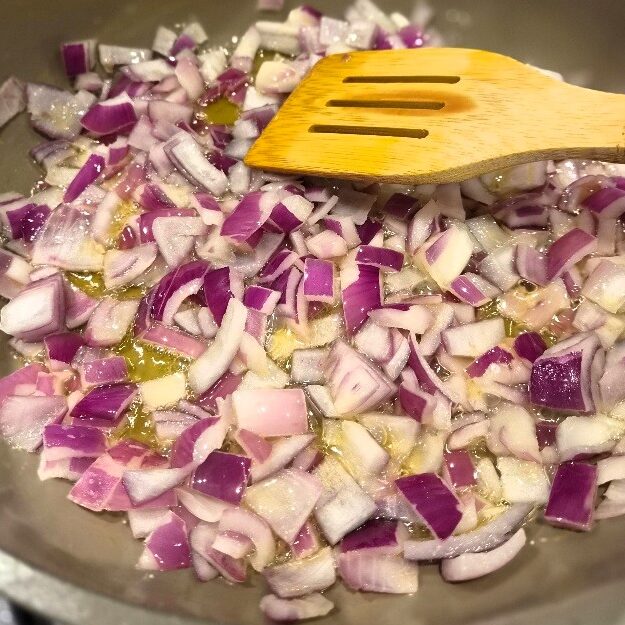
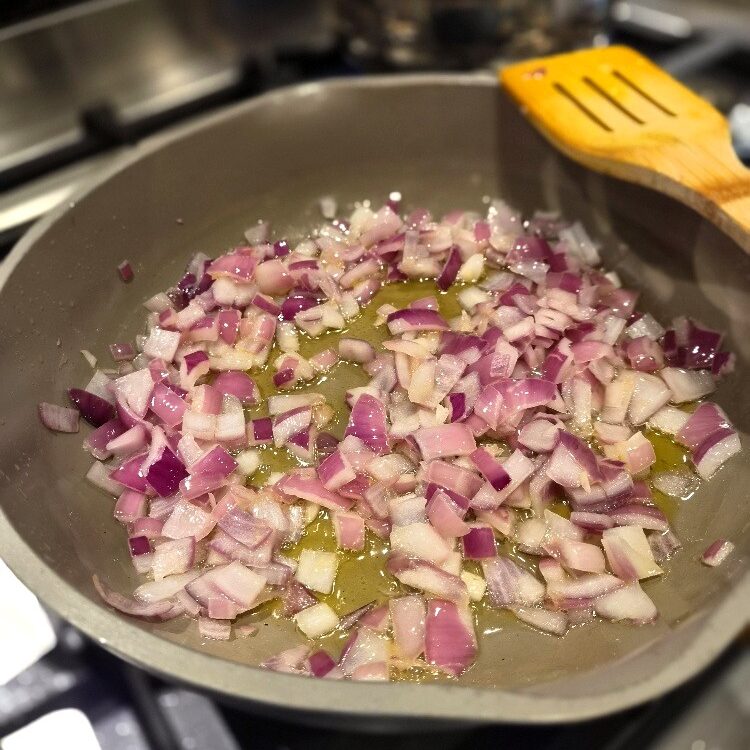
To make the broad bean sauce, first heat a little olive oil in a large saucepan over a medium heat. When the oil is hot – test it by hovering your hand above – add the red onion and stir, breaking out the pieces. You may want to turn the heat down slightly, as you now want to gently sweat the onions until they are soft and slightly translucent – about 5 minutes or so. They are done in the final picture below.
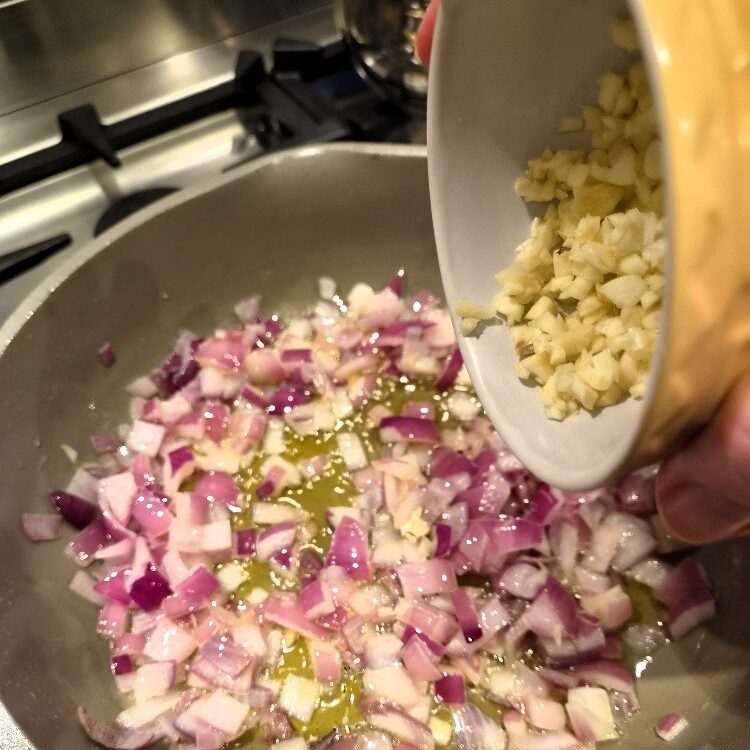
Now add the garlic and stir for a couple more minutes, until the garlic scent rises.
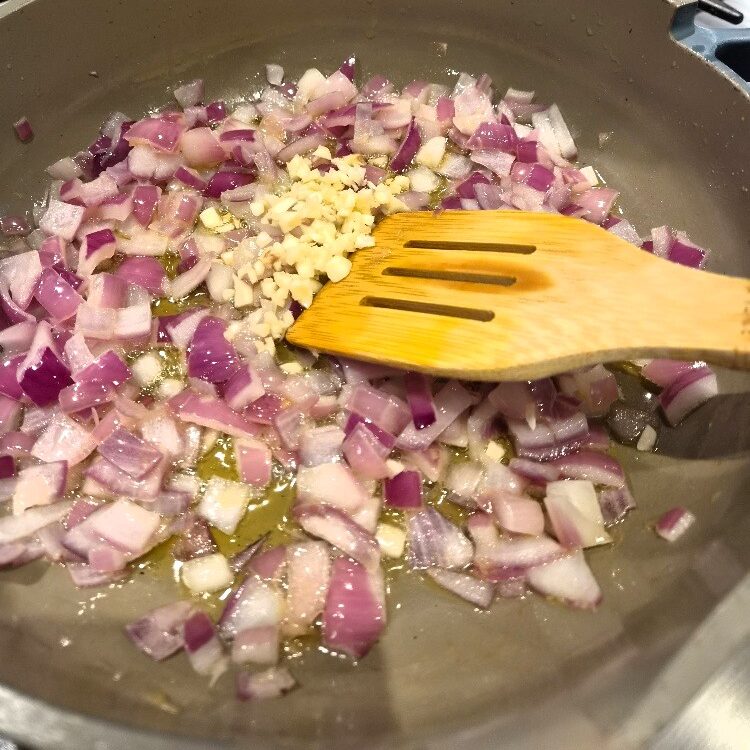
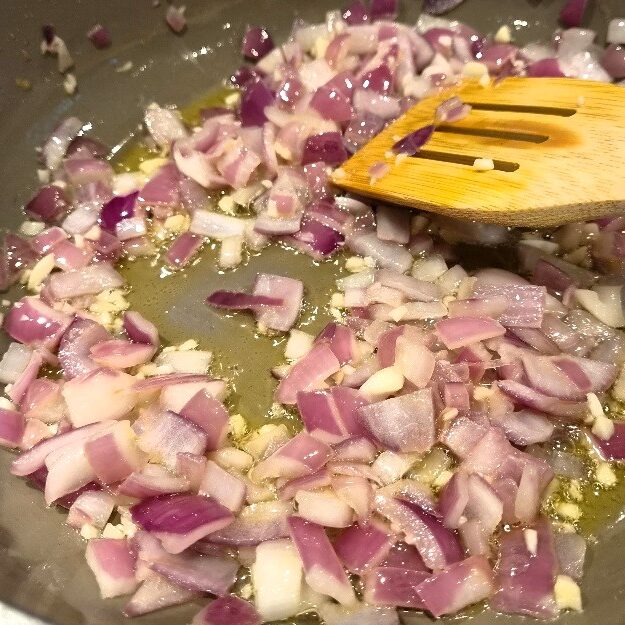
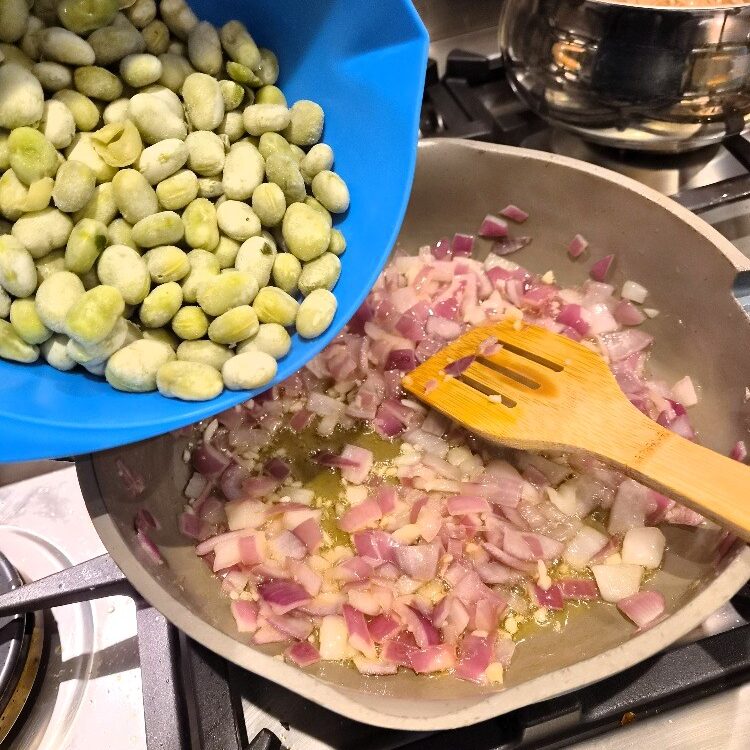
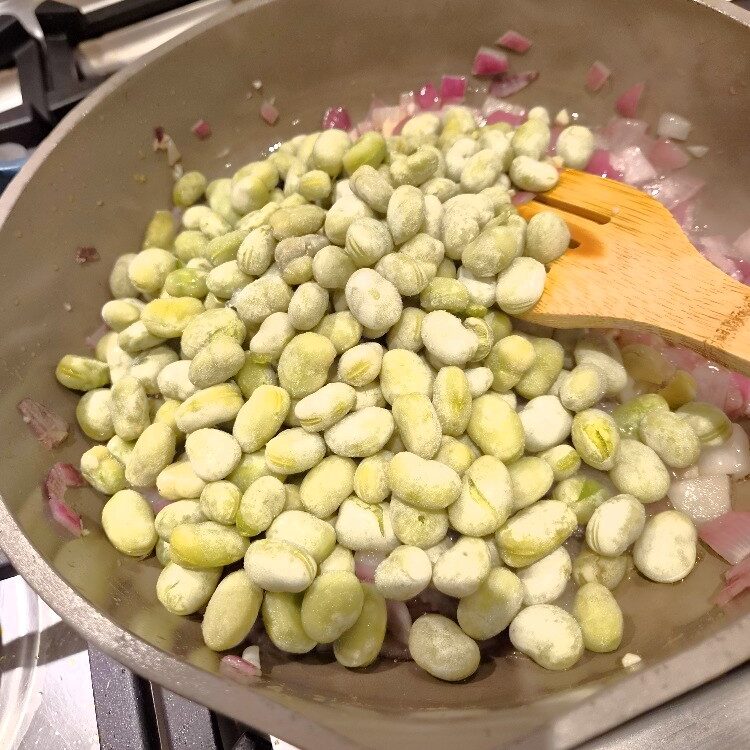
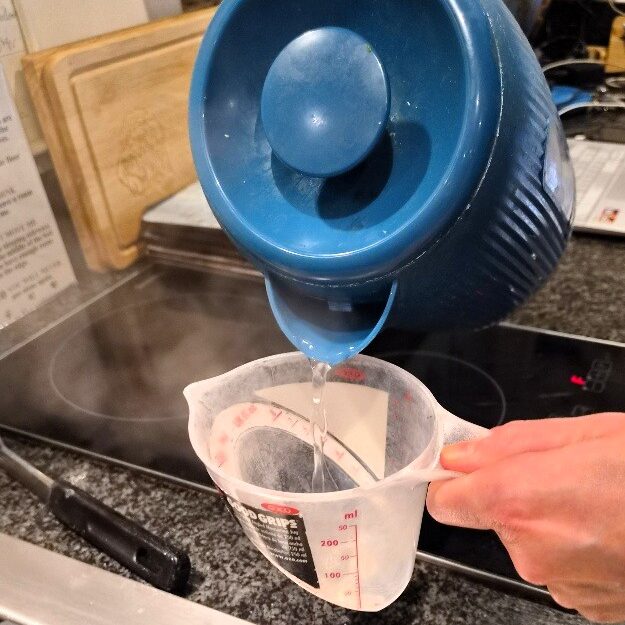
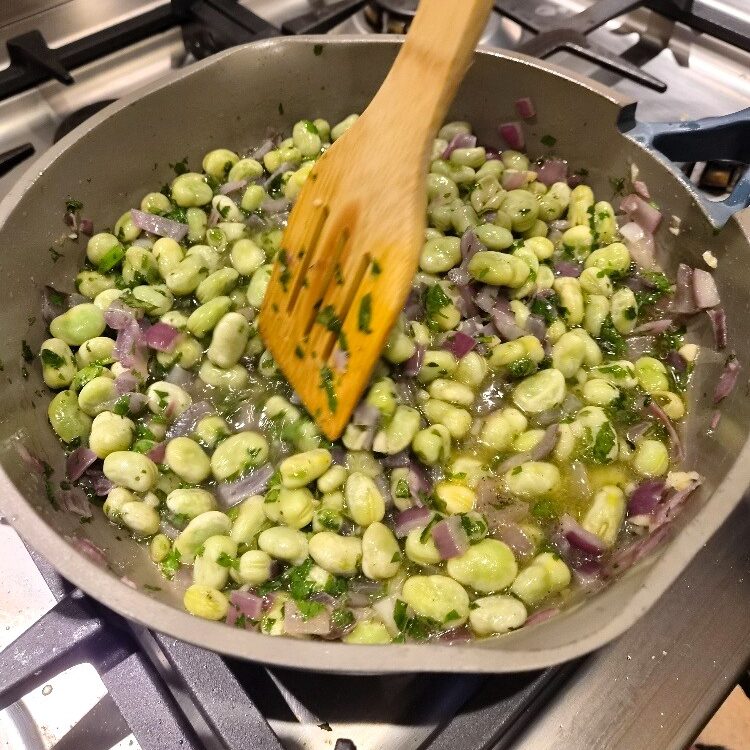
Next add the broad beans. Stir them in the warm oil until they are heated through, a few minutes. How long will depend on whether they are frozen or not; and, if frozen, how long they’ve had to defrost. Fresh beans will only need a toss or two in the oil; frozen ones will need to come up to temperature for a little longer. They will start to look a more vibrant green when ready, as you can see in the third picture below. The beans won’t be fully cooked at this point; we’ll be adding boiling water shortly. Put a kettle on with enough water in for 250ml.
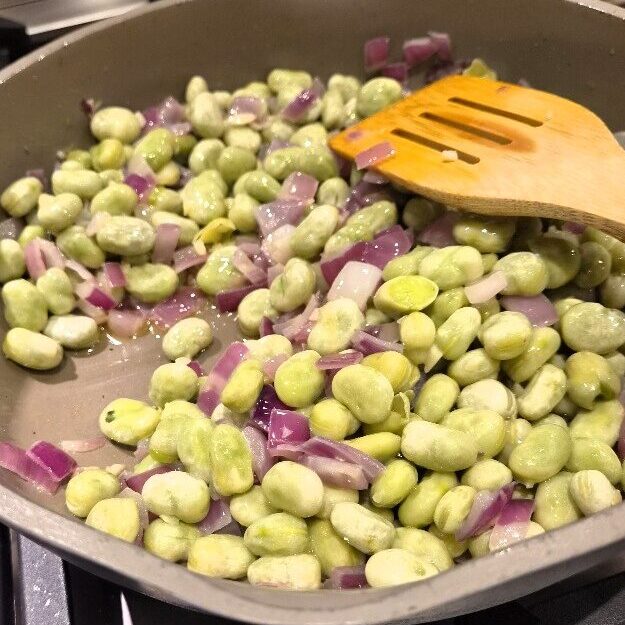
Add the chopped parsley, and stir again. Season well with black pepper and a little salt. You shouldn’t need too much salt as the Parmesan will also bring salty notes with it later.
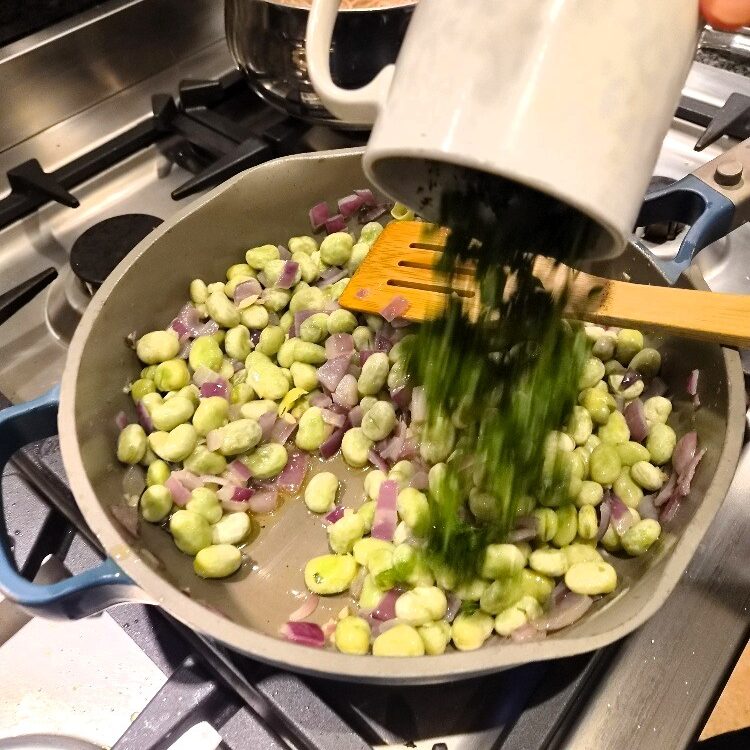
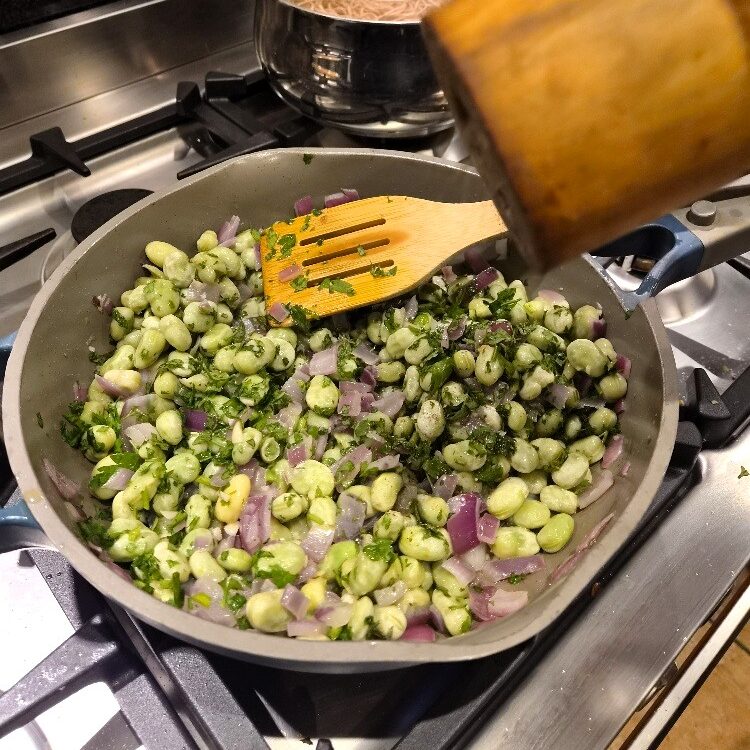
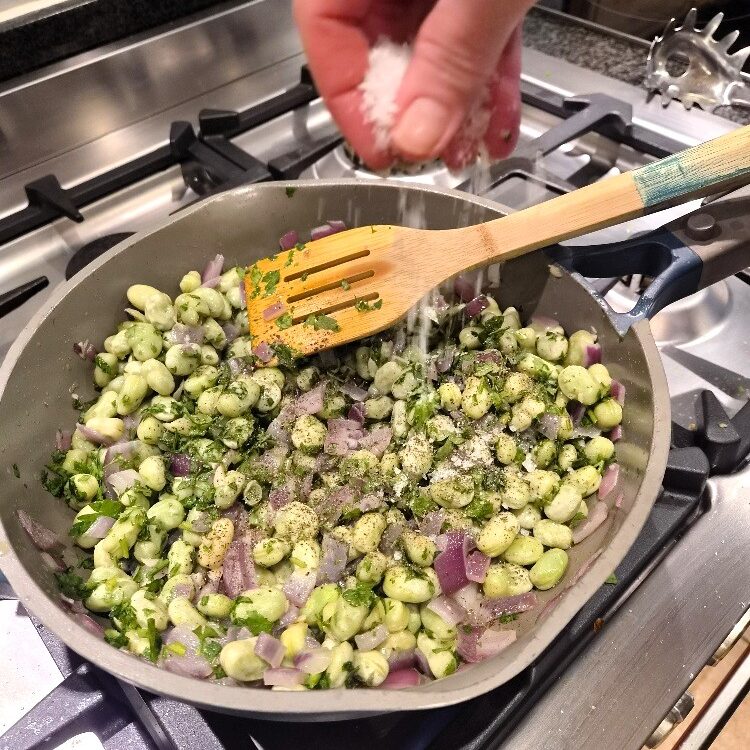
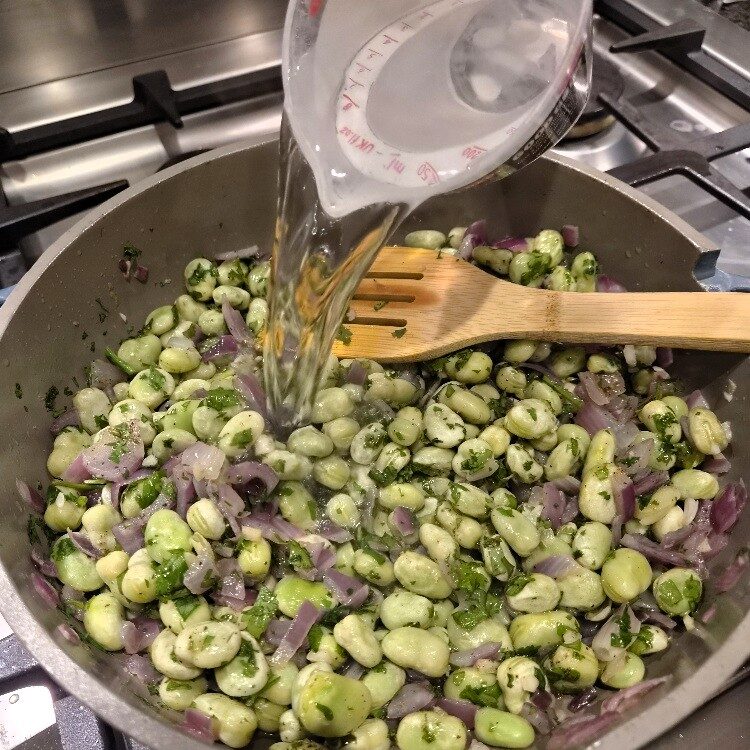
Next add 250ml of boiled water. Stir well.
Jake sticks his nose in
You now have a choice. You can pull the beans off the heat at this stage, cover with a lid and leave until you are ready to cook the pasta and serve. This is what we did today. Or you can carry straight on to finish the sauce. In that case, the pasta needs to go on to cook around when the onions & garlic have softened – i.e. just before you add the beans. It can then boil as you are cooking the beans and finishing the sauce.
Cooking the pasta & finishing the sauce
About 10 to 15 minutes before you are ready to serve, get the pasta on to boil. It needs to be cooked in a large pan with a lot of well-salted water, and that water needs to be at a rolling boil. So allow time for your water to come to the boil before you start to cook the pasta. How much pasta you need depends on how hungry you are, and also bear in mind that the sauce is simple but, with the beans, substantial. We normally portion pasta by eye, but if you want to weigh it, 80g to 100g per person is a good quantity to aim for. Use less per portion if serving as a starter.
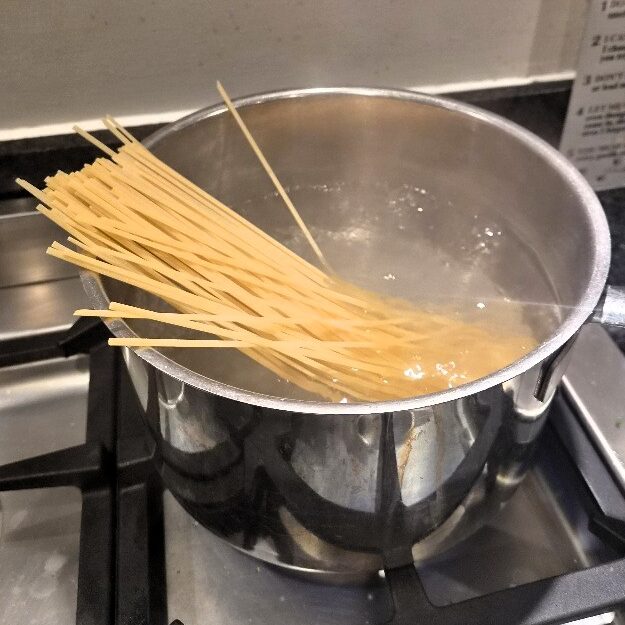
When the water is at a rolling boil, push the pasta down into it, then stir to ensure it doesn’t stick or clump. Keep the pasta at a rolling boil until it is done. Cook for the lower of the two times on the packet for al dente; the higher time for softer pasta.
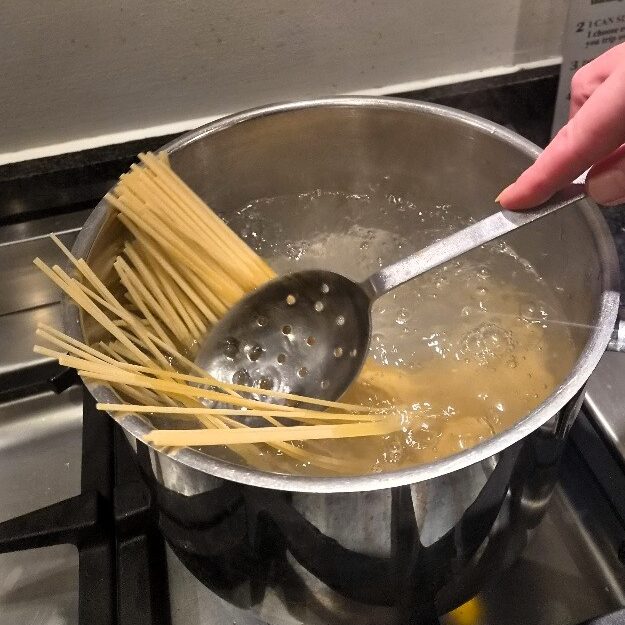
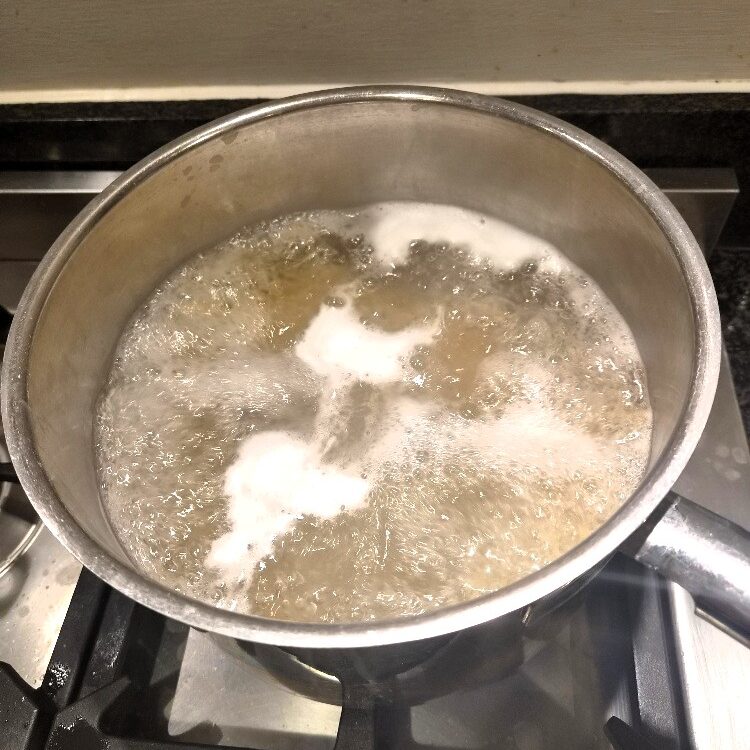
While the pasta is cooking, finish the broad bean sauce. Turn the heat up under the pan until the liquid bubbles slightly, then cook the beans until tender. This will take a few minutes – how long will depend on the tenderness of your beans and whether they were fresh of frozen. It is best to test one by biting into it.
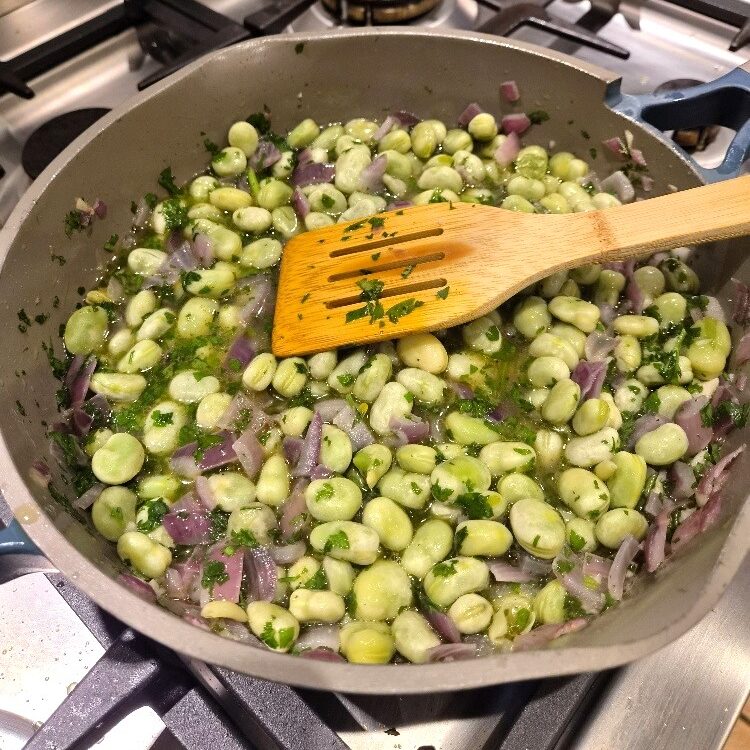
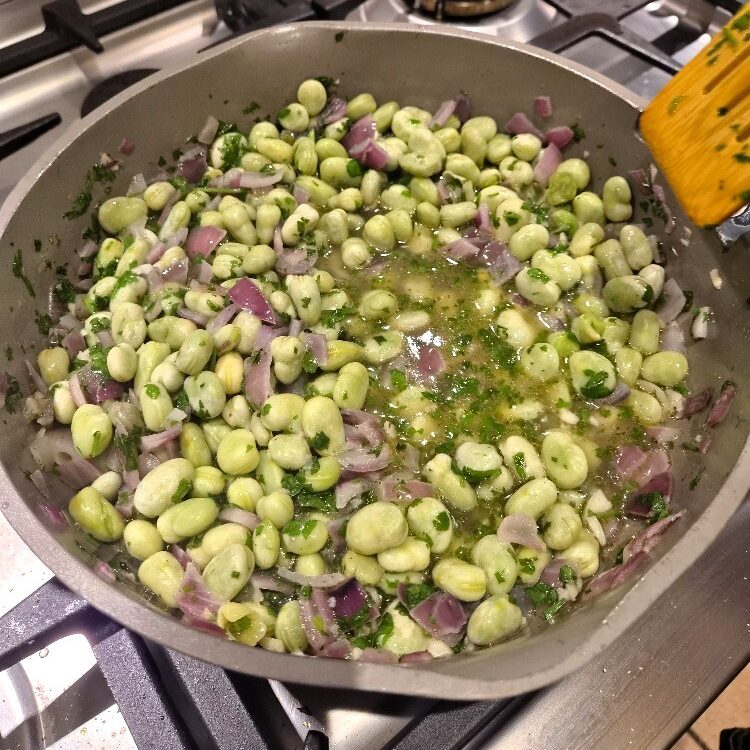
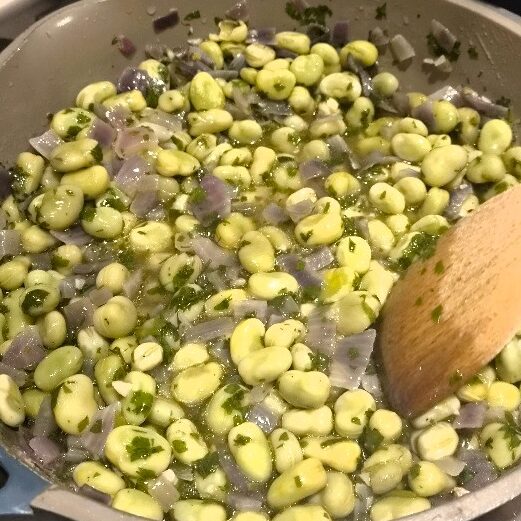
Once the beans are cooked, you need to make a two-texture sauce with them. This is a lovely technique that can be used in many sauces. You purée half the sauce, but keep the other half chunky. It gives a very pleasing textural contrast, but also enhances the flavour.
Spoon half the sauce, with as much of the liquid as you can, into the bowl of a food processor or blender. Pulse a few times into a coarse purée.
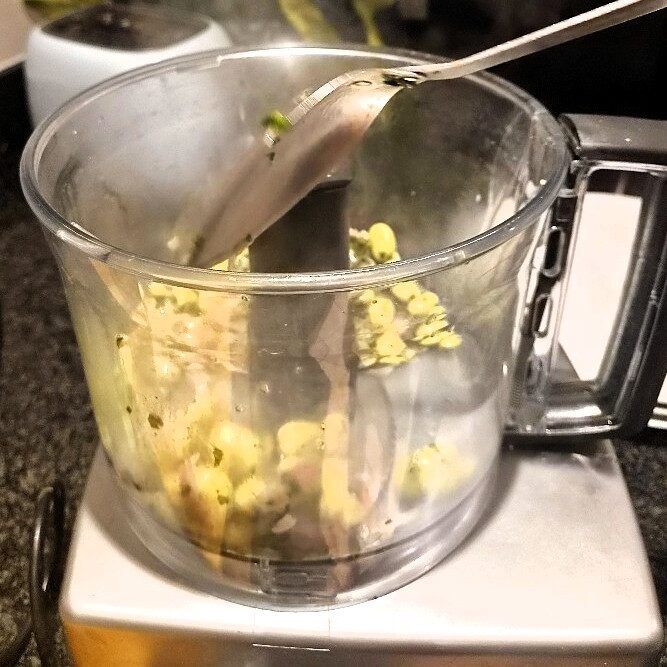
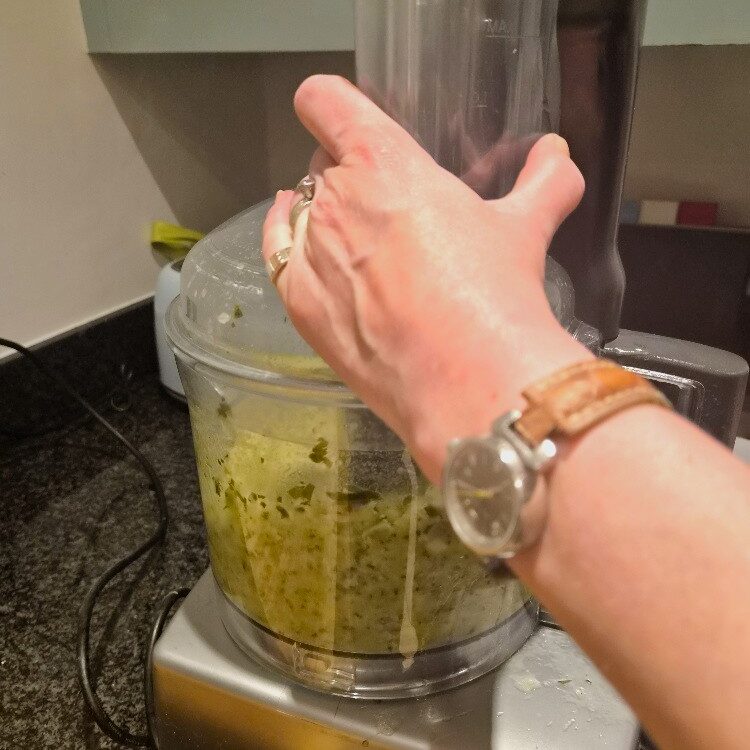
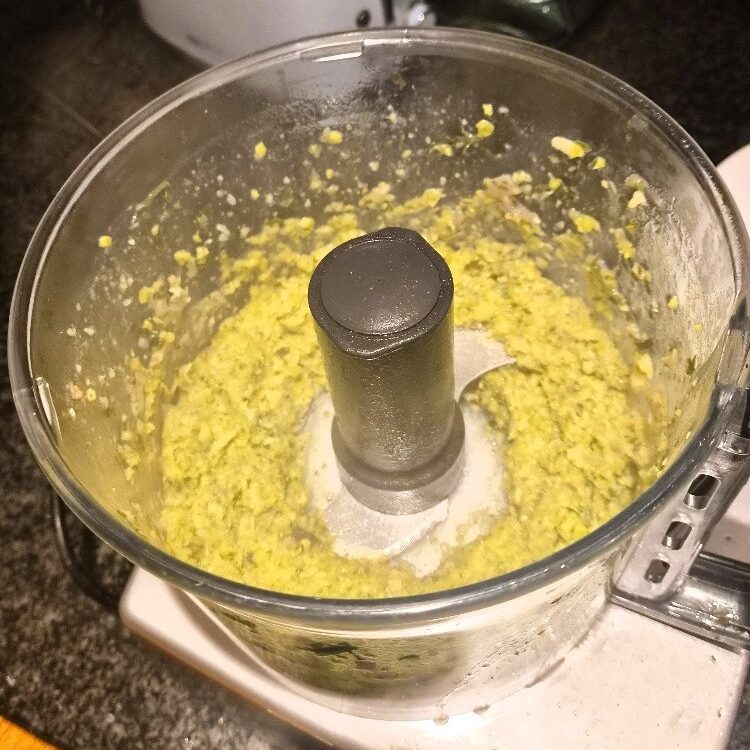
Now add the purée back into the pan with the whole beans and stir well to combine.
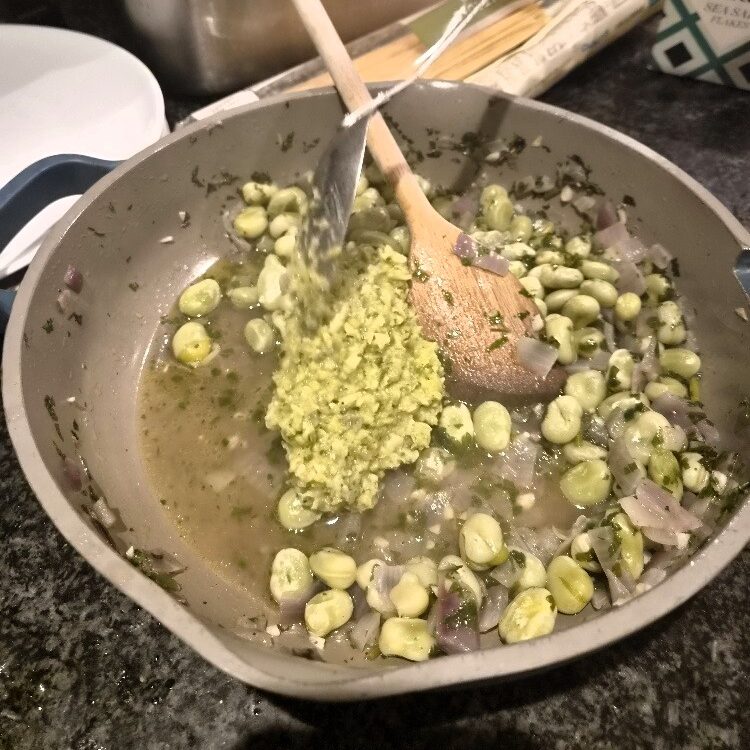
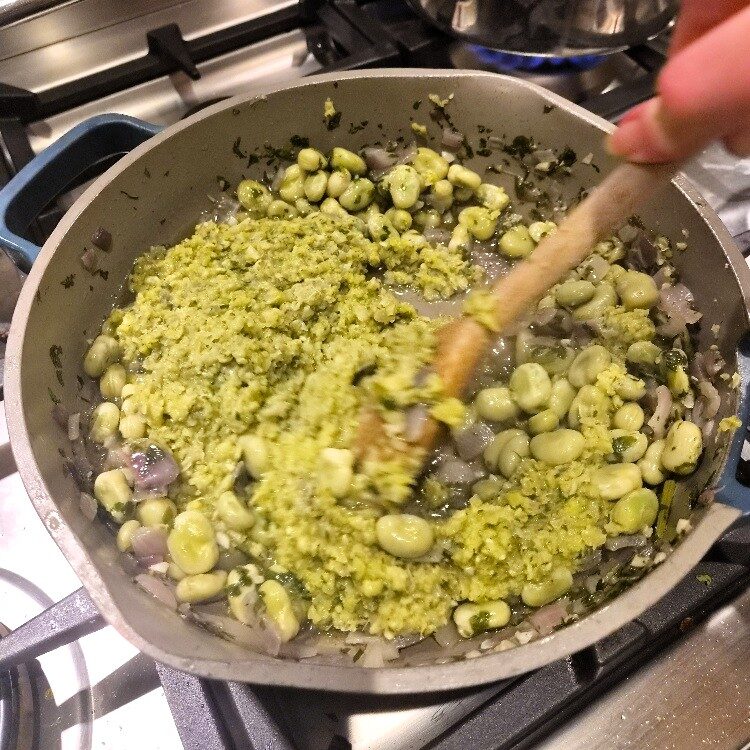
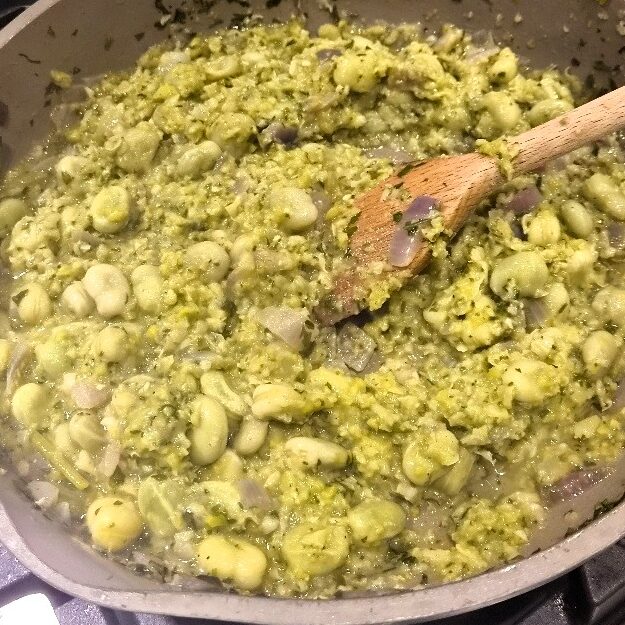
Add a good handful of Parmesan, and stir. Taste, then season with more salt or pepper, or add more Parmesan, if needed, to taste. Today we just added another grind or two of black pepper.
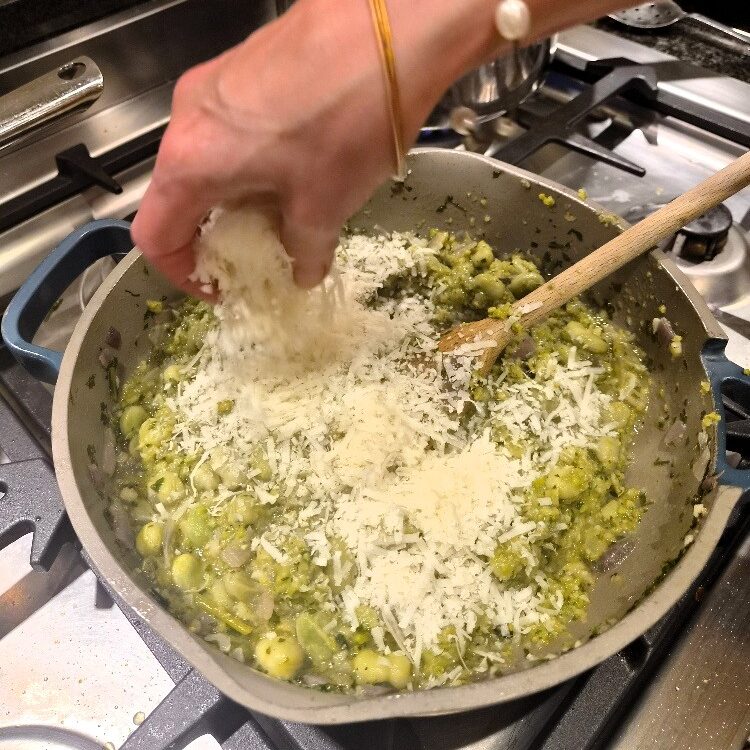
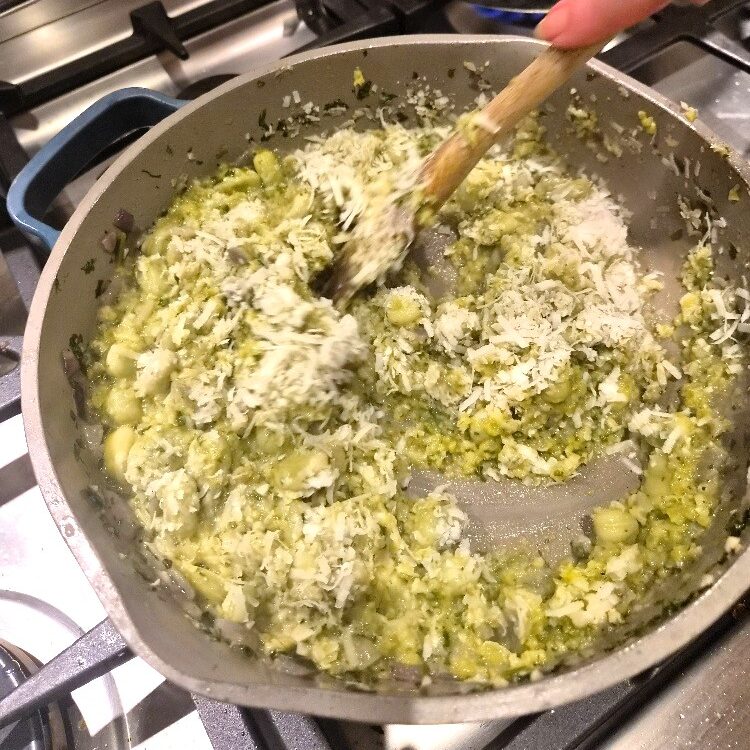
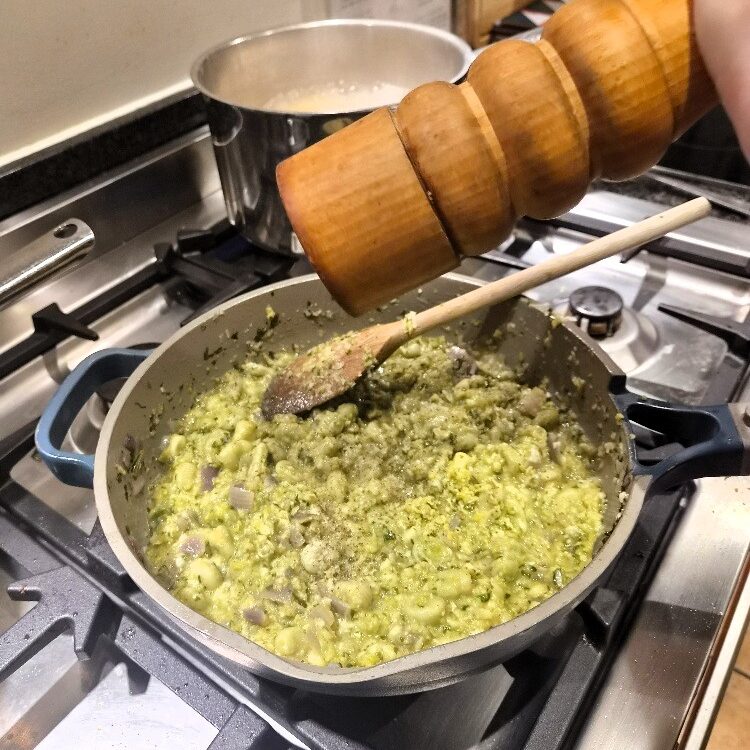
Your sauce is done.
At the lower of the two cooking times, test a piece of pasta for done-ness by biting into it. If it is done, drain and add back the the pan, over a low heat. If it needs longer, cook until the upper time on the pack.
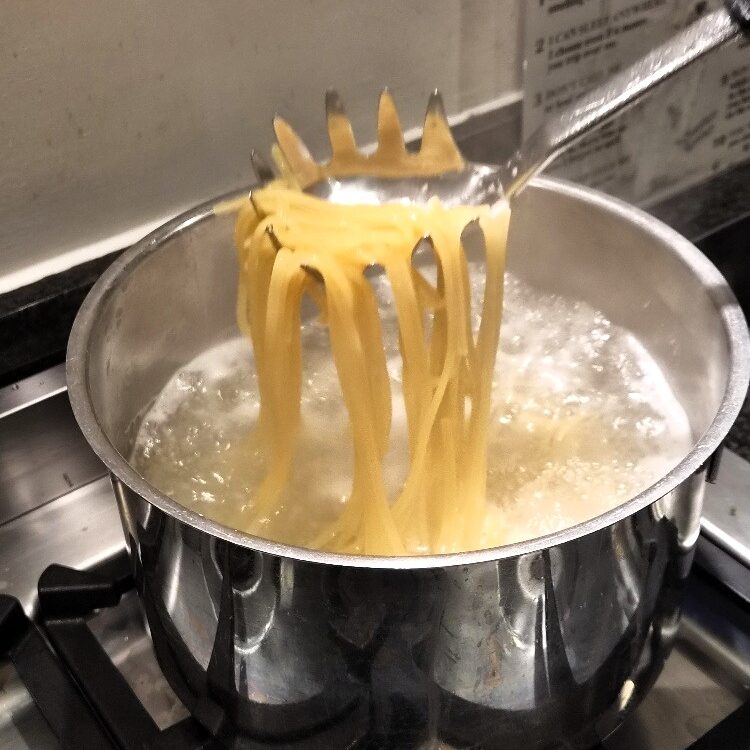
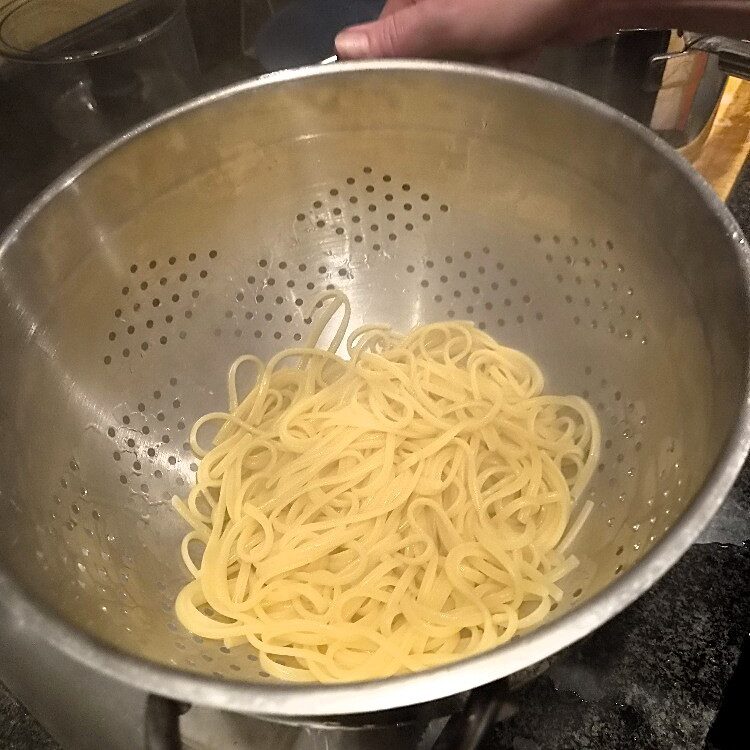
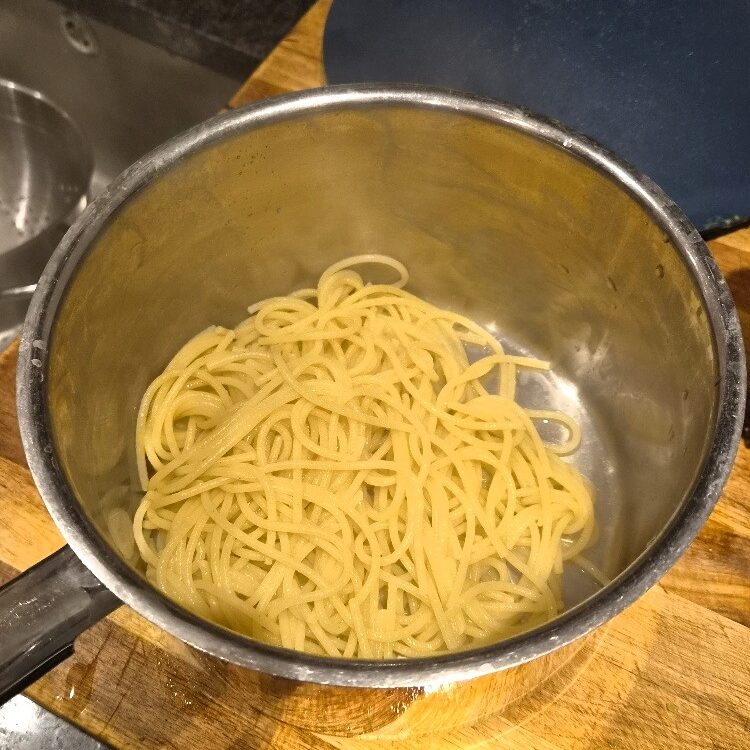
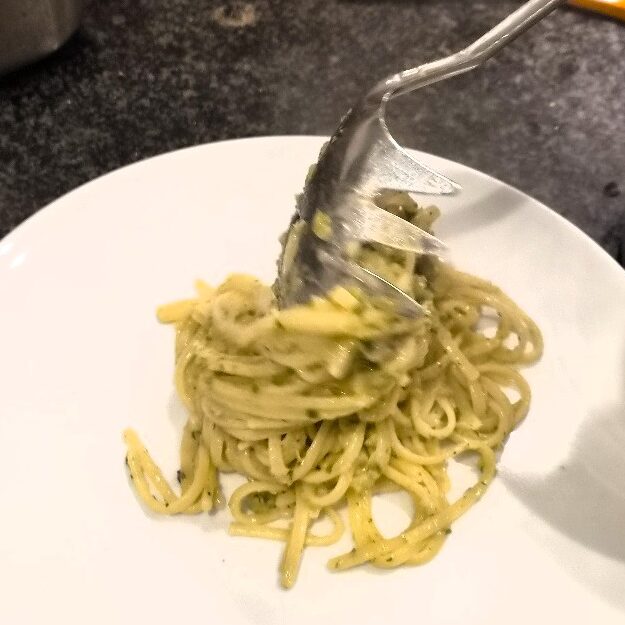
Add the sauce to the pasta and stir well to combine. It is normal for this pasta sauce to resist stirring in! Don’t worry, do the best you can – you can spoon more of the sauce over the pasta once plated.
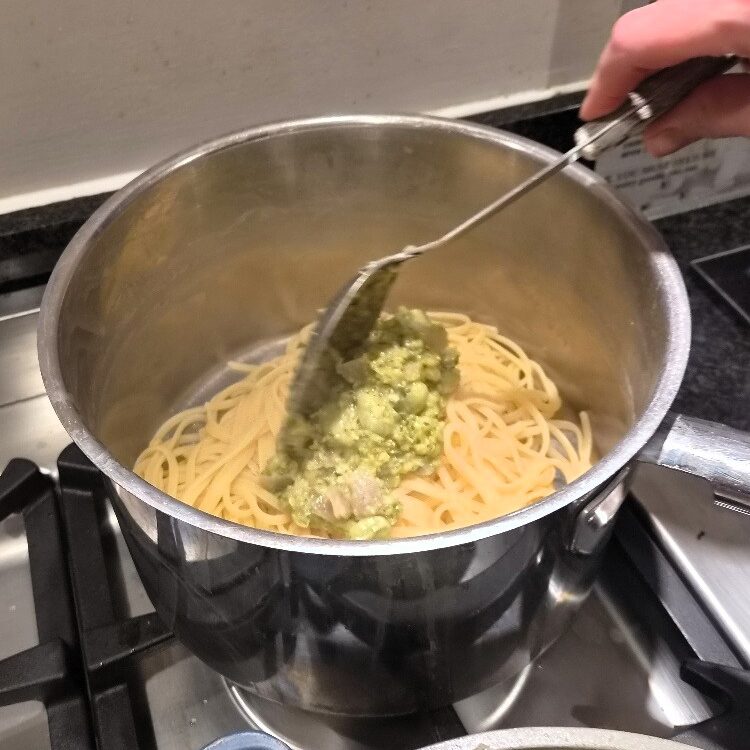
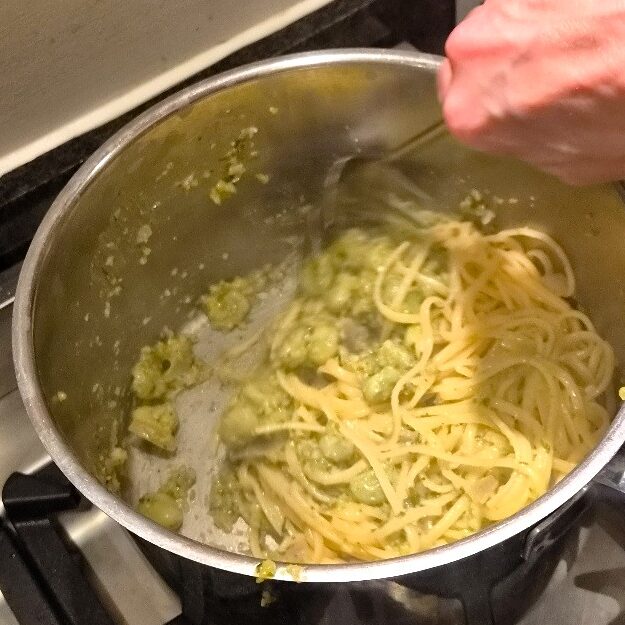
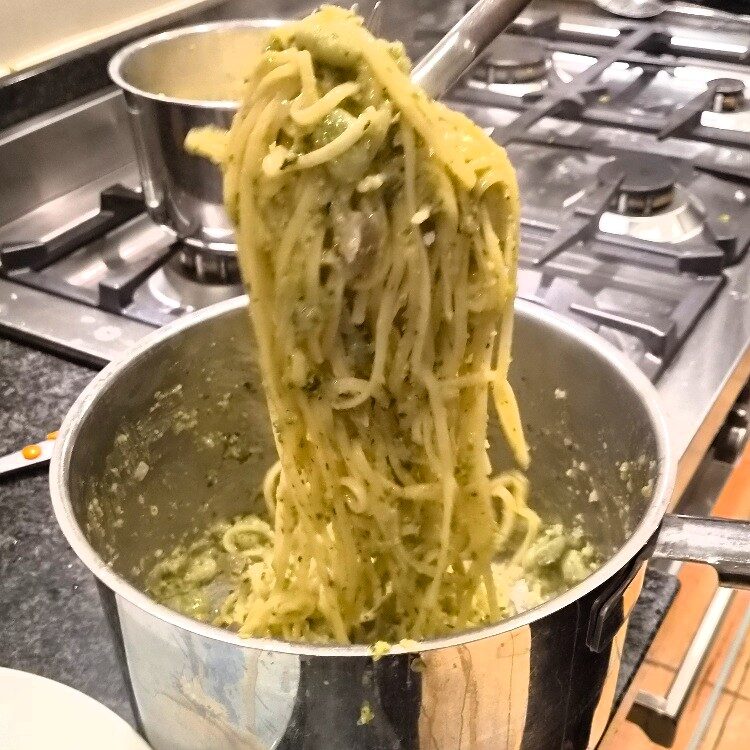
Plate the pasta – a pasta server makes this easier – and top with more of the broad bean sauce.
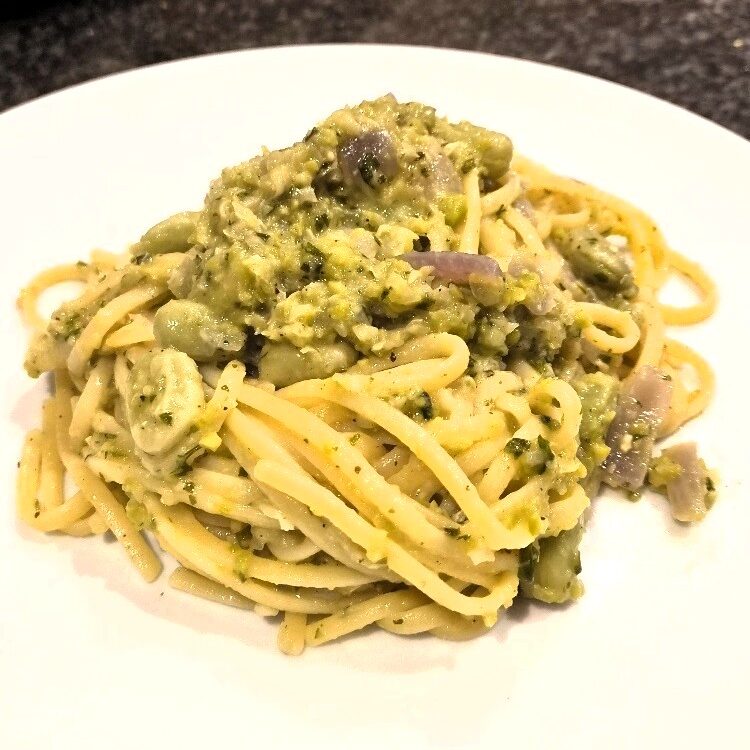
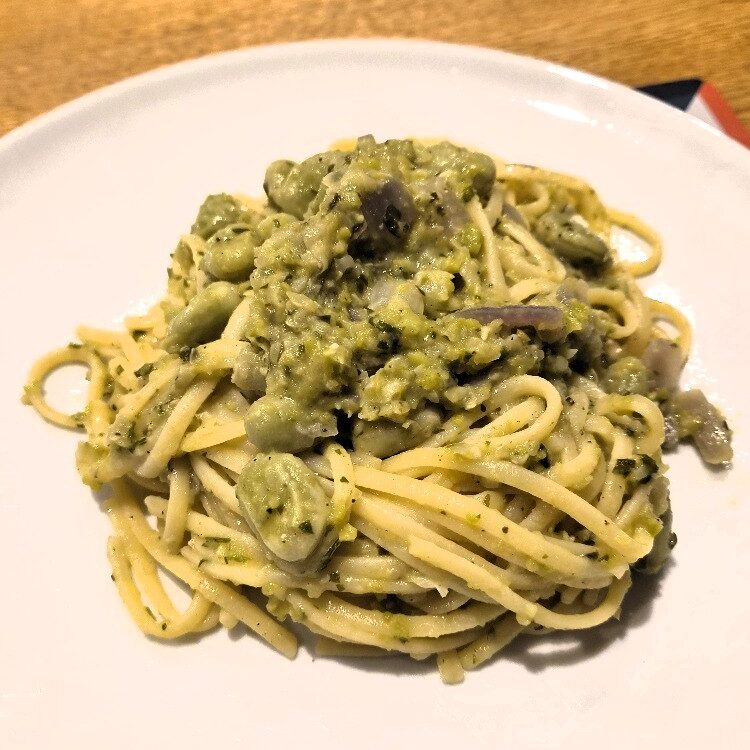
The broad bean pasta is good just as it is. Or you can top with more Parmesan, if liked.
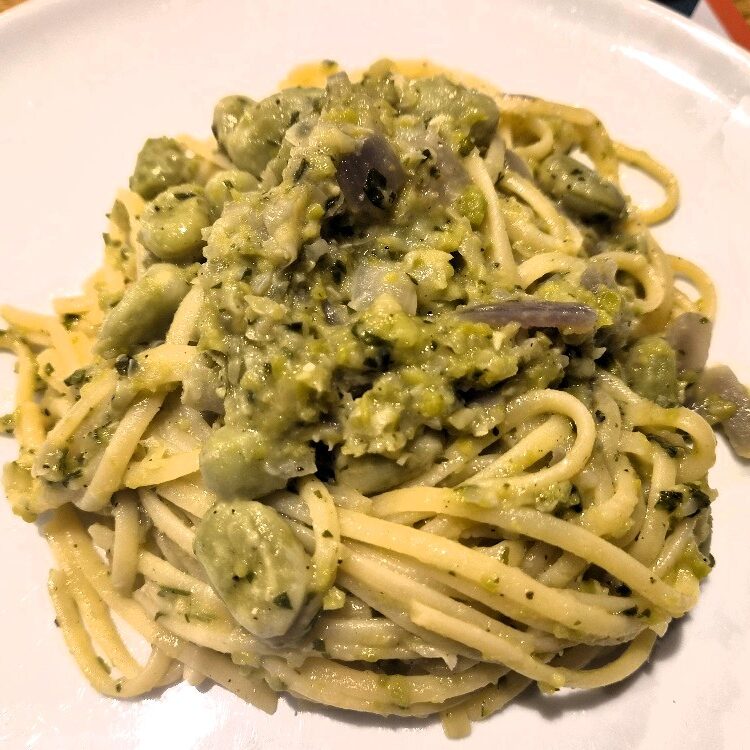
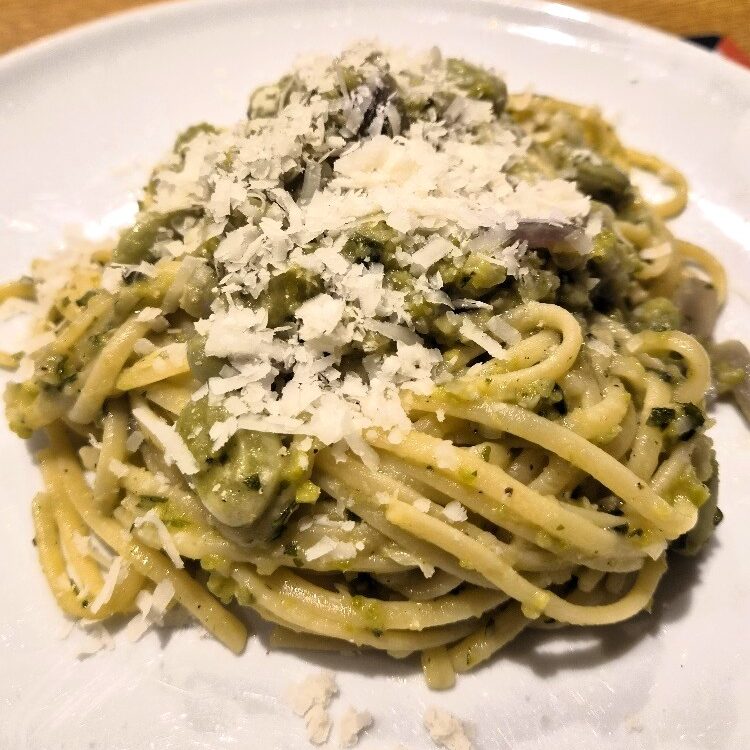
Enjoy your broad bean pasta!
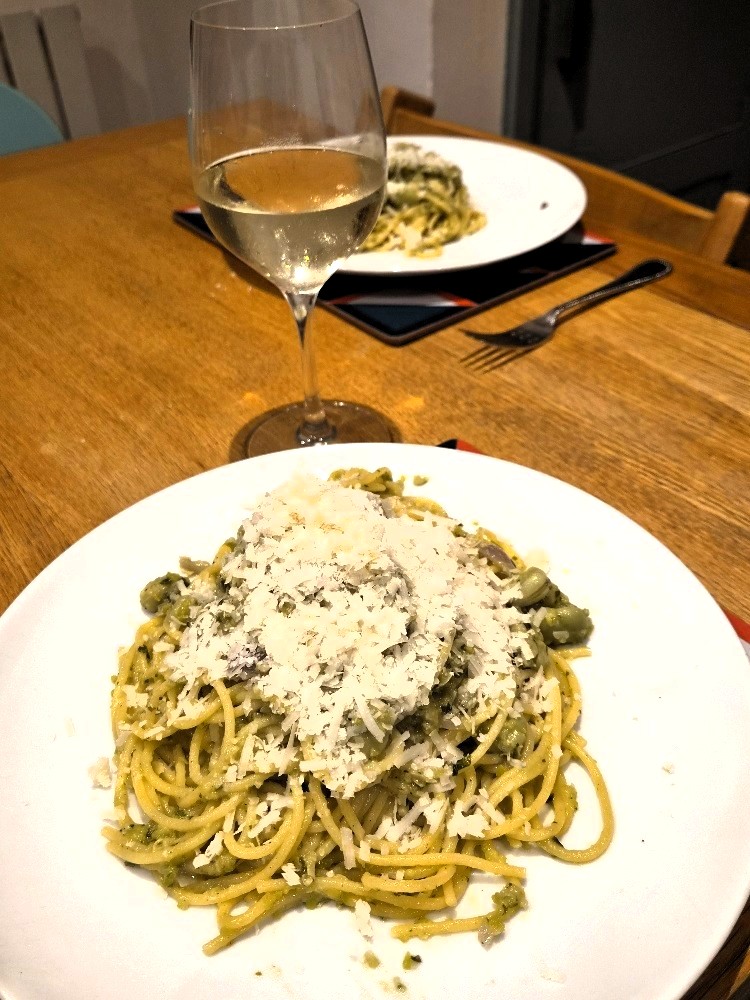
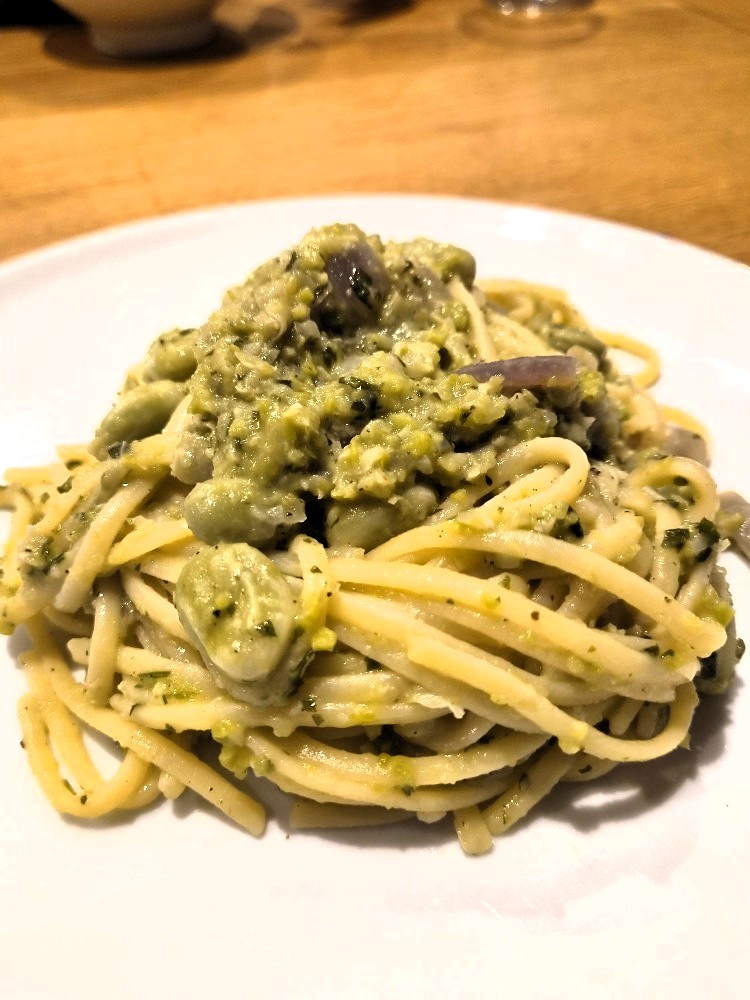
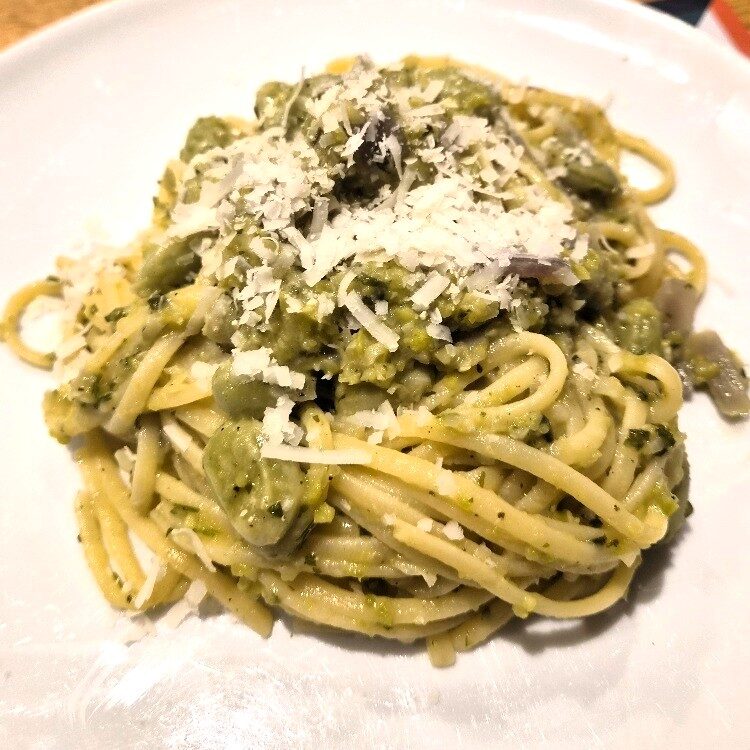
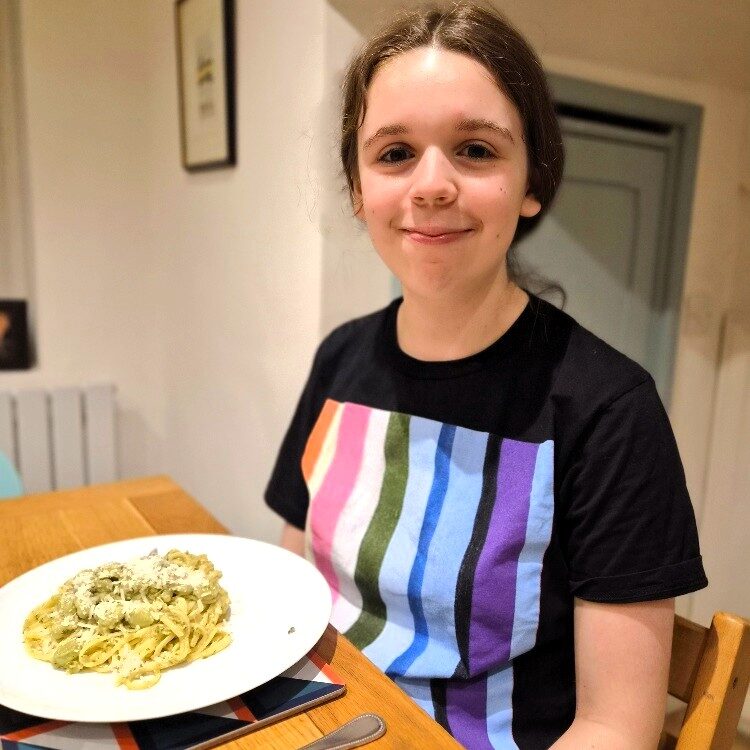
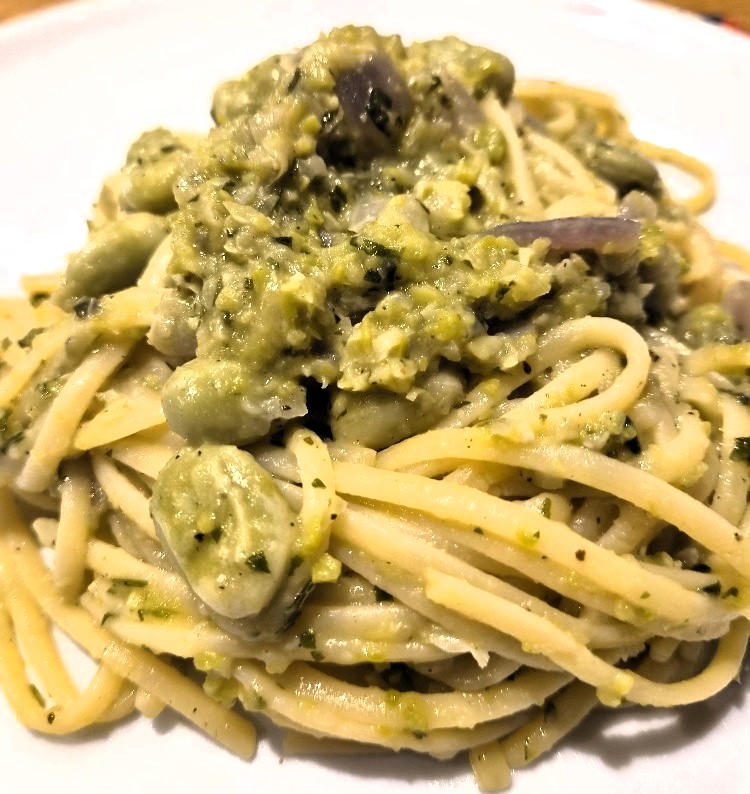
Our Best Broad Bean Pasta
Ingredients
Equipment
Method
- Weigh out the broad beans. If using frozen, it is a good idea to get them out about 30 mins before you plan to start cooking.
- Peel & chop the onion(s), medium fine. See our onion Tip. Also peel & chop the garlic, fairly fine. See our garlic Tip.
- Grate enough Parmesan to add a handful to the sauce, plus extra to serve, if liked. Set aside. Chop the parsley. See our herb Tip.
- Heat a little olive oil in a large frying pan, over a medium heat. When it is hot – test by hovering your hand over it – add the onions. Reduce the heat slightly, and fry until soft & slightly translucent, about 5 minutes. Add the garlic, and fry for another minute or two, until the garlic scent rises.
- Add the broad beans to the pan and stir in the oil until warmed through – this will take longer if your beans are frozen. Once warm, add the parsley and stir again. Season well with black pepper and a little salt.
- Add 250ml of boiling water and stir to combine.
- The sauce can now be taken off the heat and kept, covered, until you are ready to cook the pasta, finish the sauce & serve. Alternatively, you can carry on to finish the sauce straight away, in which case get your pasta on the cook when the onions have softened.
- About 10 to 15 minutes before you wish to serve, cook the pasta. You will need to allow time for your water to come up to a rolling boil in a large saucepan or pasta pan. The pasta should be cooked in a large quantity of well-salted, boiling water for the time stated on the packet, usually about 11 to 13 minutes for long pastas.
- When the water is boiling, push the pasta down into it and stir so it doesn't clump. Cook for the lower time for al dente and the higher time for softer.
- While the pasta is cooking, finish the sauce. Increase the heat under the beans until the liquid just bubbles. Cook for a few minutes until the beans are tender – test one by biting into it. How long this takes will depend on the tenderness of the beans, and whether they are fresh or frozen.
- When the beans are tender, spoon half the sauce into the bowl of a food processor or blender. Pulse a few times into a coarse purée. Add the purée back to the rest of the beans and stir well to combine. Add a handful of Parmesan and stir again.
- Taste, and adjust the seasoning with more black pepper, salt or Parmesan, as needed. The sauce is done.
- At the lower of the two cooking times, test a strand of pasta for done-ness by biting into it. If ready, drain in a colander or large sieve and return to the pan. Add the broad bean sauce, and stir to combine.
- Plate the broad bean pasta, spooning over more of the sauce. Top with more Parmesan, if liked.
- Enjoy!
Leave a Reply