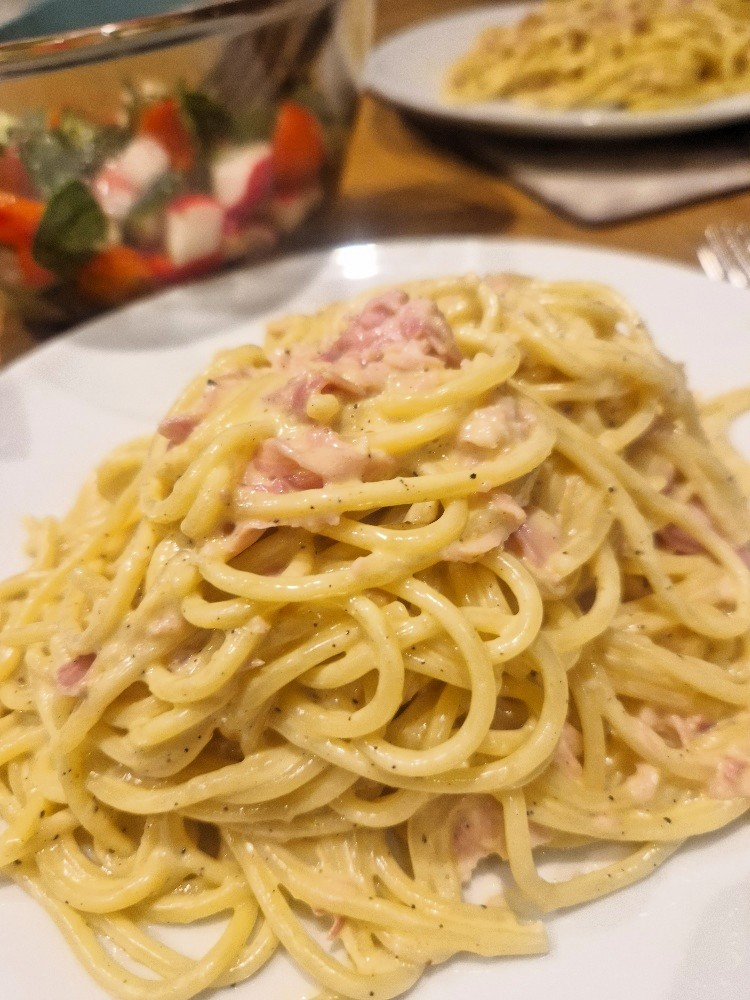

Being a student doesn’t mean you have to survive on instant noodles and fast food. If you want to eat well while keeping costs low, cheap, simple meals for students are the answer. With a little planning, some basic ingredients, and a few cooking skills, you can enjoy tasty, filling meals that won’t break the bank.
We, Emily and Estella, know how challenging it can be to cook as a student, with a limited budget, small kitchens, and minimal equipment. That’s why we focus on practical budget student meals, simple recipes, and strategies that make home cooking accessible for anyone living on a tight budget.
Whether you’re in a hostel, apartment, or shared housing, this low-cost weekly meal plan will show you how to eat nutritiously, save money, and develop lifelong cooking skills.
Why Students Need Cheap and Simple Meals
Students face unique challenges when it comes to food:
- Limited money: Eating out frequently is expensive.
- Time constraints: Balancing studies, social life, and cooking can be hard.
- Limited kitchen space: Dorms or small apartments may have minimal equipment.
- Nutrition needs: Busy students need energy to focus on their studies.
By learning cheap, simple meals for students, you gain control over what you eat, how much you spend, and how you manage your time in the kitchen.
Budget Student Meals: Core Principles
To create a successful low-cost weekly meal plan, follow these basic principles:
- Plan Ahead: List all meals for the week, including breakfast, lunch, dinner, and snacks.
- Buy Smart: Choose staples like rice, pasta, eggs, beans, seasonal vegetables, and frozen items.
- Cook in Bulk: Prepare larger quantities and store leftovers for later meals.
- Keep It Simple: Focus on easy recipes with few ingredients that can be reused in different dishes.
- Season Creatively: Use herbs, spices, and sauces to make meals exciting without adding cost.
Following these principles ensures your cheap, simple meals for students are both affordable and enjoyable.
Low-Cost Weekly Meal Plan for Students
Here’s a suggested weekly plan to help students stay on budget:
Breakfast Ideas
- Oatmeal with Fruit: Quick, filling, and inexpensive.
- Egg Toast: Protein-packed with whole-grain bread.
- Smoothies: Use seasonal fruits, milk, or yogurt.
Lunch Ideas
- Vegetable Stir-Fry with Rice: Fast and nutritious.
- Pasta with Tomato Sauce: Affordable and easy to prepare.
- Bean Salad: High in protein and fiber.
Dinner Ideas
- One-Pot Lentil Stew: Cheap, filling, and easy to make in bulk.
- Baked Chicken with Veggies: Simple oven or stovetop meal.
- Homemade Pizza on a Budget: Use store-bought base or flatbread with toppings.
Snack Ideas
- Popcorn: Low-cost and easy to make.
- Carrot or Cucumber Sticks: Healthy, cheap, and filling.
- Boiled Eggs: Easy protein boost.
Hostel Food Ideas: Cooking in Small Spaces
For students in hostels or shared accommodations, cooking can feel restrictive. Here are some tips for hostel food ideas:
- One-Pot Meals: Use a single pan or pot to cook rice, beans, and vegetables together.
- Microwave-Friendly Recipes: Steam vegetables or cook pasta in the microwave.
- Minimal Equipment: Rely on a saucepan, frying pan, and a few utensils.
- Reusable Ingredients: Choose staples like canned tomatoes, pasta, and frozen vegetables.
Even with limited space, you can practice cheap, simple meals for students that are tasty and nutritious.
Affordable Recipes Every Student Should Know
Here are some affordable recipes to master early:
- Rice and Beans: Protein-packed, versatile, and very cheap.
- Pasta with Garlic and Olive Oil: Quick, simple, and flavorful.
- Vegetable Stir-Fry: Use any seasonal vegetables for variety.
- Egg Fried Rice: Great for leftover rice and pantry staples.
- Oat Pancakes: Breakfast or snack that’s cheap and filling.
By practicing these recipes, students can rotate meals and avoid getting bored while sticking to a budget-friendly weekly meal plan.
Tips for Cooking Cheap and Simple Meals
- Cook in Bulk: Prepare meals for 2–3 days to save time.
- Use Seasonal Produce: Cheaper and fresher than out-of-season items.
- Repurpose Leftovers: Turn dinner leftovers into lunch or snacks.
- Invest in Basic Equipment: A saucepan, frying pan, and cutting board are enough for most meals.
- Experiment with Spices: Enhance flavor without adding cost.
These tips ensure your cheap, simple meals for students remain easy, nutritious, and fun to cook.
Benefits of Cheap, Simple Meals for Students
- Save Money: Home-cooked meals cost less than takeout.
- Eat Healthier: Control ingredients, reduce salt, sugar, and unhealthy fats.
- Learn Cooking Skills: Develop a foundation for future home cooking.
- Convenience: Bulk cooking and simple recipes save time and effort.
- Independence: Gain confidence in the kitchen and manage your own meals.
Even beginners can benefit from learning cheap, simple meals for students, creating habits that last long after student life ends.
Conclusion: Cheap, Simple Meals for Students
Learning to cook on a budget doesn’t have to be complicated. By focusing on cheap, simple meals for students, you can enjoy nutritious, delicious food while sticking to a weekly budget. Use basic ingredients, plan meals, cook in bulk, and experiment with flavors to make home cooking fun and sustainable.
Remember, the key to success is consistency. Practice daily, explore new recipes, and develop your low-cost weekly meal plan skills. With these strategies, students can eat well, save money, and gain lifelong cooking abilities, all while enjoying the independence of preparing their own meals.