

Emily & Estella first came across ‘pasta in brodo’ on holiday in Italy many years ago, and fell in love with its simple elegance, but still complex depth of flavour. Meaning ‘pasta in broth’ it comes in two main varieties. Pastina in brodo is tiny plain pasta (e.g., stelline or ditalini) cooked in stock, widely found across Italy and known as the ‘Italian penicillin’ for its comfort value when poorly. But our favourite, tortellini in brodo, is made with small stuffed pasta (usually with a cheese & pork or ham filling), and served in a deep beef or capon (chicken) broth.
Tortellini in brodo originates in the region of Emilia-Romagna, which must have one of the best and most delicious food heritages not just in Italy but in the world. Parmesan cheese, Parma ham, mortadella, balsamic vinegar and Bolognese sauce all hail from the region. All favourites of ours, but we personally think that tortellini in brodo is its unsung star, at least outside Italy.
Making it from scratch at home is time consuming and very skilful. You have to make fresh pasta; make a filling; fill, cut, shape & seal the tortellini (tricky!); then make a deep, clear capon or beef broth. Fortunately you can increasingly find the dish on UK restaurant menus these days, and we always choose it if we see it. But it’s also easy to replicate a much simpler version at home with store-bought ingredients.
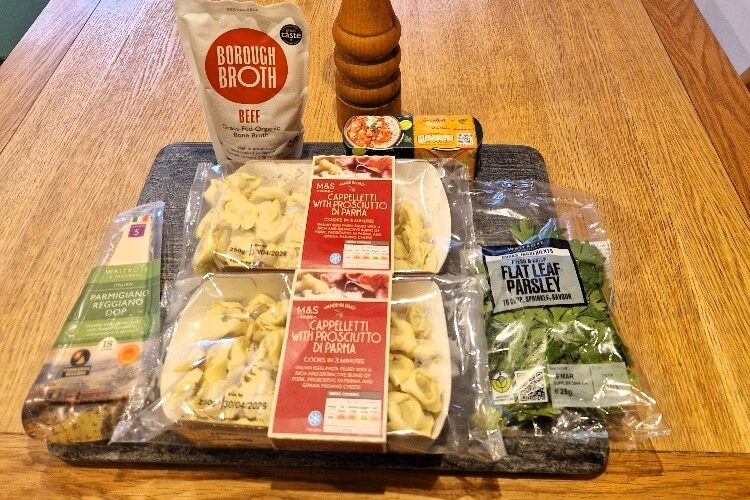
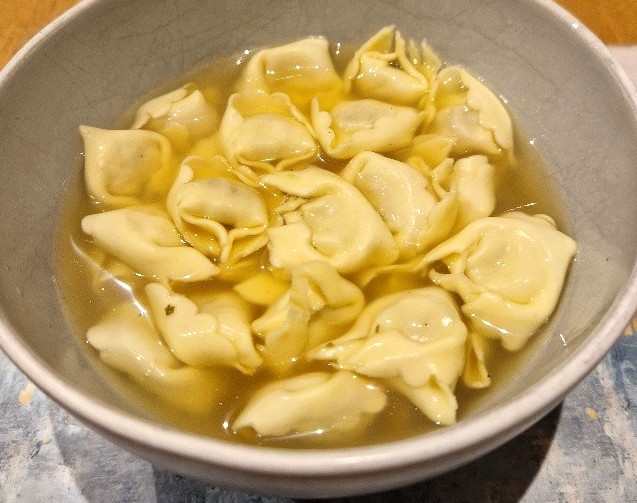
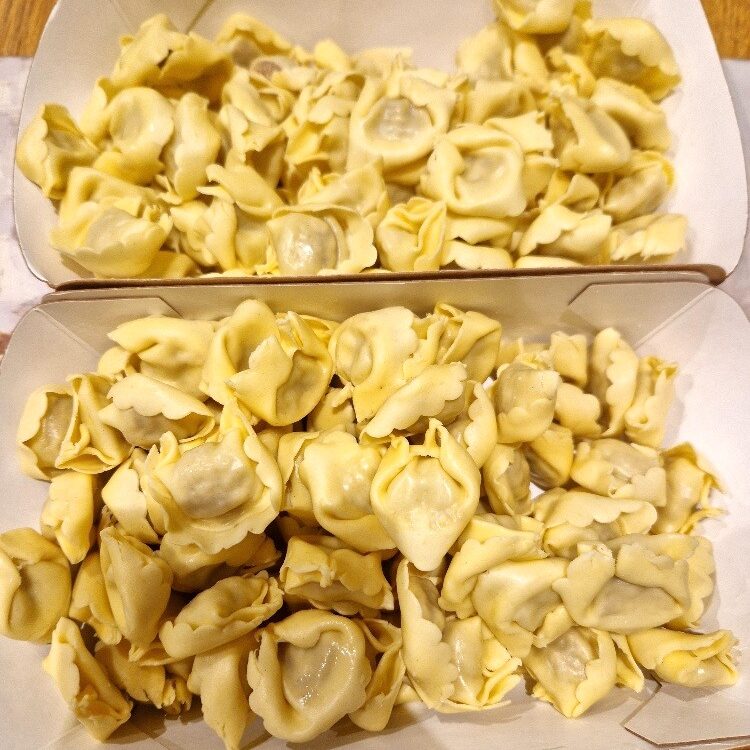
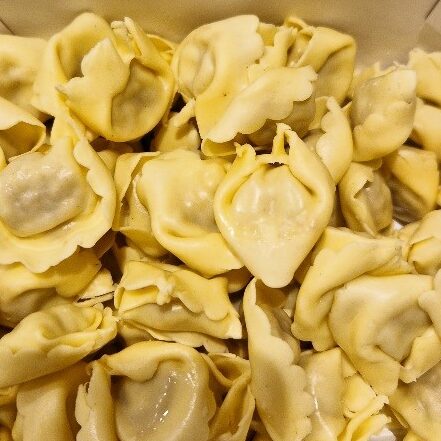
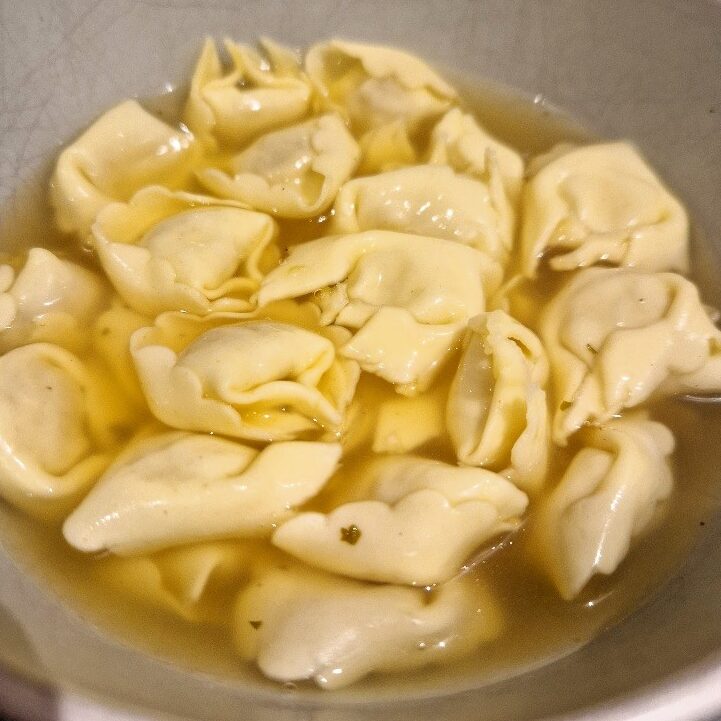
The tortellini shape of stuffed pasta would be traditional, but it is hard to find in the UK – certainly in supermarkets, though you might find it at Italian specialists. Don’t confuse it with its bigger brother, the widely available tortelloni – it’s the same ring shape, but larger and too big for this dish. You want a pasta shape that can be eaten in one mouthful. Fortunately, cappelletti are quite widely seen in supermarkets and are very similar to tortellini – they normally have the right sort of filling blend, ham and/or pork and parmesan, too. You can see the shape and size of the cappelletti below.
The other key element is the broth. We like to use a high quality bone broth as it’s lower fat, less salty and higher protein than the usual fresh stock – but it is expensive (as, to be fair, is most good quality fresh stock, too). It’s also a little thick, so we use a combination of bone broth and packet stock cubes – we like the jellied ones, often called ‘stock pots’, that give a good result, but are still very inexpensive. We find using beef broth mixed with chicken stock gives the right balance of light but still complex flavour. You could use jellied stock cubes alone to save money – this would still give a very good result. But we would suggest using half chicken cubes and half beef cubes.
You need about 500ml of stock per portion. If using cubes, you’ll need to work out how many you need – usually one per 500ml, which makes the maths easy! Today we were making pasta for three, and used two 2-person packs of pasta, and just under 2 litres of broth/stock in total. (Yes, we are greedy! We could of course have left a portion of pasta back for another day.) So we used one pack of beef broth, and three stock cubes, diluted.
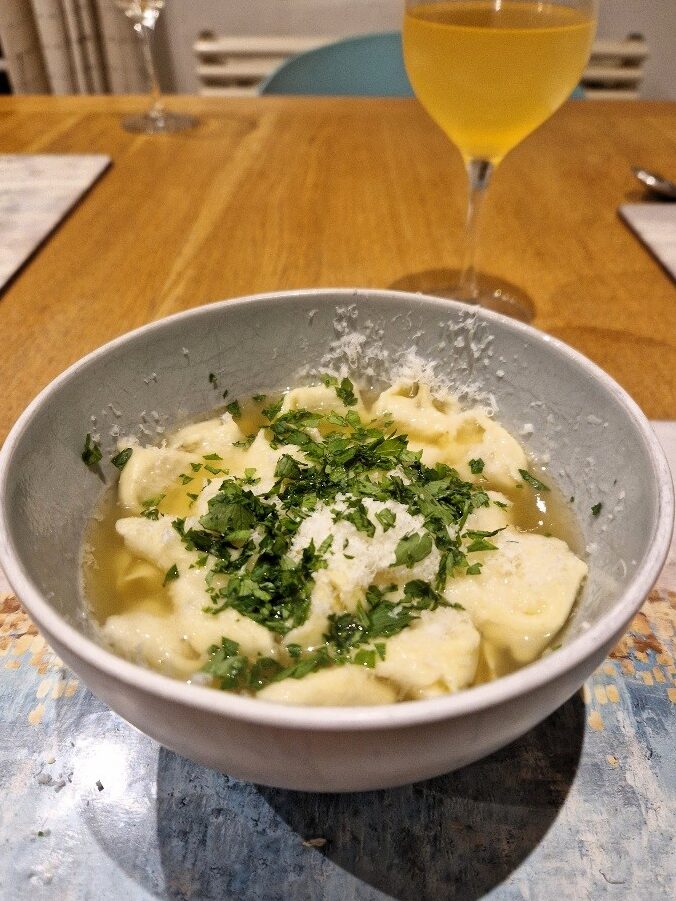
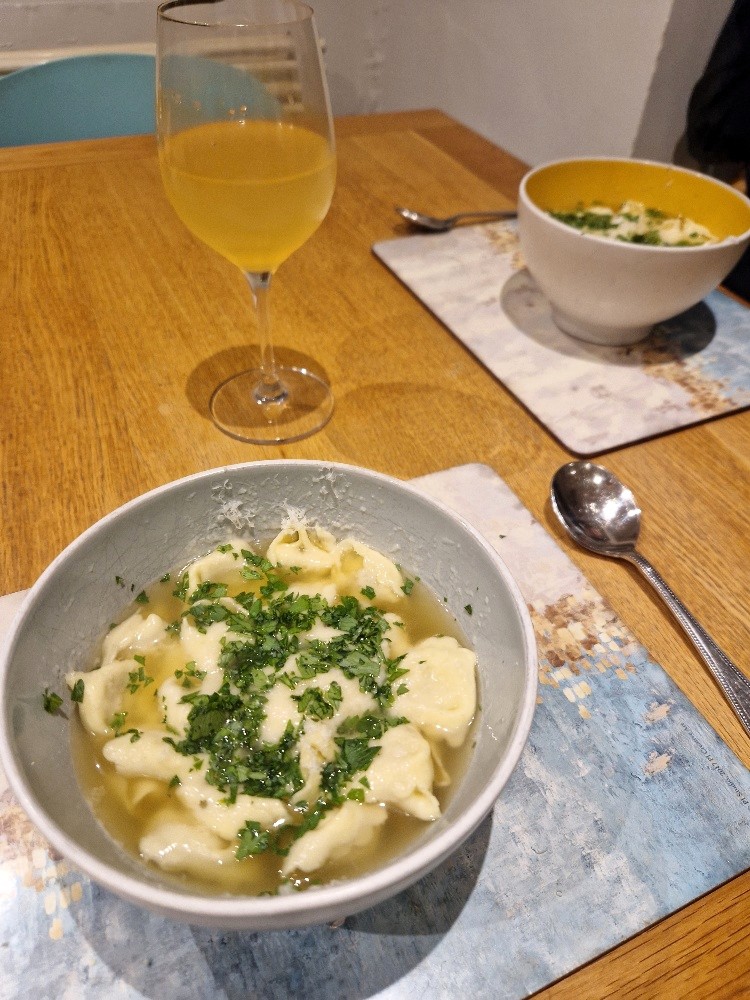
The pasta in brodo is traditionally served very simply with just a little grated parmesan. Some sources suggest a swirl of olive oil is traditional too, but we don’t recommend this – we think it ruins the lightness of the dish. We do, however, like to add a little chopped parsley, for some freshness.
This recipe is super-quick to cook, so you’ll need to have all your ingredients to hand, prepped, plus your equipment and serving items, before you start cooking.
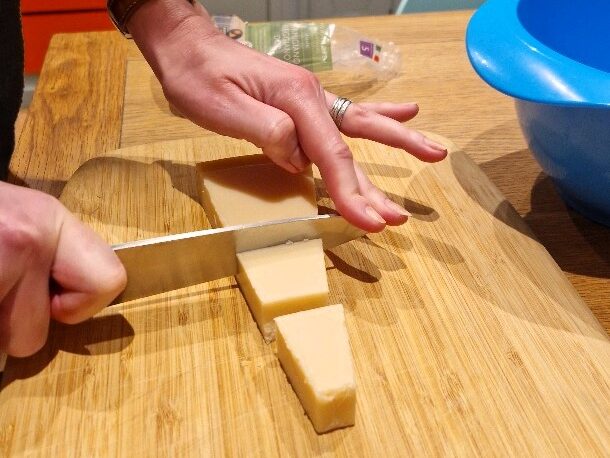
Start by grating the parmesan. You don’t need much, enough for a small handful per portion, but you do need it grated really fine.
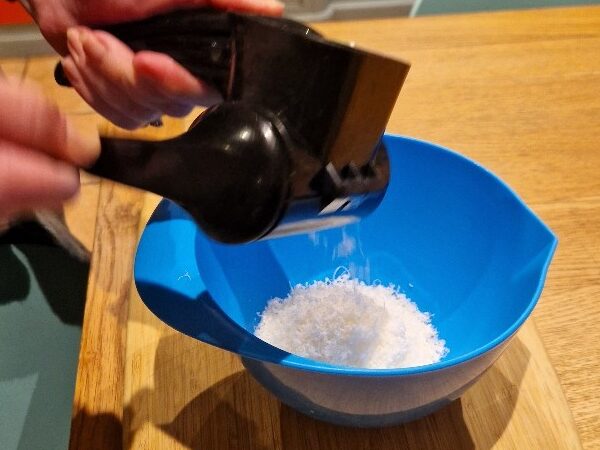
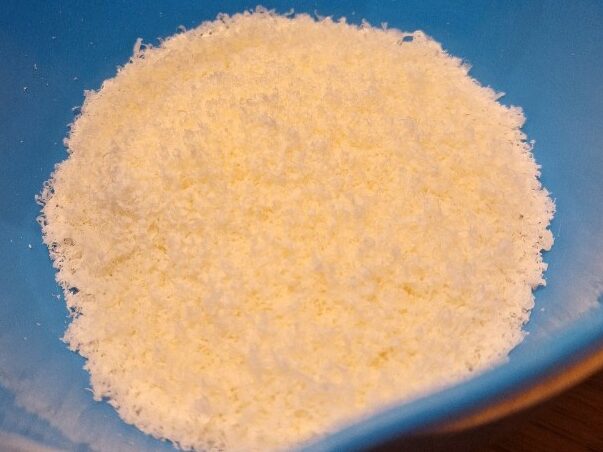
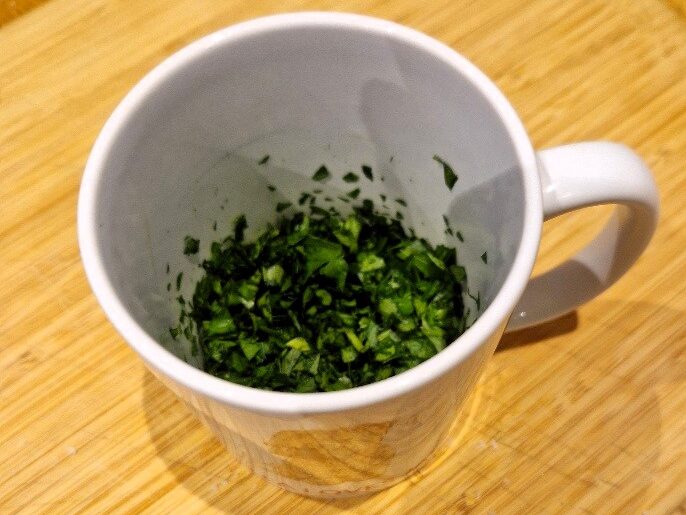
Also chop the parsley – see how to do this easily in our Tip. This is only a garnish, so you only need a very little.
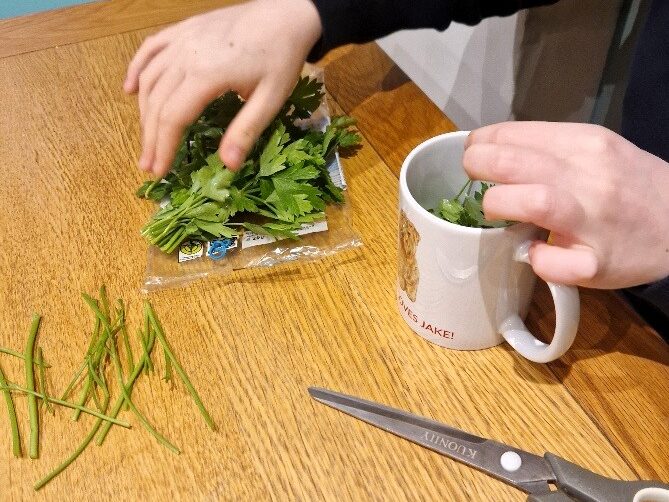
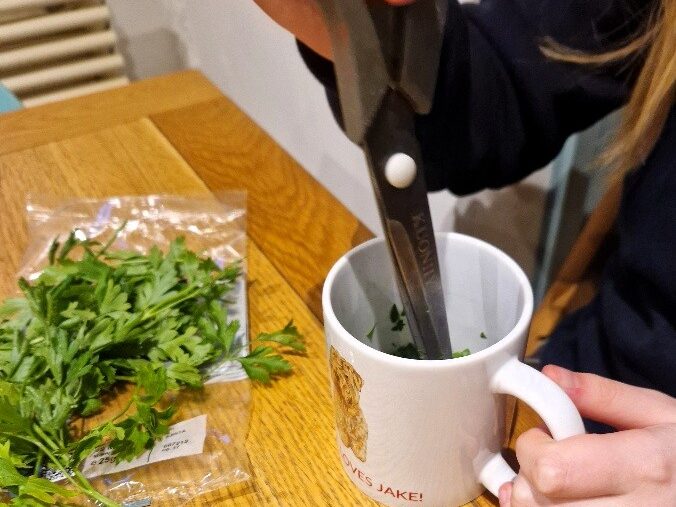
Next, get the kettle on to boil, and put the stock cubes in a large jug, ready to make up with the boiling water.
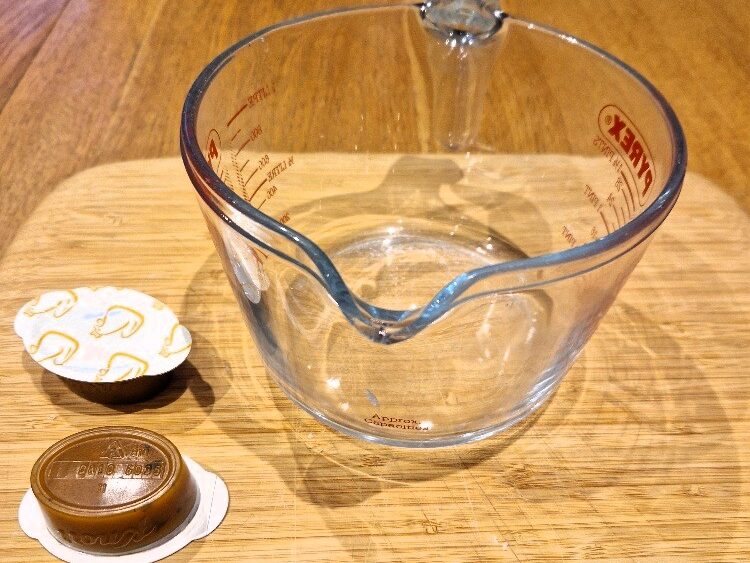
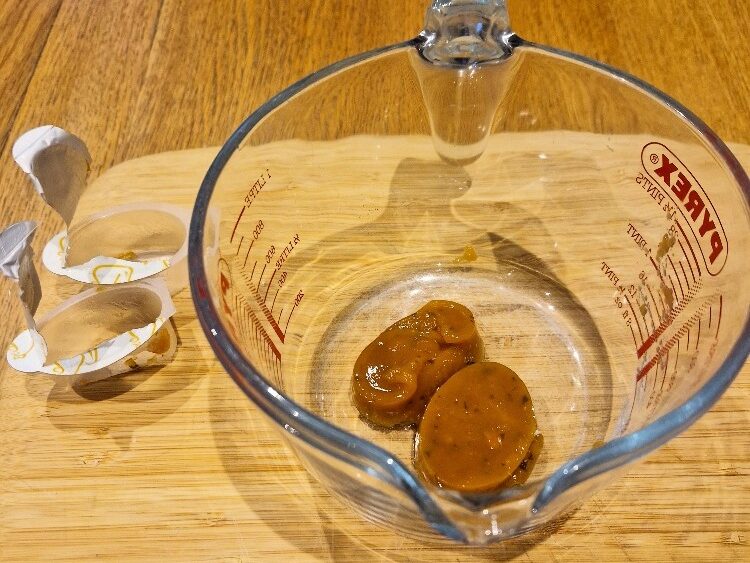
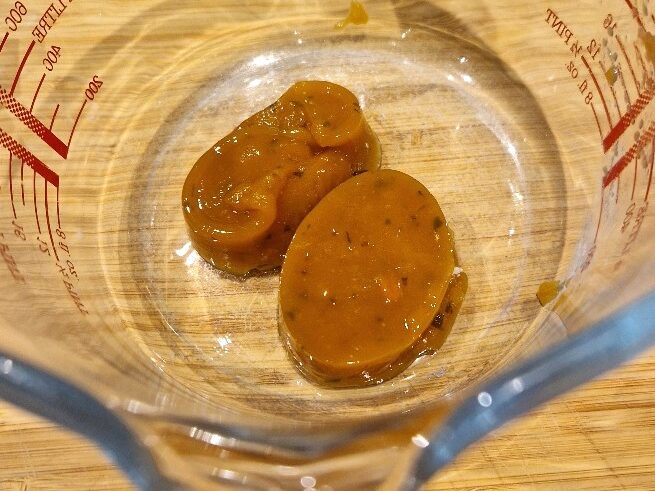
Assemble a large saucepan, ladle or large serving spoon, and bowls for serving. You are ready to cook!
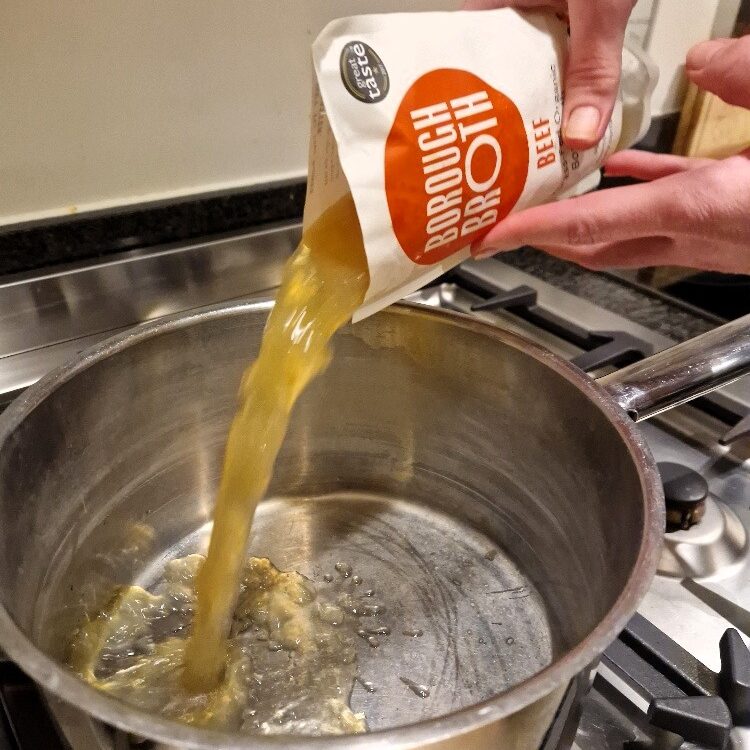
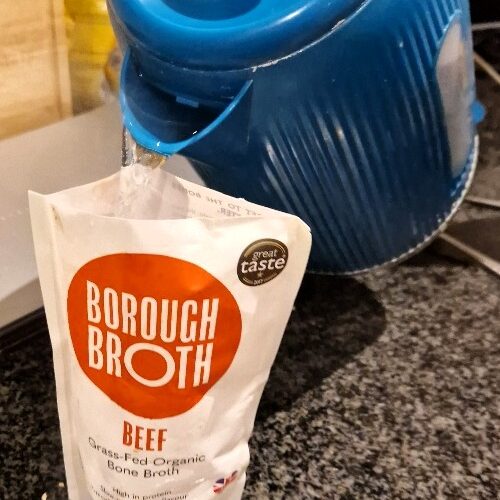
Pour the bone broth, if using, into your large saucepan, and set over a medium heat. Rinse out the pack with a little boiling water to make sure you use all of this more pricey ingredient!
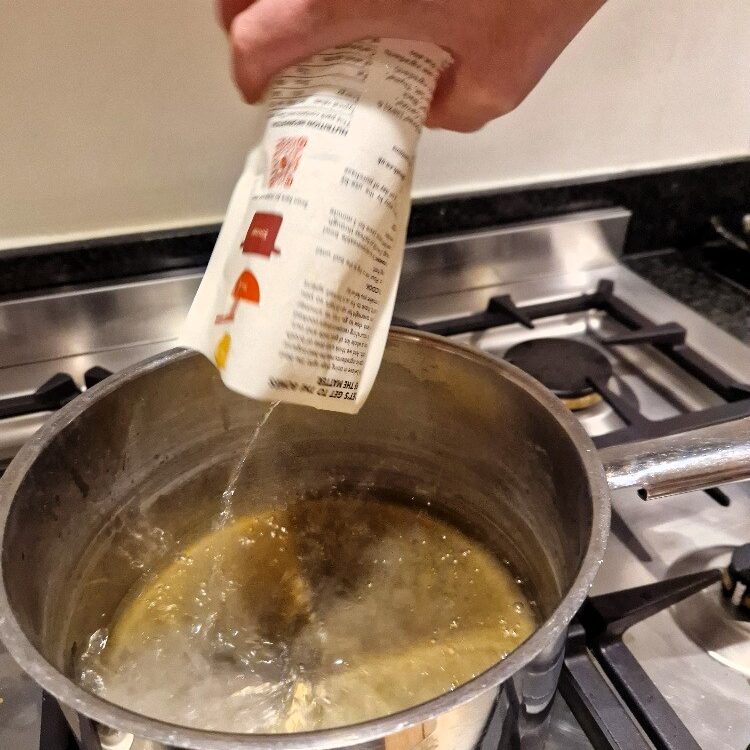
Mix the stock cubes with freshly boiled water, and stir well to make sure they fully dissolve. Add to the pan.
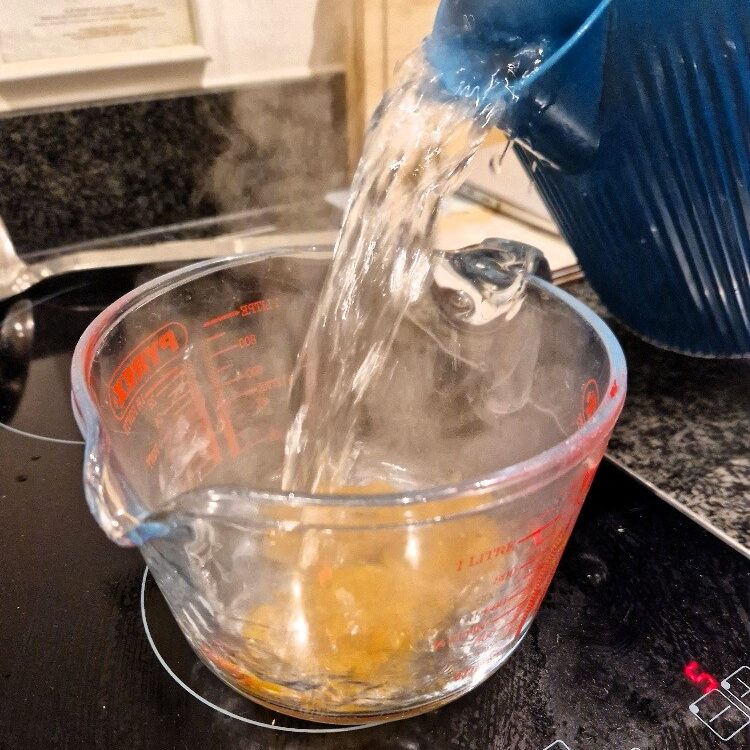
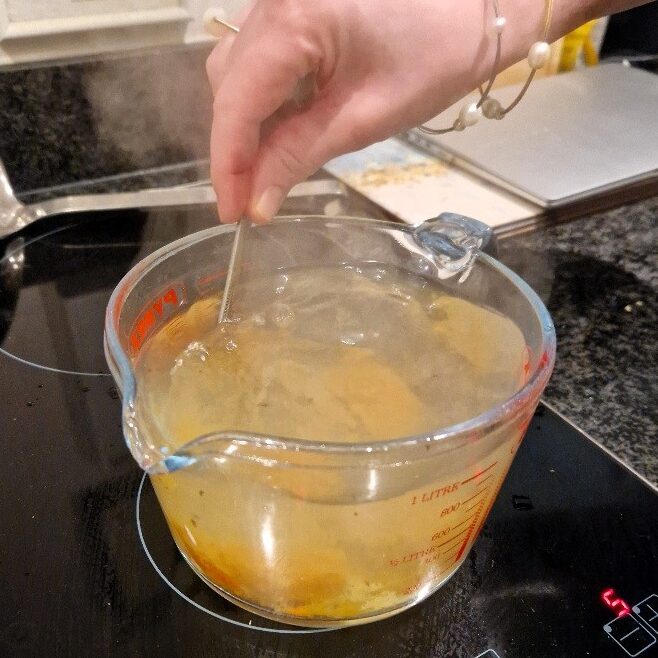
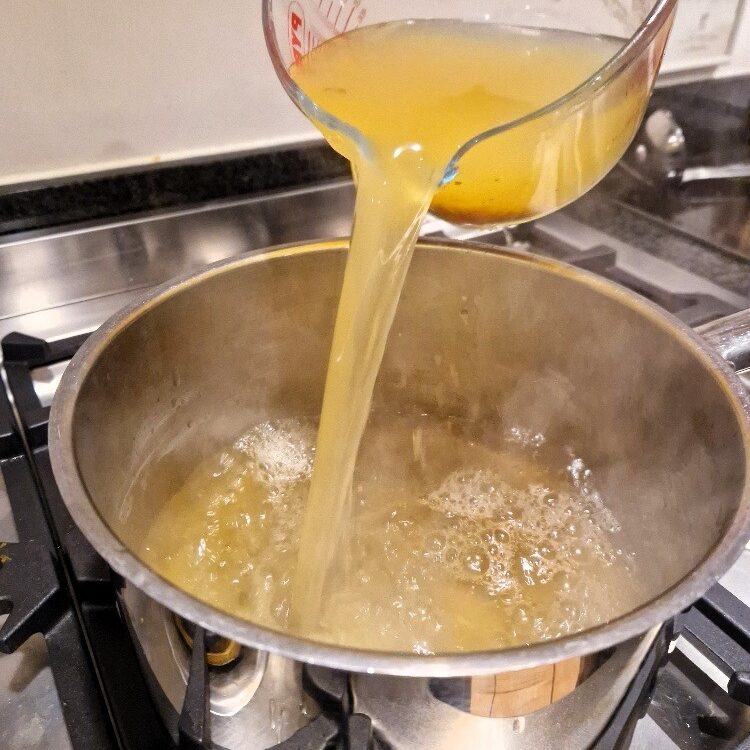
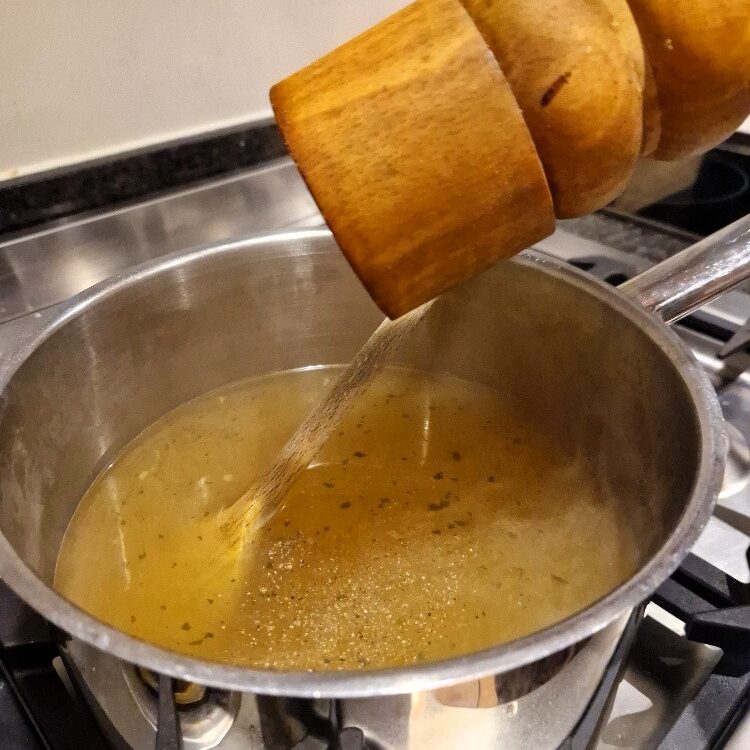
Bring to the boil, stirring, then taste. Season to taste – you shouldn’t need salt as the stock will be salty, but you may want to add some ground black pepper.
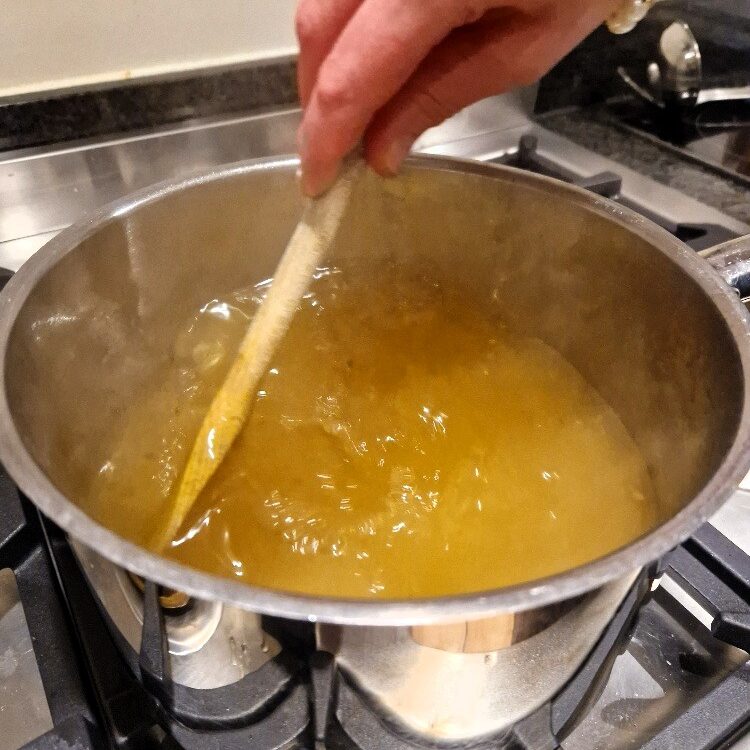
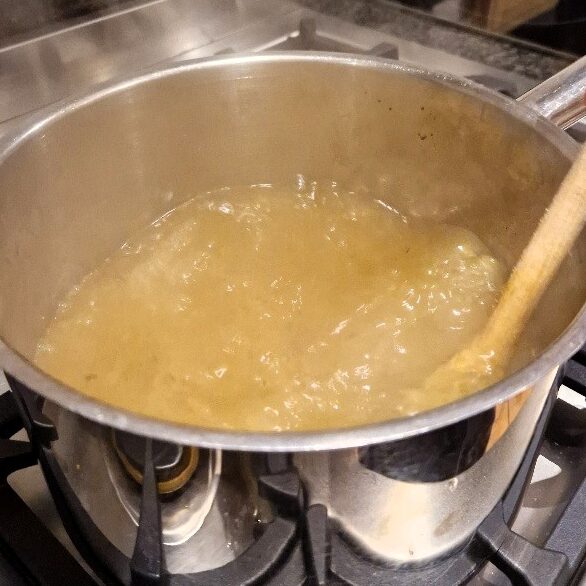
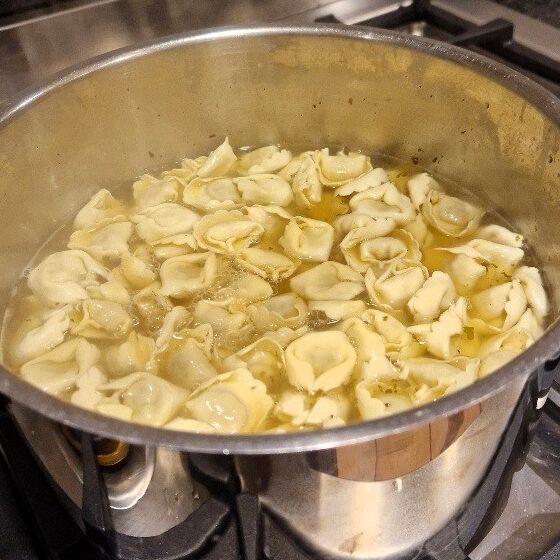
When the stock is at a good rolling boil, as in the picture above, add the pasta. Fresh pasta will cook really quickly. There will be a guide time on the packet – in our case 3 minutes – but we find it often cooks quicker, especially as you want the pasta to be at the firm end for this dish. The best way to check is to test it – we suggest you do this about a minute before the stated cooking time. It should be hot, feel silky and yield when you bite into it, but still retain some firmness.
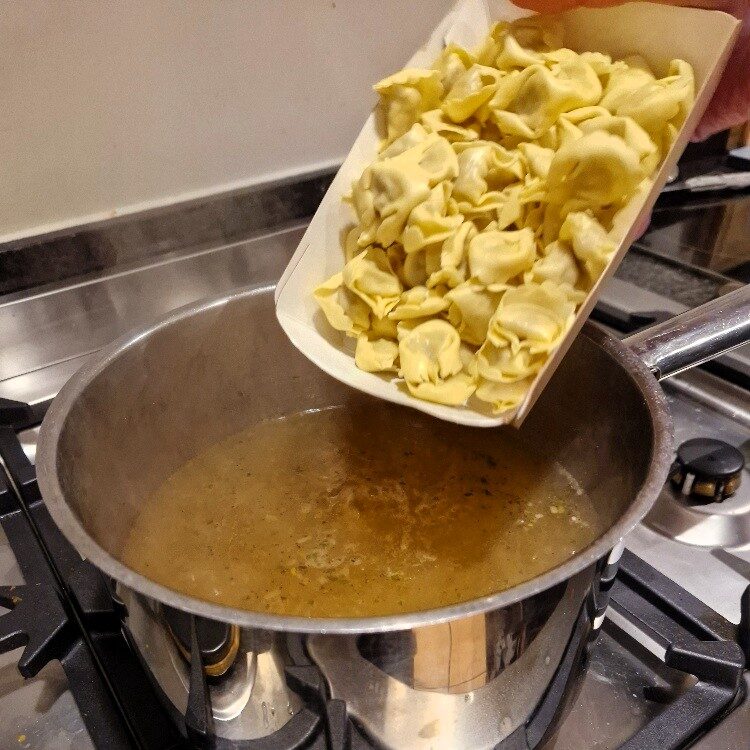
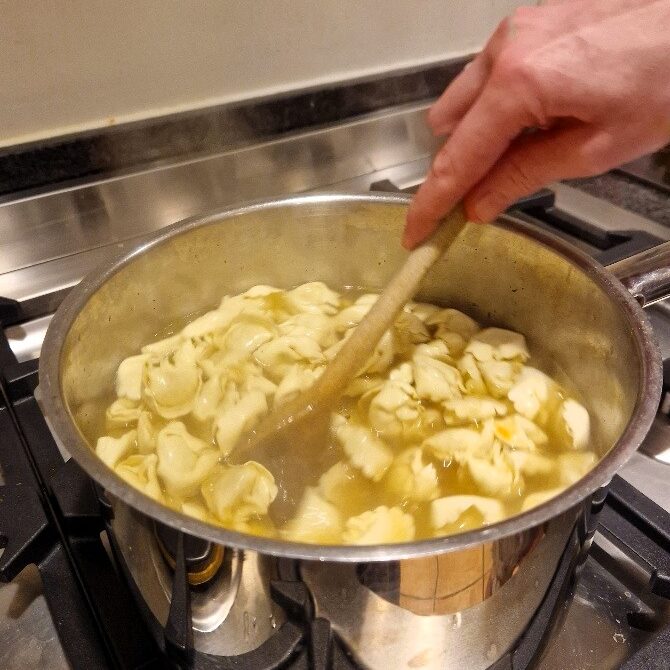
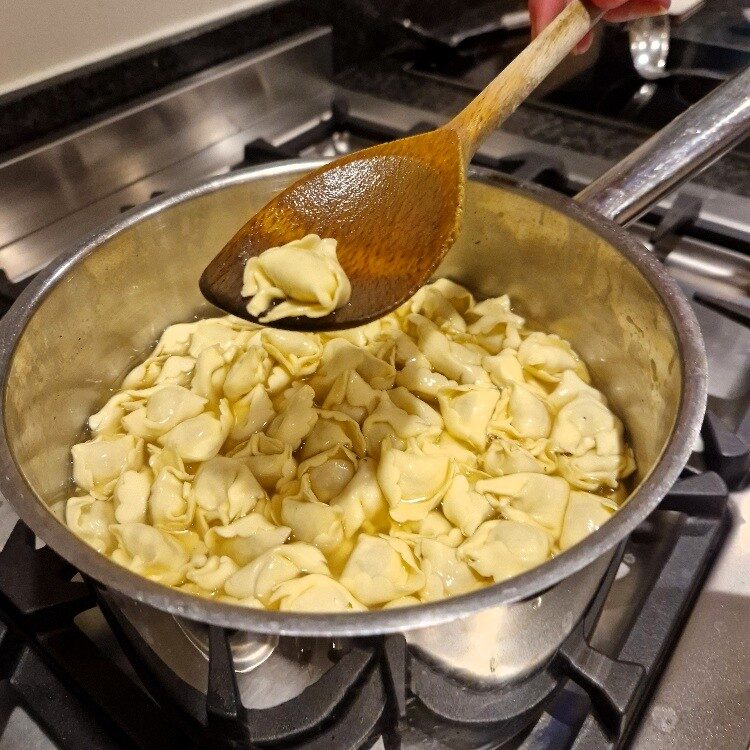
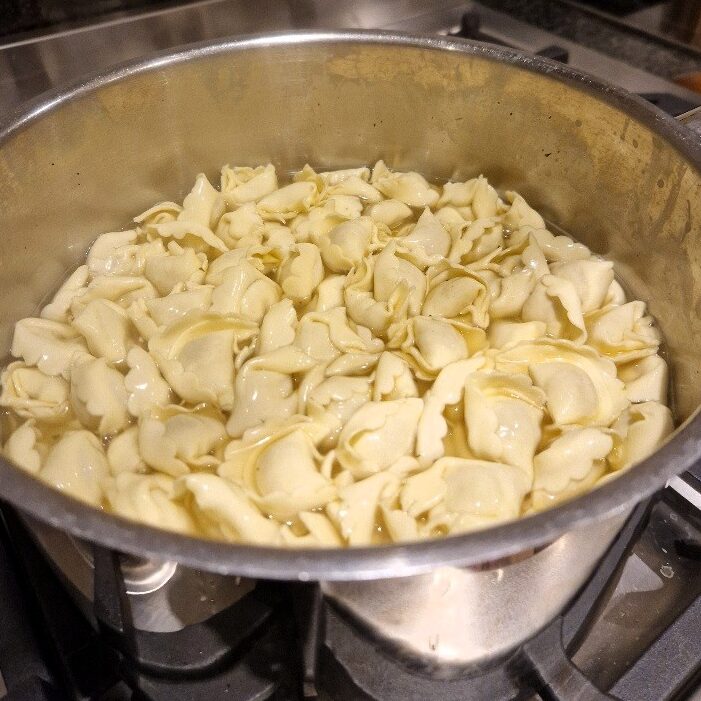
You can also tell when the pasta is done as it will float higher in the pan and look a little looser, paler and glossier than when you added it; we try to show this below. The first picture is when we added it; the second is when it is ready.

Jake sticks his nose in
Many filled pasta tips will tell you that the pasta is cooked with it floats. This is certainly true and a good guide for large stuffed pasta shapes like tortelloni and ravioli, which tend to sink first, then float when cooked. But we find that small shapes like tortellini and cappelletti float right from the start, so watch instead for them expanding slightly and floating higher as above. And for the best guide, test one!
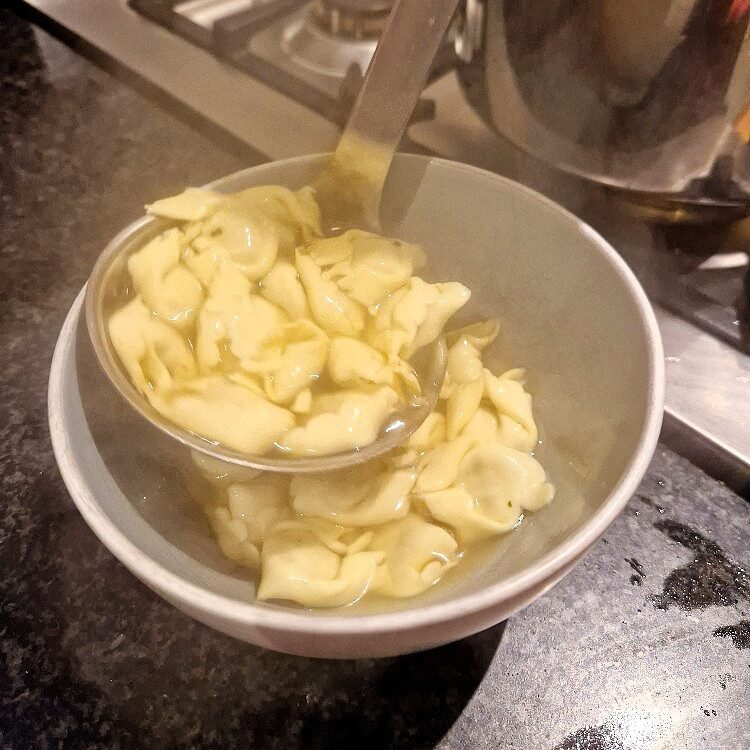
Serve immediately, making sure you get a generous portion of broth with the pasta – it should be properly soup-like.
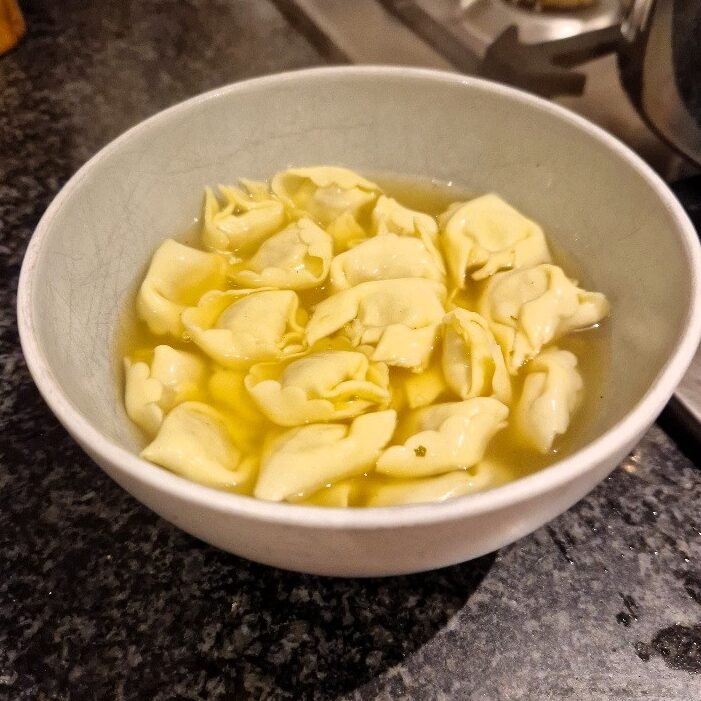
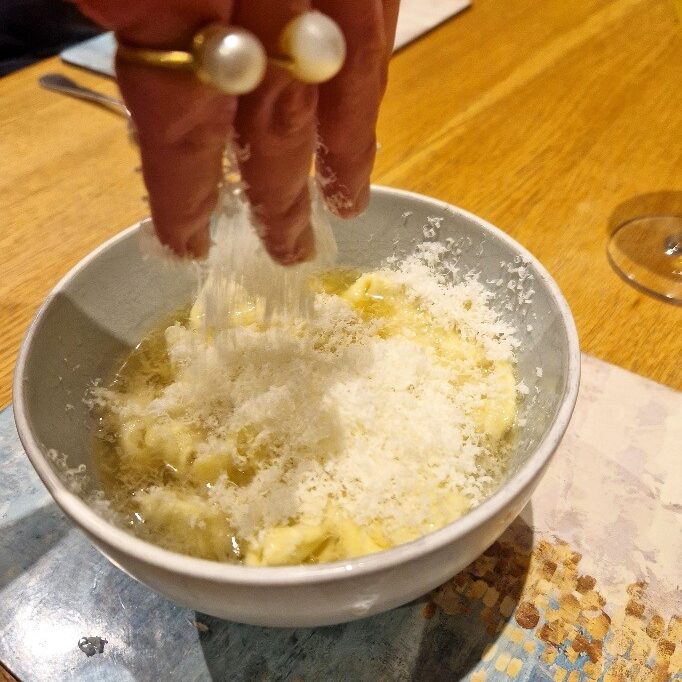
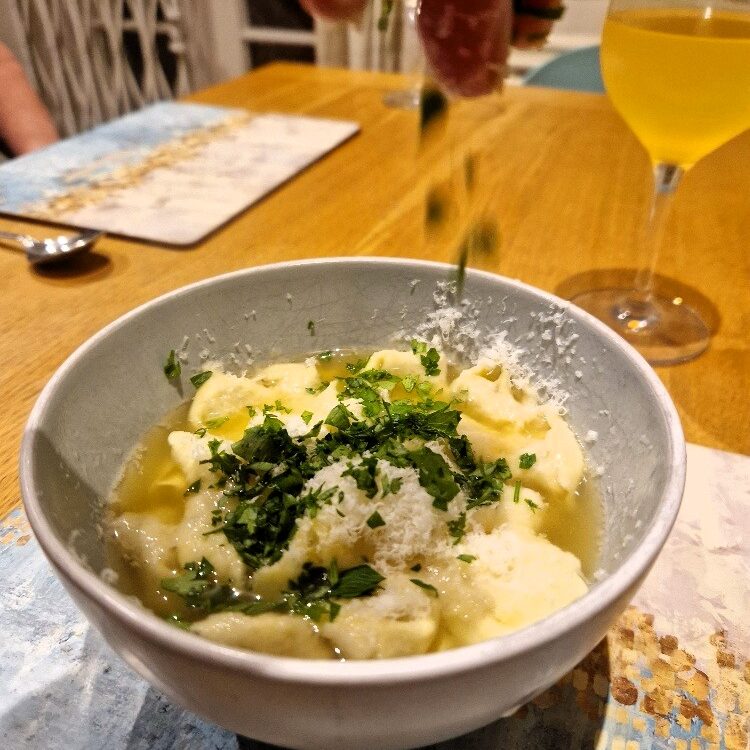
Top with a handful of grated parmesan, and a little parsley.
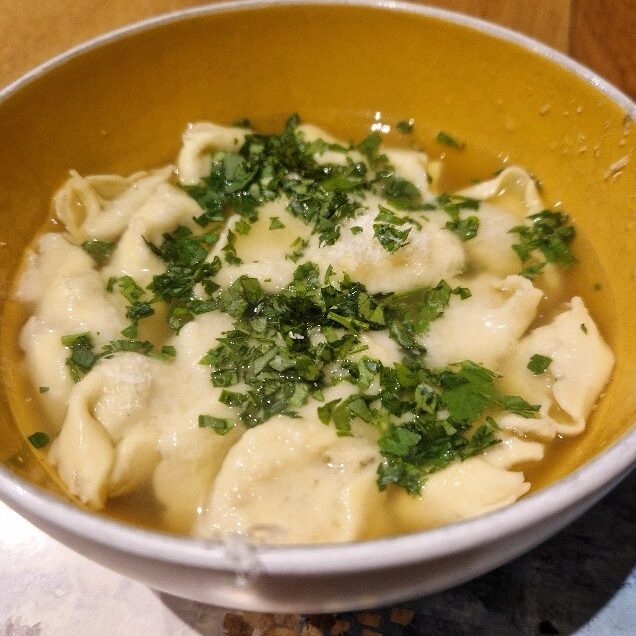
Buon appetito and enjoy!